A 12-Week Walking Routine Can Slash Resting Heart Rate by Eight Beats, Study Shows
13.06.2026 - 05:25:45 | boerse-global.de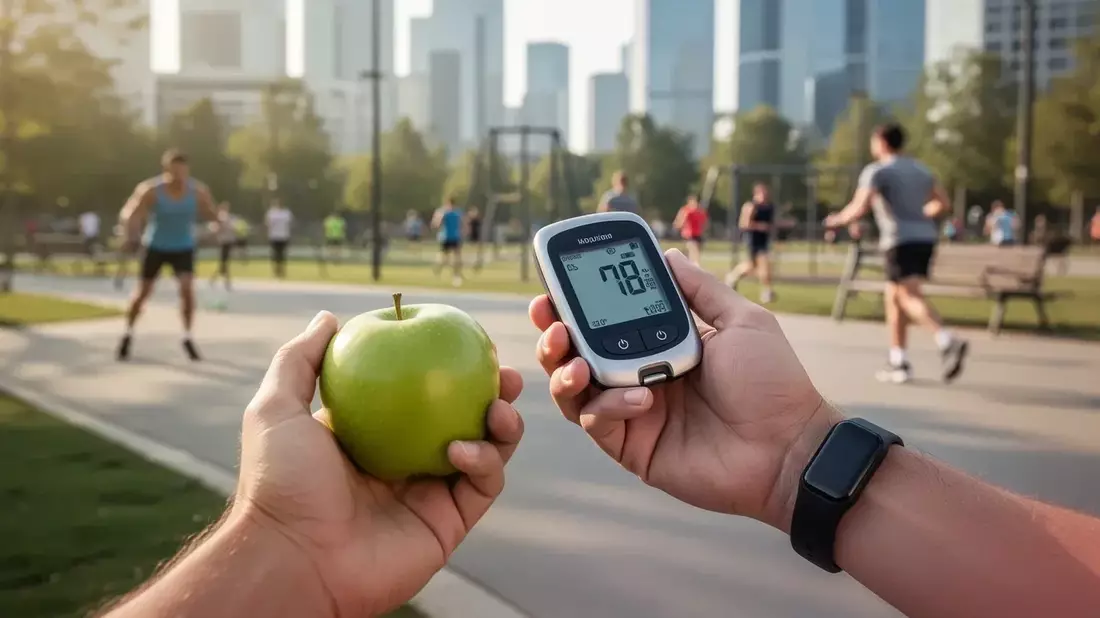
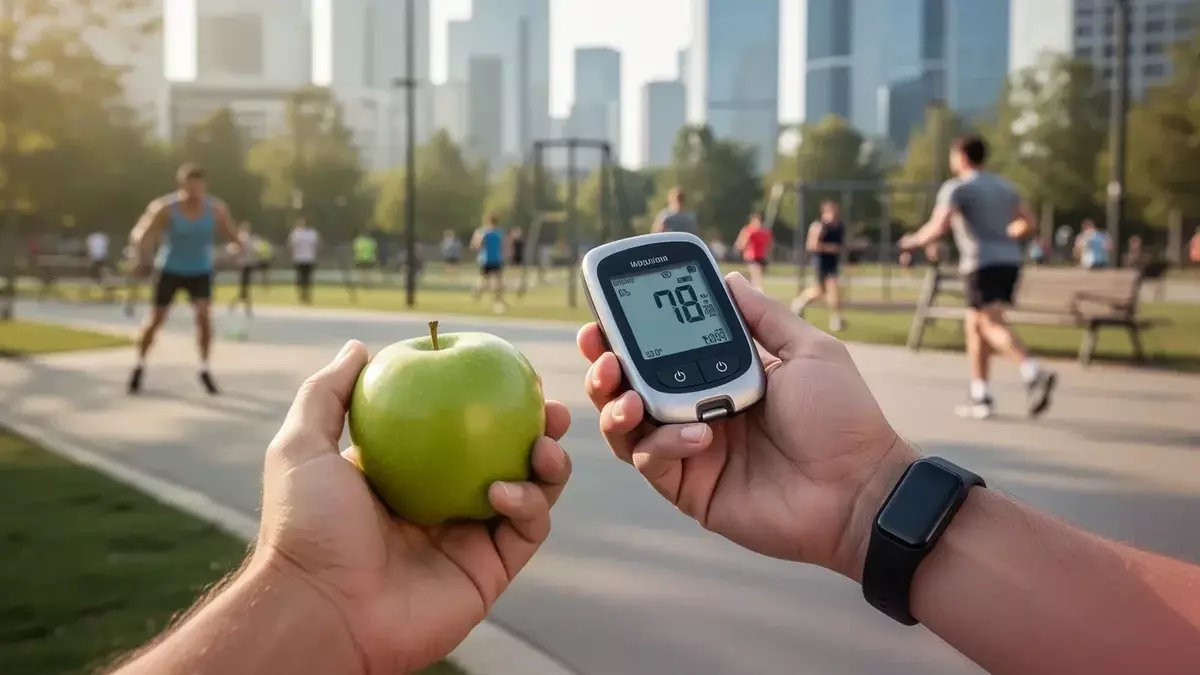
Moderate physical activity delivers measurable vascular benefits, yet most people remain unaware of just how little effort it takes to start. In Germany, where cardiovascular disease kills roughly 350,000 people each year, cardiologists are now urging a rethink of health metrics. Professor Dr. Julia Lortz, a specialist in cardiology, outlined the contrast between elite athletes and ordinary citizens during a presentation on Friday. While Cristiano Ronaldo’s resting heart rate hovers around 49 beats per minute, an untrained individual often exceeds 70.
Just 30 minutes of daily walking, however, can produce a sustained improvement. According to Lortz, a 12-week endurance program lowers resting pulse by an average of eight beats per minute. That drop improves circulation and strengthens blood-vessel walls. Even short movement sessions right after waking—such as rotations or light resistance exercises—boost cognitive performance and alertness more effectively than caffeine, she added.
Beyond walking, water offers a surprising vascular boost. Swimming master Ralf Großmann explained that hydrostatic pressure acts like an invisible compression stocking, assisting both veins and lymphatic drainage. A 2021 study found that standing in water for 30 minutes reduces leg volume more effectively than simply propping the legs up. The water’s resistance also amplifies muscle activity, further stimulating circulation.
Meanwhile, skeletal muscle tissue is emerging as an early-warning system for metabolic trouble. The NAKO health study, published in the journal Radiology, analyzed the fat content inside the paraspinal muscles of more than 11,000 participants. Even though all subjects felt healthy at the time, 16.2 percent already had high blood pressure. Nearly half—45.9 percent—showed unfavorable lipid levels, and 9.5 percent recorded abnormal blood sugar. The condition of muscle substance, researchers concluded, correlates closely with overall metabolic health.
Breathing, too, can mimic the protective effects of endurance sport. A meta-analysis in the European Journal of Preventive Cardiology from June 2026 reported that breathwork positively influences the autonomic nervous system, lowering blood pressure, resting pulse, and blood lipids to a degree comparable with traditional cardio training.
Diet remains the missing link. A May 2026 study from the NutriNet-Santé cohort, covering over 112,000 adults, linked certain preservatives—especially additives E202, E250 and E330—to a 29 percent higher risk of hypertension. Experts now advise combining additive-reduced food choices with regular movement as the most effective strategy to cut Germany’s annual 350,000 cardiovascular deaths.