A Different Kind of Dental Practice in Berlin Steglitz: Medicine, Aesthetics and Trust Under One Roof
Published on 03/26/2026 at 07:01 | Editorial responsibility: Rafael Müller, Editor-in-Chief AD HOC NEWS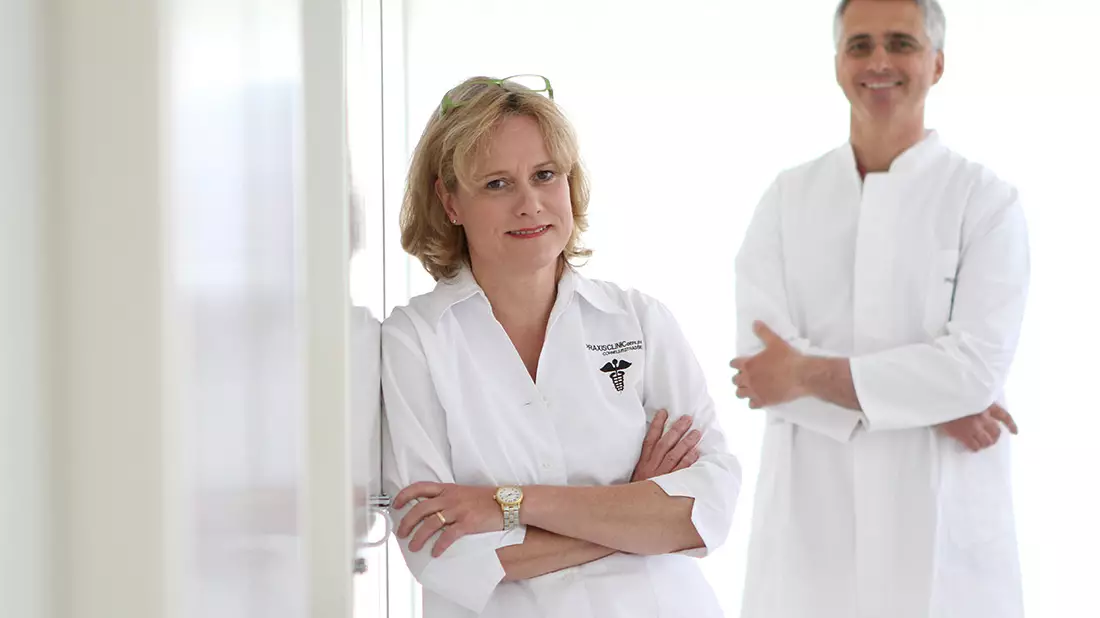
Living in a new country comes with enough uncertainties. Your health care should not be one of them. Yet many international residents in Berlin describe the same experience when it comes to dental care: endless online searches, confusing German terminology like "Zahnarzt-Praxis", worries about unexpected costs, and above all, the question of trust. Who will really listen? Who will explain treatments clearly in English? Who will respect your fears and your time?
Dental anxiety adds another layer. Perhaps you have had a painful treatment in the past, or you were rushed through a short appointment where nobody explained what was happening. Maybe you have avoided the dentist for years and now feel ashamed of the condition of your teeth. For expats in particular, the idea of navigating a new health system, insurance rules and unfamiliar treatment philosophies can be overwhelming.
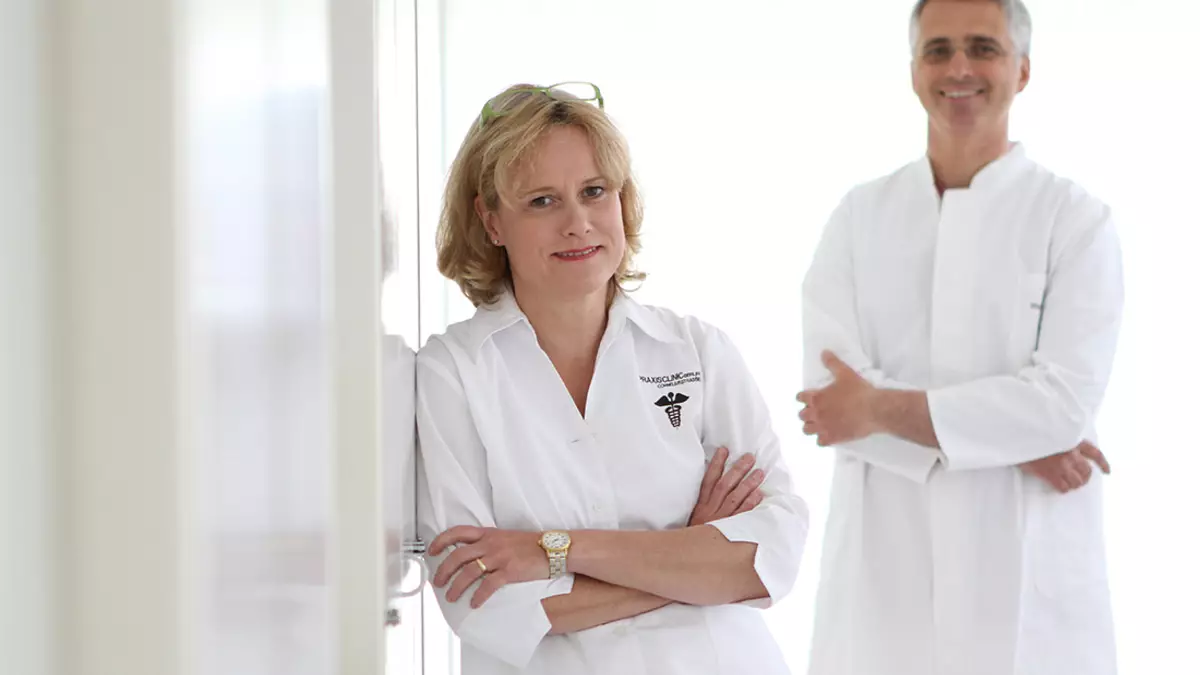
In this context, the Dental Practice in Berlin Steglitz run by Dr. Djamchidi and Annette Jannack offers something genuinely rare: a medically profound, human-centered approach where high-end Implantology, Oral Surgery, Tooth Preservation and Aesthetic Dentistry are combined with a strong focus on communication and patient comfort. The practice does not just treat teeth; it treats people with complex life stories, varied cultural backgrounds and individual fears.
This Zahnarzt-Praxis is located in a characteristic Altbau building in Berlin-Steglitz, close to Schloßstraße and the green residential areas stretching toward Zehlendorf and Berlin Southwest. From the outside, it resembles the classic Berlin experience many people love: high ceilings, old staircases, original architectural details. Inside, you find modern treatment rooms, gentle technology and a team that is used to working with both local residents and English-speaking patients from all over the world.
For many expats, one of the strongest reasons to choose this Dental Practice in Berlin Steglitz is the unique qualification of its founder: Dr. Djamchidi holds a double approbation as both physician (medical doctor with ENT specialization) and dentist. This rare combination means your mouth is not treated as an isolated area, but as part of a complex system of airways, sinuses and general health. When Implantology or Oral Surgery is planned, this broader medical perspective can be crucial for safety, comfort and long-term success.
At the same time, the practice philosophy is clear: save the natural tooth whenever possible. This is where endodontics expert Annette Jannack comes in. With a focus on microscopic Root Canal Treatment and minimally invasive Tooth Preservation, she offers a realistic alternative to premature extractions and implants. Together, they represent the principle "Zahnerhalt vor Zahnersatz" – preserving what nature gave you before considering replacement.
To understand why a double degree in medicine and dentistry matters so much in Implantology, it helps to look briefly at the anatomy above your back teeth in the upper jaw. Behind your cheeks, above the roots of your molars, lies a hollow, air-filled cavity called the maxillary sinus. The thin bony wall between the tooth roots and this sinus is called the maxillary sinus floor. In many people, especially after tooth loss and natural bone resorption with age, this floor can lie very close to where a dental implant would be placed.
When an implant is planned in this region, your dentist has to navigate a delicate three-dimensional space. Too little bone height means an implant may not hold firmly enough. Penetrating the sinus cavity can lead to inflammation, chronic sinusitis or other complications. This is where the ENT background of a doctor like Dr. Djamchidi becomes highly relevant. As an ENT specialist, he is deeply familiar with the anatomy and function of the sinus system, the nasal passages and the upper airways. He understands how sinus pathology, allergies, mucosal swelling or previous surgeries may influence the feasibility and safety of an implant.
In practical terms, this means that before placing implants, he can assess not only your dental X-rays but also the condition of your sinus and nasal anatomy in a medically comprehensive way. If a bone augmentation procedure such as a sinus lift is required to gently elevate the maxillary sinus floor and add bone material, his ENT experience adds an extra layer of security. A sinus lift is a sophisticated Oral Surgery procedure designed to create enough vertical bone height for stable implant placement. It involves carefully lifting the sinus membrane and inserting bone substitute or your own bone in the created space. Understanding the exact thickness and elasticity of the membrane, the drainage pathways of the sinus and the risks of perforation is something ENT specialists train for intensively.
When the same professional is both an ENT physician and a dentist experienced in Implantology, you benefit from a unified view. There is no gap between medical and dental opinions, no communication loss between different specialists. Indications, contraindications and alternative treatment options can be evaluated holistically. For example, if you suffer from chronic sinus problems, recurrent infections or nasal breathing difficulties, these factors can be discussed together with implant planning. This integrated approach reduces the risk of complications and supports better long-term outcomes.
Another important aspect of double approbation is the management of general health risks. Many patients today take medications such as blood thinners, bone metabolism drugs or immunosuppressants. These can significantly influence wound healing, bleeding tendency and the stability of bone around an implant. As a physician, Dr. Djamchidi is trained to interpret complex medication plans, coordinate with your general practitioner or specialist, and adapt Oral Surgery procedures accordingly. This is particularly reassuring for older patients, those with cardiovascular disease, diabetes, osteoporosis or autoimmune disorders, and for expats who may have medical histories from several countries.
Biocompatibility is another area where the dual medical-dental view is valuable. Implant materials, bone substitutes, local anesthetics and restorative materials all interact with your body. Some patients have allergies, sensitivities or autoimmune conditions that require careful material selection. A doctor who understands both systemic immunology and the specific properties of dental materials can better tailor your treatment to minimize the risk of adverse reactions.
At the same time, the medical perspective does not replace the artistic side of dentistry. A successful implant should not only integrate in the bone; it should look and function like a natural tooth. The bite must be balanced, the gums should be healthy, and the smile should match your facial features. In the Dental Practice in Berlin Steglitz, Implantology therefore goes hand in hand with aesthetic planning. The goal is not a single tooth in isolation, but a harmonious, stable chewing system that fits your lifestyle.
While implants and Oral Surgery attract much attention, the philosophy of this Zahnarzt-Praxis is actually conservative: keep the natural tooth if possible. This is where the expertise of Annette Jannack is central. She focuses on endodontics – the field of dentistry that deals with the inside of the tooth, particularly the root canal system where the nerve and blood vessels lie. When bacteria invade this inner space through deep caries, cracks or trauma, the result is often pain, swelling and risk of tooth loss. Traditional Root Canal Treatment has a reputation among patients as something to fear. Old stories of long, painful sessions and uncertain results still circulate, especially among those who grew up in countries with less advanced dental technology.
Modern endodontics, as practiced by specialists like Annette Jannack, is very different. It aims to save teeth that would otherwise be extracted, using microscopic dentistry, precise instruments and biocompatible filling materials. The process begins with a detailed diagnosis. High-resolution imaging helps visualize the roots, the curvature of the canals and any hidden infections at the tip of the root. Under local anesthesia, the tooth is opened from the top, and the infected or inflamed nerve tissue is removed from the canals. Using an operating microscope allows the dentist to see the tiny structures inside the tooth with great clarity, reducing the risk of missing small side canals or residual tissue that could cause reinfection.
Once the canals are cleaned and shaped, they are disinfected with special solutions and sometimes with sonic or ultrasonic activation to reach even microscopic areas. After drying the canals, the empty spaces are filled three-dimensionally with a biocompatible material that seals them against bacterial invasion. Finally, the tooth is restored with a filling or crown to protect it from fracture. When done with this high level of care, Root Canal Treatment can give a tooth many more years of function and comfort.
The guiding principle "Saving the tooth before replacing it" is particularly important for younger patients and for expats who want to avoid unnecessary costs and complex procedures. Every natural tooth you keep helps maintain the structure of your jawbone and the stability of your bite. Tooth extraction sometimes seems like the easier quick fix, but it often leads to a cascade of further treatments: bone loss, shifting neighboring teeth, bite problems and eventually the need for prosthetics or implants. By investing in high-quality endodontics, you often avoid or at least postpone these future challenges.
At a human level, working with a dentist like Annette Jannack means having someone on your side who is passionate about preservation. She takes time to explain each phase of treatment, often in clear English, and to show radiographs or images that make the invisible processes inside your tooth understandable. This transparency is especially appreciated by international patients who may have different expectations from their home countries. Being involved in the decision process – for example, weighing the pros and cons of Root Canal Treatment versus extraction and Implantology – helps reduce fear and increases satisfaction with the final result.
For many people, stepping into any dental practice triggers tension. The smell, the sound of instruments, memories of past experiences – all of this can activate a flight response. The team in this Dental Practice in Berlin Steglitz is very aware of this and has built an anxiety-sensitive approach. From the first phone call or email, you are encouraged to communicate openly about your fears. You are not judged for avoiding treatment for years; instead, the team recognizes this as a common and understandable reaction.
Several strategies are used to create an anxiety-free or at least anxiety-reduced environment. First, the atmosphere of the waiting and treatment rooms aims to be calm rather than clinical. Friendly, unhurried communication, clear explanations of each step and checking in frequently about your comfort level help you feel in control. For some patients, especially those with a strong gag reflex, traumatic memories or generalized Dental Anxiety, pharmacological options are discussed. These can include gentle sedation methods, sometimes referred to as twilight sleep, where you remain responsive but deeply relaxed and with reduced memory of the procedure.
Twilight sleep can be particularly helpful for longer or more invasive procedures, such as complex Oral Surgery, multiple extractions or implant placement. Before deciding on this option, your general health, medical history and medications are carefully assessed, again benefiting from the physician-level perspective in the practice. For patients who prefer to avoid stronger medications, other tools are available: step-by-step desensitization, breaks during treatment, distraction techniques, and where appropriate, complementary approaches such as homeopathic support.
An English-speaking dentist is almost a necessity for many expats in Berlin, especially when discussing topics like sedation, risk, consent and alternatives. The team is used to explaining German medical terms and insurance processes in accessible English. They can help you understand what is covered by statutory insurance, what counts as private services, and how to plan treatment in stages that suit both your health and your budget.
The location of the practice is another element of its character. Situated in a classic Altbau in Berlin-Steglitz, not far from Schloßstraße, it reflects the charm of older Berlin architecture: ornate facades, wide staircases and a sense of history as you enter. This does, however, come with a clear practical point that is important to mention honestly: the building is not barrier-free. There is no elevator, and access to the treatment rooms requires climbing stairs. For patients with significant mobility limitations, this can be a real obstacle and needs to be discussed in advance so that realistic solutions or alternative care options can be explored.
For many other patients, the Altbau structure adds to the positive experience. The high ceilings and large windows create a bright, airy feeling that contrasts with the closed, purely functional design of many newer medical buildings. The location in Berlin Southwest also means you are well connected by public transport, and there is car access with parking possibilities in the surrounding streets. For residents of Steglitz, Zehlendorf and neighboring districts, the practice is within convenient reach, making regular Prophylaxis appointments – such as professional tooth cleaning and check-ups – easier to maintain.
Because the building is part of the historical city fabric, the team has consciously balanced preservation of original elements with modern equipment. This mirrors their medical philosophy: respect for what already exists, combined with the latest techniques where they are truly beneficial.
To help you imagine what it feels like to visit this Zahnarzt-Praxis for the first time, consider a typical patient journey. Perhaps you are an international professional who has recently moved to Berlin for work. You have been postponing a dental check-up, but a mild sensitivity in one tooth and a broken filling finally push you to act. After searching online for a "Dental Practice in Berlin Steglitz" that offers both English communication and advanced treatment options, you find the practice of Dr. Djamchidi and Annette Jannack.
Your first contact is via email, where you briefly describe your situation and your wish for an English-speaking dentist who understands Dental Anxiety. The response is timely and reassuring. You are offered an appointment for a comprehensive first consultation and are asked to bring any previous X-rays or reports you may have. You are also informed about the staircase in the Altbau, so you can plan accordingly.
On the day of the appointment, you arrive a few minutes early. The entrance and staircase feel distinctly Berlin – slightly worn steps, high handrails, the sense of many decades of stories having passed through. In the practice, you are greeted by name. Before anything else, you fill out an anamnesis form, either on paper or digitally, detailing your medical history, medications, allergies and previous dental experiences. If German is difficult for you, the team helps translate key terms into English.
During the first consultation, you meet either Dr. Djamchidi or Annette Jannack, depending on your main concern. You sit in the treatment chair, but the first part of the appointment feels more like a conversation than a procedure. You are asked about your expectations, fears and priorities. Do you want mainly functional solutions, or are you also interested in aesthetics, such as harmonizing the shape or color of your teeth? Are you open to implants in the future, or do you prefer to preserve and restore existing teeth as far as possible?
A clinical examination follows, including inspection of teeth, gums, oral mucosa and bite. If necessary, X-rays are taken to assess roots, bone levels and, in the upper jaw, the relationship between tooth roots and the maxillary sinus floor. Because of the medical background, signs of systemic issues that can manifest in the mouth may also be noted – for example, indicators of reflux, airway obstructions or medication-related changes in oral tissues.
After the examination, the dentist explains the findings in clear, non-technical language. If you have a tooth that needs Root Canal Treatment, this is described step by step: why the nerve is inflamed, what happens if the tooth is left untreated, and what the realistic prognosis is after modern endodontic therapy. Images from the microscope or radiographs may be shown on a screen so you can literally see what is being discussed. If an implant could be an option for a missing tooth, you receive a preliminary explanation of Implantology, the condition of your bone, and whether procedures such as a sinus lift might be relevant.
Together, you then develop a treatment plan. This can be phased over time, starting with the most urgent issues. You receive information about costs, including which parts are usually covered by statutory or private insurance in Germany and which are private services. The practice understands that expats often learn the German system step by step and supports you in this process rather than overwhelming you with jargon.
During the treatments that follow, you experience the "anxiety-free" concept in practice. Before each session, the planned steps are summarized again, and you are reminded that you can raise your hand at any time if you need a break. If you have opted for sedation or twilight sleep for more complex Oral Surgery, these are performed under careful monitoring, and you are given clear instructions for aftercare. For root canal sessions with Annette Jannack, you notice the difference that microscopic dentistry makes: longer but calmer appointments, with a high level of precision that you can sense even if you cannot see inside the tooth.
Over time, as acute problems are resolved, the focus shifts to Prophylaxis and long-term Tooth Preservation. Regular professional cleanings help maintain gum health, and small issues are caught early. You develop a relationship of trust with the team, so that even if new problems arise, you no longer delay seeking help out of fear.
What ultimately sets this Dental Practice in Berlin Steglitz apart is the combination of depth and humanity. The double approbation of Dr. Djamchidi brings a level of medical insight to Implantology and Oral Surgery that many patients did not know was possible in a dental setting. Complex areas like the maxillary sinus, system-wide medication effects and cross-links between ENT conditions and oral health are handled with confidence and care. At the same time, the commitment of Annette Jannack to high-end endodontics shows that this is not an "implant-first" clinic. Instead, it is a practice where Tooth Preservation, minimally invasive strategies and biocompatibility are respected as central values.
For expats and locals alike, the practice offers a rare mixture: clear English communication, a non-judgmental approach to Dental Anxiety, individualized treatment planning and a strong preventive focus. The historic Altbau setting in Steglitz, with its characteristic staircase and bright rooms, adds a sense of place that many patients find comforting – a reminder that modern medicine can live harmoniously within the lived history of Berlin.
Whether you are dealing with a painful tooth that may require Root Canal Treatment, considering implants in a region close to the sinus, or simply looking for a reliable, English-speaking dentist to accompany you over the next years, this Zahnarzt-Praxis in Berlin-Steglitz is a strong candidate. Its blend of medical competence, aesthetics and empathy makes it a trusted point of reference in Berlin Southwest, from Schloßstraße to Zehlendorf and beyond.
If you are ready to move from uncertainty to clarity, from avoidance to active care of your oral health, reaching out for a consultation can be the first simple, concrete step. The team is used to meeting patients where they are – whether you arrive with a folder of previous medical records or with nothing but a vague toothache and a lot of questions. In both cases, you will find professionals prepared to listen carefully, explain patiently and treat you as a whole person, not just a set of teeth.
Disclaimer regarding our articles: No investment advice, no buy or sell recommendation. Information on prices, companies, and markets is provided without guarantee; changes are possible at any time. Stock market transactions can lead to substantial losses. Our articles are created and reviewed in whole or in part automatically with the support of AI.