A Trusted Dental Practice in Berlin Steglitz for Expats and Locals
Published on 05/28/2026 at 07:01 | Editorial responsibility: Rafael Müller, Editor-in-Chief AD HOC NEWS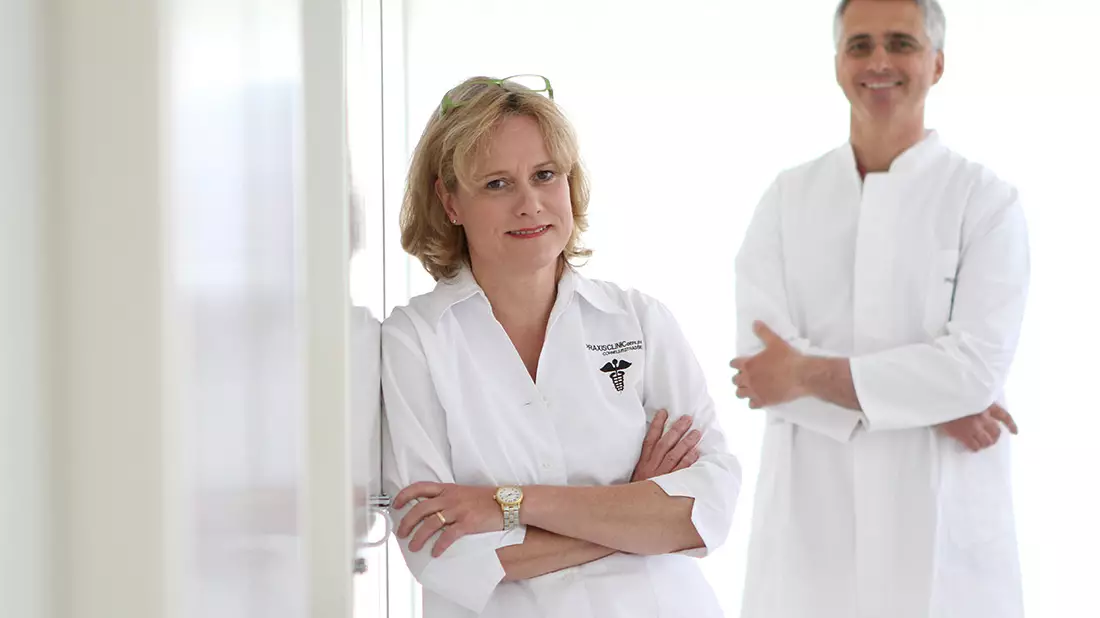
Moving to a new city is exciting, but it also comes with a long to-do list: registering your address, understanding health insurance, finding the right doctors and, at some point, facing that often-delayed task of choosing a dentist you can truly trust. For many expats in Berlin, especially those who have had difficult experiences in the dentist chair before, the idea of searching for a new dental practice can be emotionally loaded. There is the fear of pain, the worry about high bills, and, very often, the language barrier. Even if you speak some German, it can feel uncomfortable to discuss complex topics like oral surgery, implants, or sedation when you are not sure you understand every single word.
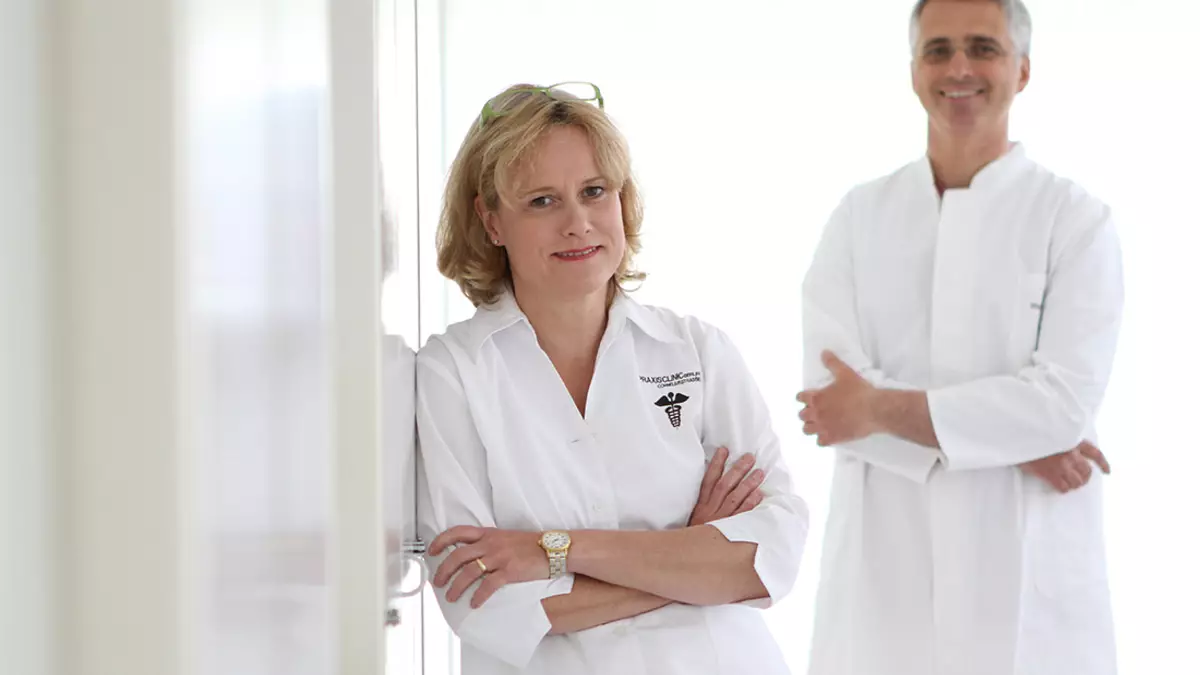
In Berlin’s southwest, in the district of Steglitz, Zahnarzt-Praxis Berlin Steglitz (Dental Practice Berlin Steglitz – Dr. Djamchidi & A. Jannack) has become a point of reference for both local patients and international residents who are looking for more than a quick filling or a rushed check-up. This practice offers a rare combination of medical depth and personal warmth: a physician and ENT specialist who is also a fully qualified dentist, a dentist with advanced expertise in endodontics and aesthetics, and a team that understands how stressful it can be to navigate a foreign healthcare system.
Here, the focus is not just on treating teeth, but on understanding the person attached to them. Whether you are anxious, confused by German bureaucracy, or simply used to a different style of care from your home country, this Dental Practice in Berlin Steglitz aims to bridge that gap with clear explanations, an English-speaking approach, and genuinely individualized treatment plans.
To understand why this particular practice stands out, it helps to look at the two main pillars of its concept: the double medical and dental qualification of Dr. Djamchidi, and the strong focus on tooth preservation and endodontics led by dentist Annette Jannack.
In most situations, when you go to a dental practice, you are treated by a professional who holds a dental degree (often abbreviated as DDS, DMD, or in Germany, Zahnmedizinische Approbation). That training is extensive and rigorous, but it is clearly focused on the teeth, gums, and supporting structures. In contrast, a medical doctor (MD) or physician usually focuses on the body as a whole, learning to understand complex interactions between different organ systems, internal medicine, ENT structures, and general surgery. Having both qualifications in one person is unusual and particularly valuable in fields where oral health and general health overlap.
At Zahnarzt-Praxis Berlin Steglitz, Dr. Djamchidi holds a so-called “double Approbation”: he is both a fully trained physician and ENT specialist, and a fully licensed dentist. This dual background becomes especially important in implantology and oral surgery, where interventions involve the jawbone, the maxillary sinus floor, the nasal cavity, and sometimes even the airway. When placing dental implants in the upper jaw, for example, the roots of the teeth are often close to the maxillary sinus. In such cases, an implantologist must work very close to this delicate anatomical region, and for some patients, a sinus lift is required to create enough bone height for stable implant placement.
A sinus lift is a surgical technique in which the floor of the maxillary sinus is carefully elevated and bone material is inserted to build up the bone volume. While experienced dentists can certainly perform this procedure safely, having the additional expertise of an ENT specialist means that the anatomy of the sinus, the nasal passages, and surrounding structures is understood on a much deeper level. A physician-ENT-dentist such as Dr. Djamchidi can evaluate the sinus not only from a dental perspective, but also from the viewpoint of ear, nose, and throat medicine.
This matters for your safety: any pre-existing sinus issues, such as chronic sinusitis, nasal polyps, or structural variations like a deviated septum, can increase the risk of complications during implantology. Because of his medical training, Dr. Djamchidi is able to recognize these conditions early, interpret imaging more holistically, and coordinate treatment steps so that both dental and ENT aspects are taken into account. This can involve adapting the surgical plan, selecting minimally invasive techniques, or timing surgery so that sinus health is optimized before intervention.
Another advantage of the double qualification is the ability to consider interactions between medications, systemic health conditions, and oral surgery. Patients with cardiovascular disease, diabetes, autoimmune conditions, or blood-thinning medication often need specially tailored treatment. A doctor who is also a dentist can realistically assess how stable your general health is, which pre-operative tests might be necessary, and what kind of sedation or local anesthesia is safest for you. Instead of sending you back and forth between different specialists, this integrated expertise helps create smooth, coordinated care.
Beyond implantology, ENT knowledge is relevant in several areas of modern dentistry. Sleep-related issues like snoring and obstructive sleep apnea are intimately connected to the anatomy of the throat, the position of the jaw, and the airway. Joint problems such as temporomandibular disorder (TMD) can affect not only the bite but also tension in the neck and head region. By combining medical and dental insights, this practice can look at your symptoms in context and offer a second opinion that goes beyond the usual boundaries of a standard Zahnarzt appointment.
For you as an international patient, the benefits are pragmatic and emotional at the same time. Knowing that your dentist also understands the medical side of your history can significantly reduce anxiety. It reassures patients who worry about complex issues like sinus surgery, bone grafting, or interactions with long-term medications. When you sit in the chair and ask, “Is this safe with my condition?”, the answer is backed not only by dental training but by a physician’s full understanding of your body.
If you have ever been told that you need a major oral surgery, it is perfectly normal to feel hesitant and to seek a second opinion. At Zahnarzt-Praxis Berlin Steglitz, asking questions is encouraged. You can discuss alternative options, minimally invasive approaches, or staged treatment plans in English or German. The aim is not to sell a procedure, but to design a long-term solution that fits your health, your budget, and your personal comfort level.
While implantology and oral surgery are important pillars of the practice, they are only part of the story. The other central figure is dentist Annette Jannack, whose passion lies in endodontics, tooth preservation, and high-quality restorative and aesthetic dentistry. Endodontics is the branch of dentistry dedicated to the inside of the tooth, particularly the dental pulp and the root canal system. When the pulp is inflamed or infected, often due to deep decay, cracks, or trauma, a root canal treatment becomes necessary to save the tooth.
Root canal treatment has an undeservedly bad reputation in popular culture. Many people imagine it to be a painful, crude procedure, and some expats have heard horror stories from older relatives or from dental systems where modern technology was not available. In reality, contemporary endodontics is highly precise, usually performed under local anesthesia, and, when done with advanced techniques such as microscopic dentistry, often no more uncomfortable than a regular filling.
At Zahnarzt-Praxis Berlin Steglitz, the philosophy can be summed up in the German phrase “Zahnerhalt vor Zahnersatz” – preserving the natural tooth before replacing it. While implants and crowns are valuable tools, nothing fully matches the feeling and biological integration of your own tooth. That is why, whenever possible, Annette Jannack focuses on saving compromised teeth through meticulous root canal treatment rather than immediately recommending extraction and implant placement.
Modern endodontics, as practiced here, involves several precise steps. First, the tooth and surrounding area are carefully diagnosed, often with digital radiographs or 3D imaging to assess the shape and length of the roots and to detect any hidden canals, cysts, or bone loss. Then, under strong magnification and illumination, access to the root canal system is created. Using fine, flexible instruments, the diseased or infected pulp tissue is removed, the canals are shaped, disinfected with antimicrobial solutions, and then sealed with biocompatible materials. This sealing is crucial to prevent bacteria from re-entering and causing reinfection.
Biocompatibility is an important guiding principle for the materials and techniques used. The goal is to create a long-lasting, tissue-friendly environment that allows surrounding bone and gum structures to remain healthy. In some cases, microsurgical techniques may be applied to treat persistent infections at the root tip (apicoectomy). With careful planning, many teeth that seem “hopeless” at first glance can be maintained for years or decades.
For patients, especially those coming from countries with more extraction-oriented dentistry, this focus on tooth preservation can be a pleasant surprise. Rather than hearing, “We have to take it out,” you are offered a detailed explanation of what is going wrong inside the tooth, what can be done to fix it, and what the realistic prognosis is. You remain part of the decision-making process, able to compare the pros and cons of root canal treatment, crown placement, or alternative restorative options.
In addition to the functional aspect of saving teeth, aesthetics plays a significant role. After endodontic treatment, teeth often require high-quality restorations such as inlays, onlays, or crowns to restore their strength and appearance. Here, attention to color, shape, and how the tooth fits into your smile line matters. Many international patients value an aesthetic outcome that looks natural, not artificial. Through modern ceramic materials, minimally invasive preparation, and close cooperation with high-quality dental laboratories, the practice aims to create restorations that are almost indistinguishable from natural enamel.
The combination of endodontic expertise and aesthetic dentistry creates a powerful synergy: teeth are not only kept in the mouth but are also functional and visually harmonious. For expats who may, for professional or personal reasons, be particularly conscious about their smile, this integrated approach can boost both oral health and self-confidence.
Of course, no level of medical expertise matters if people are too anxious to walk through the door. Dental anxiety is common worldwide, and it is often intensified in a foreign country. Patients may fear being judged, not understanding explanations, or feeling trapped in a system they do not know. Zahnarzt-Praxis Berlin Steglitz takes this seriously and has built an “anxiety-free” concept that goes beyond simple reassurance.
From the first contact, the team makes an effort to communicate clearly and kindly. You are encouraged to share previous negative experiences, your specific fears, and what you need to feel safe. Some patients want every step explained in detail; others prefer minimal information and a focus on relaxation. Both approaches are respected. The practice environment, located in a classic Berlin Altbau, is designed to feel more like a calm, personal space than a cold clinic. Warm colors, clear structures, and predictable routines help lower stress.
For patients with pronounced dental anxiety, several supportive options are available. These may include gentle sedation techniques such as so-called twilight sleep (a form of conscious sedation), which helps you relax deeply while remaining responsive, or the careful use of medication to take the edge off acute fear. Local anesthesia is applied with modern, minimally painful techniques, and sufficient time is reserved so that procedures are not rushed.
Some patients appreciate additional supportive measures, such as homeopathic remedies or relaxation strategies, as part of a holistic mindset. While these are not a substitute for evidence-based dentistry, they can complement the overall experience, especially for those who value gentle, natural approaches. The key is that your emotional well-being is viewed as part of the treatment success, not as a side issue.
Another important part of building trust is transparency about costs and treatment steps. For many expats, German health insurance rules, especially the difference between statutory (gesetzlich) and private insurance, can be confusing. The team at this dental practice takes time to explain what is covered, what counts as a top-up service, and how to plan more extensive treatments financially. You are not left alone with bureaucracy; instead, you receive structured information so you can make informed decisions.
Located in Berlin’s southwest, close to central Steglitz, the practice is well connected to the wider city. Many patients will know Schloßstraße as the main shopping street in the area, lined with boutiques, malls, and cafés. From there, it is a short walk to the practice, which is situated in a historic Altbau building that reflects the classic architecture of Berlin Steglitz. High ceilings, detailed facades, and a sense of history are part of the neighborhood’s charm and give you a feeling of stepping into an authentic piece of Berlin life.
However, this architectural character also comes with a practical reality: the building is not barrier-free. There is no elevator, and patients need to be able to manage stairs to reach the practice rooms. The team is very open about this limitation because honesty is a key element of trust. If you have reduced mobility, it is important to know this detail in advance so you can evaluate whether the location is suitable for you or discuss possible solutions.
For many patients, especially those arriving by car from areas like Zehlendorf or other parts of Berlin southwest, an advantage of the location is the relatively good parking situation compared with more central districts. Public transportation access is also convenient, with nearby U-Bahn and bus connections that link Steglitz to the rest of the city. This combination of centrality, neighborhood charm, and practicality makes the visit easier to integrate into daily life, whether you are combining a check-up with errands on Schloßstraße or coming from work on your way home.
The practice’s setting in a classic Berlin Altbau can also be seen as part of the overall experience for expats: it is a glimpse into the architectural fabric of the city, not a sterile glass cube that could be anywhere. Inside, the interior has been adapted to modern clinical standards while still preserving a sense of space and individuality. Many international patients appreciate this blend of tradition and contemporary care, as it reflects the dual identity of Berlin itself.
To truly imagine what care feels like at Zahnarzt-Praxis Berlin Steglitz, it helps to walk through a typical first visit from the perspective of an international patient.
It begins with reaching out. Perhaps you discovered the practice while searching online for an English-speaking dentist in Steglitz or heard about it from colleagues who live in Berlin Southwest. You send an email or call the reception and immediately notice that communication in English is not a problem. Your questions about insurance, approximate costs, or waiting times are answered patiently, and you are invited to bring any previous X-rays or reports from your home country if available.
On the day of your appointment, you arrive a bit early, allowing time to find the address and take in the surrounding Altbau streets. You climb the stairs, ring the bell, and enter a reception area that feels calm and organized. You are given medical history forms (Anamnesebogen), which you can complete in German or with support in English. Here, you can list not only your dental issues, but also your general health conditions, medications, allergies, and any specific fears or expectations.
During the anamnesis and consultation, you meet either Dr. Djamchidi or Annette Jannack, depending on the nature of your concerns. If you are worried about missing teeth or a loose denture, you may first sit down with Dr. Djamchidi to talk about possibilities like implantology, bridgework, or other forms of oral surgery. He will review your overall medical history, look at existing images or take new ones, and then explain your situation in clear, non-technical language. If questions arise about sinus health, bone volume, or the risks of a sinus lift, you receive two perspectives at once: that of a dentist and that of a physician-ENT specialist.
If, on the other hand, your problem is a painful tooth that needs saving, you might primarily consult with Annette Jannack. She will examine the tooth, perform sensitivity tests, and discuss whether a root canal treatment, retreatment, or other endodontic measure is appropriate. With the help of images and models, she will show you what the inside of a tooth looks like, where the infection is located, and how microscopic dentistry can help clean and seal even complex root canal systems.
Throughout this first visit, you are encouraged to ask for a second opinion-style explanation if something is unclear. The concept of a second opinion is embedded in the practice philosophy: you should not feel pressured into quick decisions, especially when larger interventions are proposed. Treatment options are laid out transparently, including conservative measures, minimally invasive alternatives, and, where appropriate, step-by-step treatment plans that spread dental work over several visits.
Once a treatment plan is agreed upon, the reception team helps you understand the financial side. If you are insured with German statutory health insurance, they will explain which services are covered and which count as private supplementary services. If you have private insurance or international coverage, they will help you prepare cost estimates for your insurer. Clear written plans reduce the risk of surprises later on.
When treatment begins, the emphasis on comfort becomes tangible. For procedures like root canal treatment, the area is numbed thoroughly, and time is taken to ensure you are fully pain-free before work starts. If you are anxious, short breaks are offered, and you are reminded that you can always signal if you need to pause. For surgical interventions in implantology or oral surgery, you may discuss sedation options in advance, including twilight sleep, so that you can undergo complex procedures in a deeply relaxed state while your vital signs are monitored.
In the days after your appointment, you receive clear post-treatment instructions. If you have concerns or unexpected symptoms, you can contact the practice and receive guidance on what is normal, what deserves a check-up, and how to manage discomfort. This continuity of care is especially valuable for international patients who might otherwise feel alone with their worries far from their home country and familiar system.
Over time, as you return for regular prophylaxis appointments and check-ups, the practice becomes a familiar place rather than an unknown. Prophylaxis, or professional tooth cleaning and prevention, is treated as a central part of oral health, not a luxury add-on. Regular cleaning removes plaque and tartar, helps prevent gum disease, and allows early detection of small issues before they become major problems. Dental anxiety often decreases when appointments are predictable and preventive rather than emergency-driven.
Many expats eventually bring their partners or children to the practice as well, appreciating the continuity and the sense that the team remembers their history, preferences, and even small personal details. The relationship becomes less transactional and more like a long-term partnership in health.
When you look at all these elements together, it becomes clear why Zahnarzt-Praxis Berlin Steglitz occupies a special place in the dental landscape of Berlin. The combination of double medical and dental qualification in implantology and oral surgery, the high-level expertise in endodontics and tooth preservation, the commitment to aesthetics and biocompatibility, and the consciously anxiety-sensitive environment form a holistic concept that resonates strongly with both locals and international residents.
The practice’s location in Steglitz, close to Schloßstraße and well connected to Zehlendorf and other parts of Berlin southwest, makes it easily reachable, while the Altbau setting offers a distinctly Berlin experience. At the same time, the team does not gloss over practical limitations, such as the stairs and lack of elevator, because transparency and honesty are considered the foundation of trust.
For expats in particular, the presence of an English-speaking dentist and physician who can bridge different healthcare cultures is invaluable. Concerns about dental anxiety, fear of the unknown, and uncertainty about the German system are taken seriously and addressed with empathy. Whether you need a routine check-up, complex oral surgery with sinus involvement, a carefully executed root canal treatment, or a thoughtful second opinion, you are met as an informed partner in your own care.
In a city as dynamic and diverse as Berlin, finding a dental practice that combines scientific depth with genuine human attention can make a real difference to your quality of life. Zahnarzt-Praxis Berlin Steglitz (Dr. Djamchidi & A. Jannack) offers precisely this blend: a place where expert implantology, advanced endodontics, oral surgery, prophylaxis, and aesthetic dentistry come together under one roof, grounded in a broader medical perspective and a clear understanding of what it means to seek care far from home.
If you have been postponing a visit because of fear, language barriers, or confusion about where to start, this may be the moment to take the first step toward a calmer, more informed dental experience in Berlin.
Disclaimer regarding our articles: No investment advice, no buy or sell recommendation. Information on prices, companies, and markets is provided without guarantee; changes are possible at any time. Stock market transactions can lead to substantial losses. Our articles are created and reviewed in whole or in part automatically with the support of AI.