BASF Prepares for Post-Buyback Era with Chinese Licensing Push and CoreShift Cost Slash
05.06.2026 - 16:06:06 | boerse-global.de
The clock is ticking on one of BASF’s key market supports. The company’s share-buyback programme, which has provided a steady floor under the stock, is set to expire at the end of June. With that crutch about to vanish, management is accelerating a two-pronged strategy: deepening its technological pivot in China while slashing fixed costs at home.
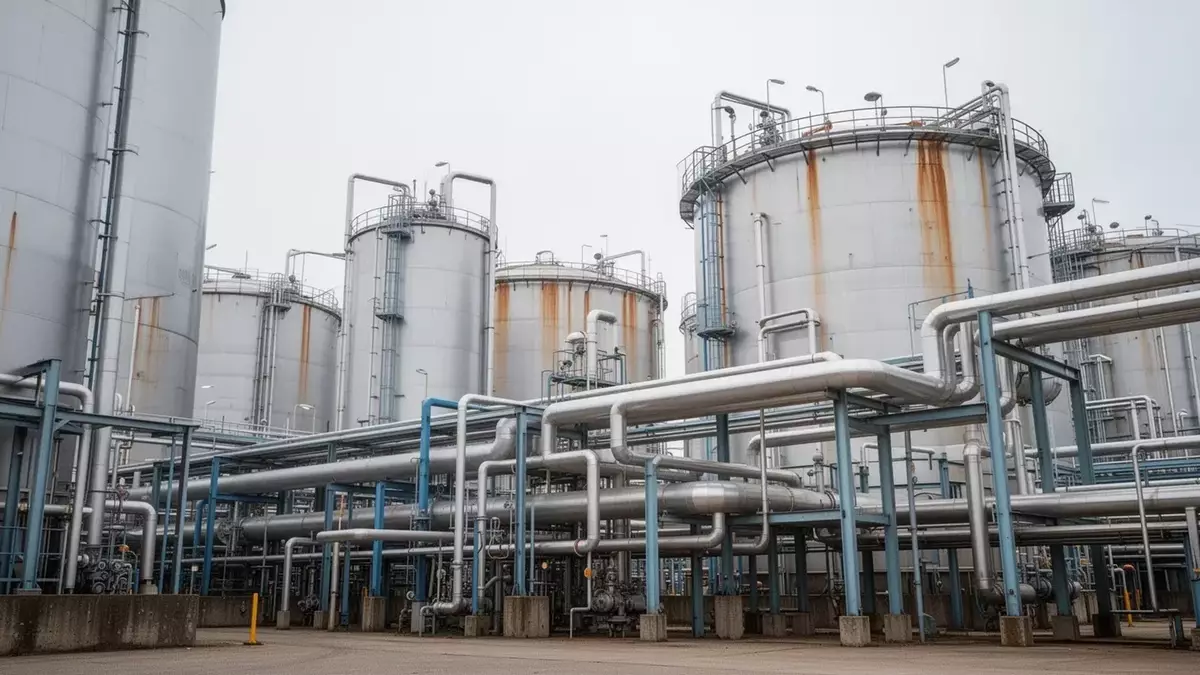
At the CIPPE trade show in Shanghai next week, the German chemical giant will showcase high-pressure equipment capable of handling up to 3,600 bar, alongside specialty catalysts. The move marks a deliberate shift away from commodity chemicals, where price volatility has hammered margins, toward higher-margin licensing and technology sales. BASF is betting that these engineered solutions will prove more resilient to the boom-bust cycle that has plagued the broader German chemical industry.
That bet already appears to be paying off in the numbers. First-quarter net profit jumped nearly 15% to €927 million, even as group revenues slipped to €16.02 billion on currency and pricing headwinds. Solid volume gains in Asia provided the lift, offsetting weakness elsewhere.
CoreShift Targets a Fifth of Fixed Costs
With the buyback ending, operating performance will face far sharper scrutiny. BASF has unveiled the next phase of its restructuring — a transformation programme dubbed "CoreShift", led by Julia Raquet. The goal is ambitious: cut cash-effective fixed costs in the core business by as much as 20% by 2029.
Should investors sell immediately? Or is it worth buying BASF?
The savings will come from global standardisation of IT systems, greater use of artificial intelligence, and further headcount reductions. CEO Markus Kamieth acknowledged that talks with worker representatives on specific job cuts are still in their early stages. No concrete targets have been disclosed yet.
Alongside internal cost-cutting, the company is pruning non-core assets. Its silicates business centred on Düsseldorf is being sold to US-based PQ Corporation. The transaction, expected to close in the second half of 2026, is being kept financially under wraps.
Grim Industry Backdrop
None of this is happening in a friendly climate. The German Chemical Industry Association (VCI) is forecasting another decline in domestic chemical production for the full year, citing high energy costs and an oppressive regulatory burden. Capacity utilisation across the sector has slumped to just 75.1%.
BASF's management is nonetheless holding firm on its full-year outlook. The board continues to target earnings before interest, taxes, depreciation and amortisation (EBITDA) in a range of €6.2 billion to €7.0 billion. Free cash flow is seen reaching up to €2.3 billion. Whether the first CoreShift measures are already gaining traction will become clearer when second-quarter results are published in July.
BASF at a turning point? This analysis reveals what investors need to know now.
Stock Finds a Footing
Investors have taken a favourable view of the strategic pivot. On Friday, BASF shares traded at €51.28, up 1.4% on the day and notching a year-to-date gain of 14.62%. The stock sits comfortably above its 200-day moving average of €46.83, with a neutral relative strength index of 47.6 offering room for further upside without signalling an overheated market.
The Shanghai trade show now provides an immediate operational catalyst. If BASF can lock in fresh contracts in the high-pressure segment, it will reinforce the narrative of a company successfully decoupling from the cyclicality of basic chemicals — just as its buyback safety net is withdrawn.
Ad
BASF Stock: New Analysis - 5 June
Fresh BASF information released. What's the impact for investors? Our latest independent report examines recent figures and market trends.