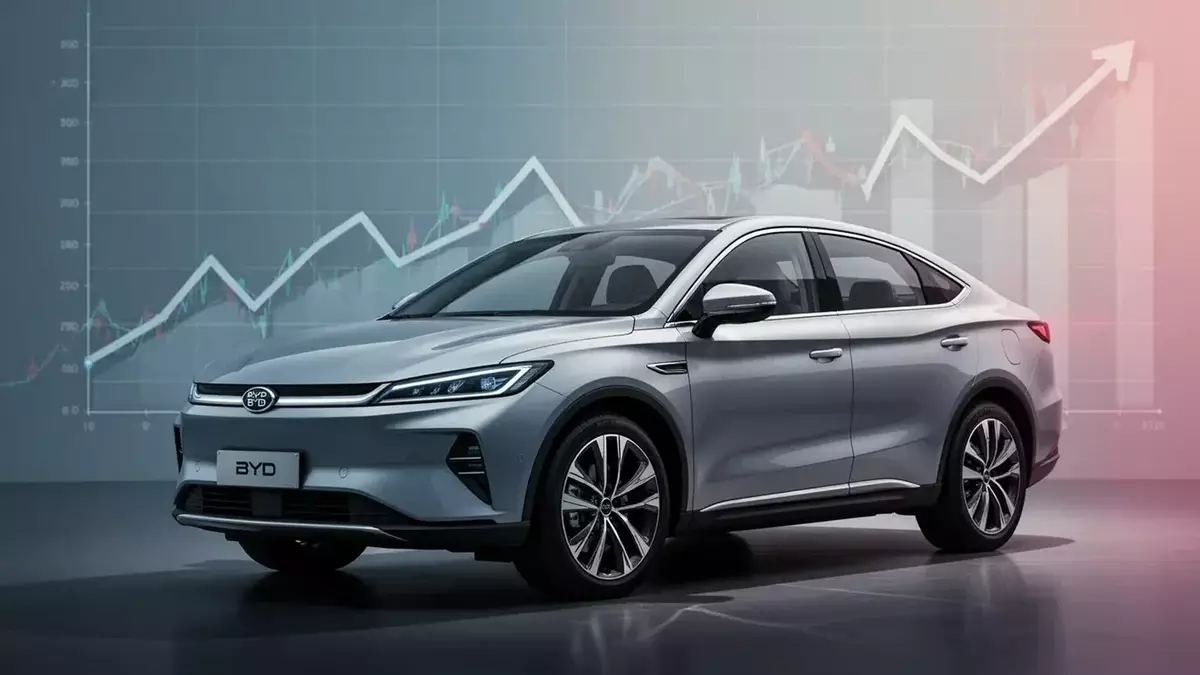
BYD Abandons Turkey Greenfield, Fast-Tracks European Factory Buy as Hybrid Dolphin G Sidesteps Tariffs
13.06.2026 - 03:04:50 | boerse-global.de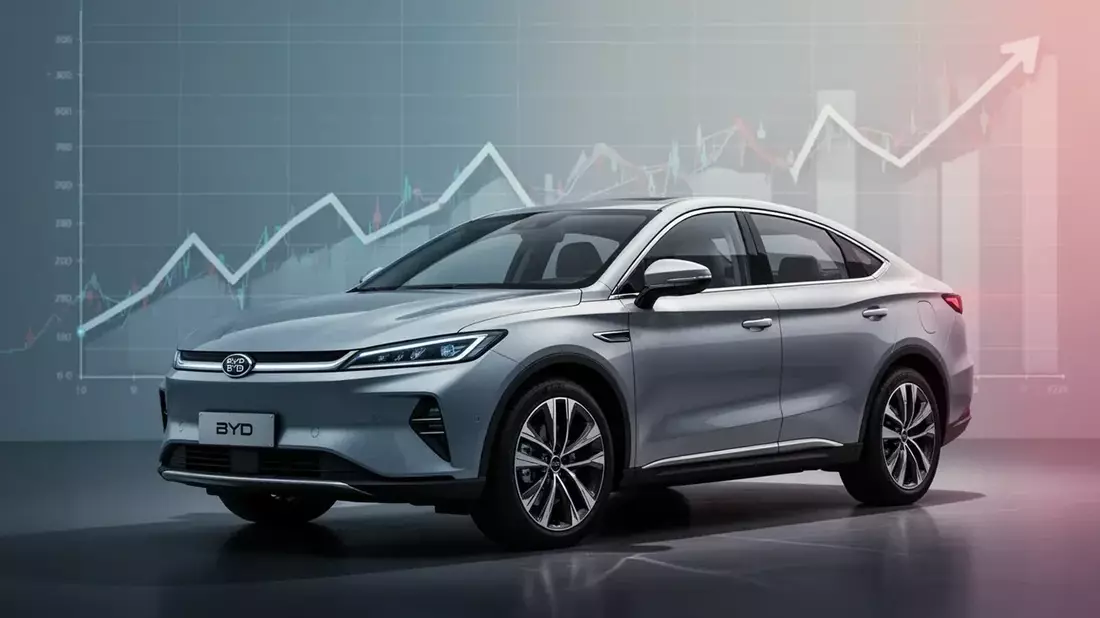
BYD’s European expansion has taken a sharp tactical turn, yet the market response has been muted at best. The Chinese automaker’s stock managed a 0.85% bounce on Friday to €9.56, but that did little to erase the week’s 3.46% decline after the shares touched a fresh 52-week low of €9.25. The tension between ambitious operational moves and investor caution is palpable.
The most dramatic shift came in Turkey, where BYD has shelved its multibillion-dollar greenfield project in Manisa province. Ankara withdrew tax exemptions after the company failed to make meaningful progress on the site, with only 152 vehicles sold in the country in May. Vice-President Stella Li confirmed the halt, saying the Turkish plant is no longer a priority. BYD must now either deliver on promised investments or repay incentives already received.
Instead of building from scratch, the group is switching to an acquisition-based model. Li revealed that BYD is actively scouting existing automotive factories in Southern Europe, with Spain and other Mediterranean locations under review. The goal is to bypass the EU’s additional tariffs on Chinese-made electric vehicles by establishing local production faster than a new-build would allow. Meanwhile, the company’s first European car plant in Szeged, Hungary, remains on track to start production in the fourth quarter of 2026.
Should investors sell immediately? Or is it worth buying BYD?
On the product side, BYD launched the Dolphin G plug-in hybrid specifically for the European market on Friday. The 1.5-liter petrol-electric drivetrain is deliberately positioned to dodge the bloc’s supplementary levies, which currently target only battery-electric vehicles. To support its growing fleet, the company has also opened its first commercial “Flash” charging park in Germany, boasting 1,500 kW capacity. BYD has earmarked €2bn for a European fast-charging network and aims to install 3,000 points by the end of 2026, with compatible vehicles able to charge from 10% to 70% in roughly five minutes.
Technically, the stock remains under pressure. The 14-day relative strength index sits at 33.3, close to the oversold threshold, while both the 50-day moving average (€10.85) and the 200-day average (€10.99) trade well above the current price. On a 30-day view, the shares have lost about 14% of their value, and a dividend of 0.40516 HKD per share went ex-dividend on June 11, adding to the drag.
Adding to the operational complexity, chairman Wang Chuanfu warned at the annual general meeting that the second-generation Blade battery is experiencing technical problems, preventing mass production. That constraint could slow BYD’s global growth just as it ramps up overseas deliveries. Wang reiterated the five-year target to overtake Toyota as the world’s largest automaker, planning 1.5 million overseas deliveries in 2026, up from around 1.05 million this year. Whether that ambition is realised now hinges on how quickly the Hungary plant ramps up and whether the hunt for a Southern European factory yields a fast acquisition.
Ad
BYD Stock: New Analysis - 13 June
Fresh BYD information released. What's the impact for investors? Our latest independent report examines recent figures and market trends.