BYD’s Overseas Offensive Reshapes the Narrative as Tesla Slips and a European Factory Hunt Gathers Pace
Published on 07/03/2026 at 19:46 | Redaktion boerse-global.de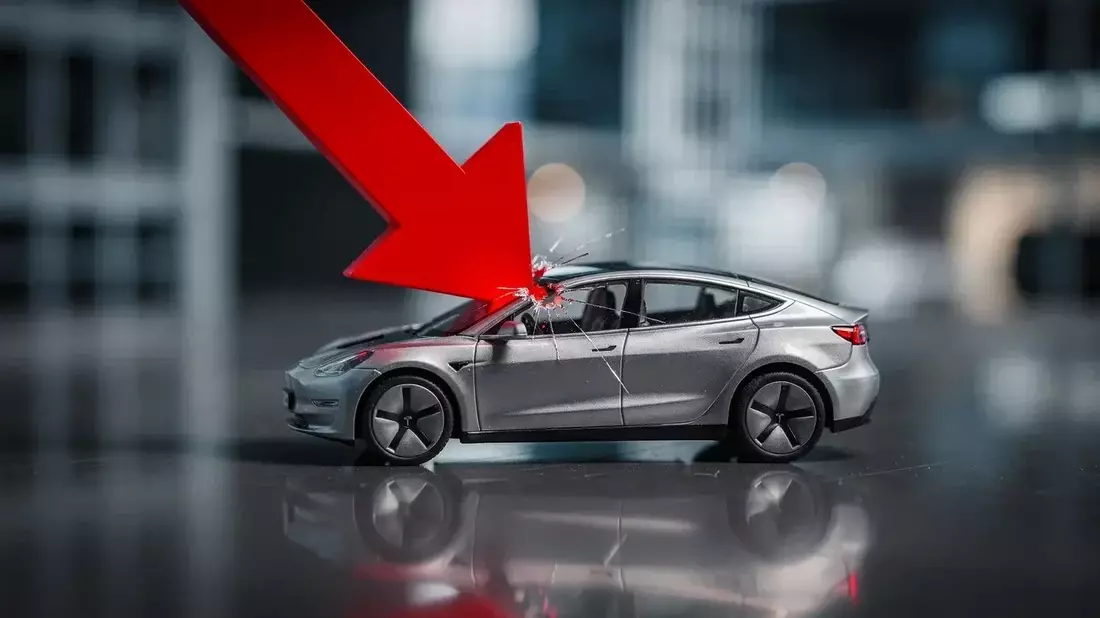
The battle for electric-vehicle supremacy is rarely static, and BYD’s latest quarterly numbers have once again flipped the script. The Chinese giant delivered 557,090 fully electric cars between April and June, comfortably outpacing Tesla’s 480,126 units and reclaiming the EV crown it lost in the first three months of the year. Yet the headline-grabbing sales figure tells only half the story. Deepening cracks in the domestic Chinese market are forcing BYD to lean ever harder on international growth — and that pivot is now rewriting its manufacturing blueprint as well.
Exports have become the engine room of BYD’s recent performance. In June alone, the company shipped nearly 175,000 vehicles overseas, a staggering 95% jump from a year earlier. Those foreign deliveries now account for 43% of monthly sales, a share that barely existed two years ago. The push has been especially effective in emerging markets; in Hungary, BYD captured roughly 17% of the electric-vehicle market in the first half, making it the segment leader. Over the full six-month period, total sales of pure battery cars reached 867,500 units, even as domestic deliveries slid 8% year-on-year.
That export adrenaline is the backdrop for a more profound strategic shift in Europe. BYD has put its planned €1 billion factory in Manisa, Turkey, on ice. Vice-president Stella Li confirmed the freeze at the Reuters Automotive Conference in Frankfurt. Instead, the company has deployed two dedicated teams to scout “brownfield” opportunities — existing car plants that can be taken over — in either Spain or France. The decision, expected within weeks, is driven by the harsh arithmetic of European tariffs on Chinese-made EVs, which currently range from 10% to 45%. A local factory would bypass those levies and secure immediate market access.
Should investors sell immediately? Or is it worth buying BYD?
The Turkish project’s capital will be redirected into the European Union, but BYD is not abandoning its existing commitments. The main factory in Szeged, Hungary, remains the company’s core gateway to the continent. Installation of production equipment is already under way, and vehicle assembly is scheduled to start in the fourth quarter of 2026. The need for a second European site is underscored by the sales momentum: BYD’s European registrations surged 158% year-on-year in May. The Hungary plant, once operational, will be complemented by whatever brownfield acquisition emerges.
Beyond Europe, BYD is deepening its footprint in Latin America and Oceania. In Camaçari, Brazil, an industrial complex that currently assembles imported parts is being upgraded to full vehicle production by July 2026, adding welding, painting and stamping on site. That move slashes reliance on Chinese imports for the South American market. Meanwhile, Australia delivered a record 18,881 vehicles in June, leaving BYD just 243 units shy of long-time market leader Toyota.
Back on home soil, the price war that has squeezed margins across China’s auto sector is showing signs of easing. Analysts at UOB Kay Hian have labelled BYD the best buy in the Chinese auto space, forecasting more stable margins in the second half. A new battery generation is expected to resolve past production bottlenecks, while the company’s charging infrastructure is being scaled up rapidly: roughly 7,000 fast-charging stations are operational today, with a year-end target of 20,000. The in-house technology can replenish a flat battery to 70% in just five minutes. New models are also rolling out; the Sea Lion 08, a fully electric flagship launched early this month, offers a range of 905 kilometres.
The stock has responded with a sharp bounce. After hitting a 52-week low of €8.03 on 30 June, BYD’s shares have rallied 14.08% over seven trading sessions. On Friday alone, the stock gained 5.58% to close at €9.46. Yet the recovery still leaves the shares about 12% below the 200-day moving average of €10.76, and the year-to-date loss stands at nearly 29%. The current move feels more like a catch-up on specific catalysts than a fundamental trend reversal. Still, with an ambitious target of shipping 1.5 million vehicles abroad by the end of 2026, BYD is betting its global footprint, not its domestic dominance, will drive the next chapter.
Ad
BYD Stock: New Analysis - 3 July
Fresh BYD information released. What's the impact for investors? Our latest independent report examines recent figures and market trends.
Disclaimer regarding our articles: No investment advice, no buy or sell recommendation. Information on prices, companies, and markets is provided without guarantee; changes are possible at any time. Stock market transactions can lead to substantial losses. Our articles are created and reviewed in whole or in part automatically with the support of AI.