
DAX Index Drops 1.4% Amid Escalating Geopolitical Tensions and Surging Energy Costs
30.03.2026 - 15:21:03 | ad-hoc-news.de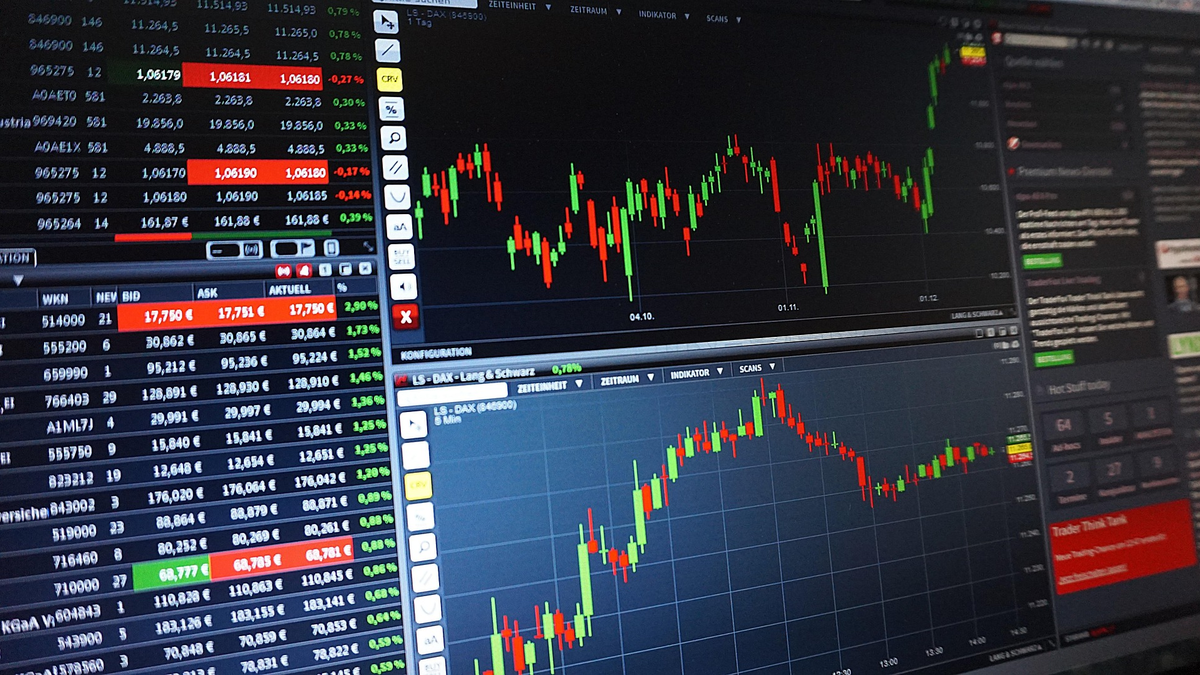
The DAX index, Germany's benchmark equity gauge tracking 40 major companies, declined 1.4% on Monday, March 30, 2026, closing at a multi-month low amid heightened geopolitical risks and climbing energy prices. This drop exceeded the broader European market's downturn, with the STOXX 600 falling 0.9% and the Euro STOXX 50 losing 1.1%, highlighting the DAX's particular sensitivity to energy cost pressures given Germany's heavy reliance on imported energy and its export-oriented industrials.
As of: Monday, March 30, 2026, 14:19 Europe/Berlin (converted from 13:19 UTC)
Geopolitical Tensions Drive Energy-Led Selloff in DAX
The primary catalyst for the DAX's underperformance stemmed from escalating tensions in the Iran conflict, now entering its fifth week, which propelled oil prices higher and reinforced stagflation concerns across Europe. Higher energy costs directly transmit to the DAX through elevated input expenses for its dominant industrial and chemical sectors, which comprise a significant portion of the index's weighting. Banks within the DAX also faced pressure as rising yields amid inflation fears squeezed margins, contrasting with more resilient sectors like consumer staples.
Unlike the FTSE 100, which edged only slightly lower, the DAX's sharper decline underscores its vulnerability to eurozone-specific inflation dynamics and German economic data due imminently. Investors are pricing in reduced ECB policy flexibility if energy-driven inflation persists, a factor that weighs more heavily on cyclical DAX components than on defensive UK names.
This move separated the DAX from U.S. benchmarks, where the S&P 500 dropped 1.7% but tech-heavy Nasdaq fell 2.2%, driven by megacap weakness rather than energy. For international investors, the DAX's reaction signals potential headwinds for euro-exposed portfolios, particularly those heavy in German exporters facing squeezed margins from a stronger euro amid dollar steadiness.
DAX Cash Index Performance Versus Futures and ETFs
The cash DAX index specifically lost 1.4%, reflecting intraday trading pressures during the European session. Separately, DAX futures on Eurex would have mirrored this downside into the close, though pre-open positioning indicated defensive leans with elevated volatility. DAX-linked ETFs, such as those tracking the full index replication, experienced comparable declines, amplifying losses for U.S.-based investors due to currency translation effects from a steady dollar.
Options activity around the DAX showed downside skew, with put implied volatility exceeding calls, signaling institutional hedging against further geopolitical shocks. This positioning differs from S&P 500 options, where VIX above 30 reflects broader U.S. uncertainty, but DAX volatility measures spiked on energy-specific fears.
For ETF investors, popular DAX products like the iShares Core DAX UCITS ETF saw flows cautious amid the selloff, mirroring broader European equity ETF outflows. The distinction matters: while cash index moves drive headline levels, futures provide forward guidance, and ETFs incorporate tracking errors from liquidity and dividends.
Sector Rotation Pressures DAX Industrials and Financials
Within the DAX's 40 constituents, industrials extended losses amid growth worries exacerbated by higher oil, a sector that includes heavyweights like Siemens and Rheinmetall. Chemicals, another key DAX pillar via BASF and Covestro, faced margin compression from feedstock costs, directly linking energy spikes to index weighting drags.
Banks declined as German Bund yields rose in response to inflation signals, contrasting with falling U.S. Treasury yields on recession fears. This yield divergence highlights the DAX's eurozone tether, where ECB expectations for rate cuts are now tempered by upside inflation surprises, such as Spain's recent data.
Defensive names offered limited offsets: while select healthcare like AstraZeneca gained on trial news (though not a DAX constituent), DAX pharma such as Bayer held firmer but couldn't counter cyclical weakness. No single company news dominated; the move was macro-driven at the index level.
Upcoming German CPI and ECB Implications for DAX
Germany's March CPI data, due at 12:00 GMT (14:00 Europe/Berlin), looms as the next DAX catalyst, with consensus eyeing sticky inflation from energy pass-through. A print above expectations could further cap ECB easing bets, pressuring DAX valuations that trade at a premium to historical averages on cyclical recovery hopes.
Eurozone March Confidence indicators at 09:00 GMT precede this, potentially signaling softening demand that aids exporters but heightens recession risks. For DAX futures traders, these releases will dictate overnight positioning, separate from cash close dynamics.
International investors should note the transmission: persistent inflation delays ECB cuts, strengthening the euro and hurting DAX multinationals' competitiveness versus U.S. peers benefiting from Fed pivot expectations. This setup differentiates DAX from CAC 40, where French luxury buffers some macro pain.
U.S. Market Context and Cross-Atlantic Divergences
Across the Atlantic, U.S. indices closed lower with S&P 500 at 6,368.85 (-1.7%), but the drivers diverged: Nvidia (-2.2%) and Amazon (-4.0%) led on profit warnings, while DAX weakness centered on energy. Converted to Europe/Berlin time, U.S. close occurred around 21:30 local, post-DAX session.
Michigan Consumer Sentiment at 53.3 (down from 56.6) and rising inflation expectations to 3.8% year-ahead echo European stagflation, but U.S. Treasury yield falls contrast Bund rises, aiding S&P duration-sensitive tech less afflicted in DAX. Fed's Powell speech at 12:30 GMT adds U.S. focus, potentially influencing dollar flows into European assets.
For U.S. investors in DAX ETFs, this creates arbitrage: cheaper German cyclicals on dip-buying opportunities if geopolitics ease, but heightened VIX (31+) suggests waiting for confirmation.
Risk Factors and Positioning for DAX Traders
Volatility remains elevated, with VIX near 31 and DAX-equivalent measures signaling short-term uncertainty. Options positioning tilts defensive, pricing 1.6% expected SPX moves but analogous for DAX. Geopolitics overshadows earnings, with no major DAX reporters this week.
Risks include oil sustaining above recent highs, constraining ECB/BoE, and G7 calls on energy. Upside: if CPI disappoints low, DAX could rebound on rate-cut hopes. Futures positioning shows caution, with ETF outflows reflecting institutional derisking.
Next catalysts: Germany CPI, Eurozone confidence, Powell. Investors eye if stagflation narrative sticks or growth data softens.
Further Reading
Saxo Bank Market Quick Take - 30 March 2026
CSFX Commodity Analysis Week of March 30, 2026
STOXX DAX Index Details
Eurex DAX Futures
Disclaimer: Not investment advice. Indices, ETFs and financial instruments are volatile.
So schätzen die Börsenprofis Aktien ein!

Für. Immer. Kostenlos.


