Explosion at Essex fertiliser storage unit sends 20 firefighters to hospital
Published on 07/26/2026 at 20:57 | Redaktion boerse-global.de
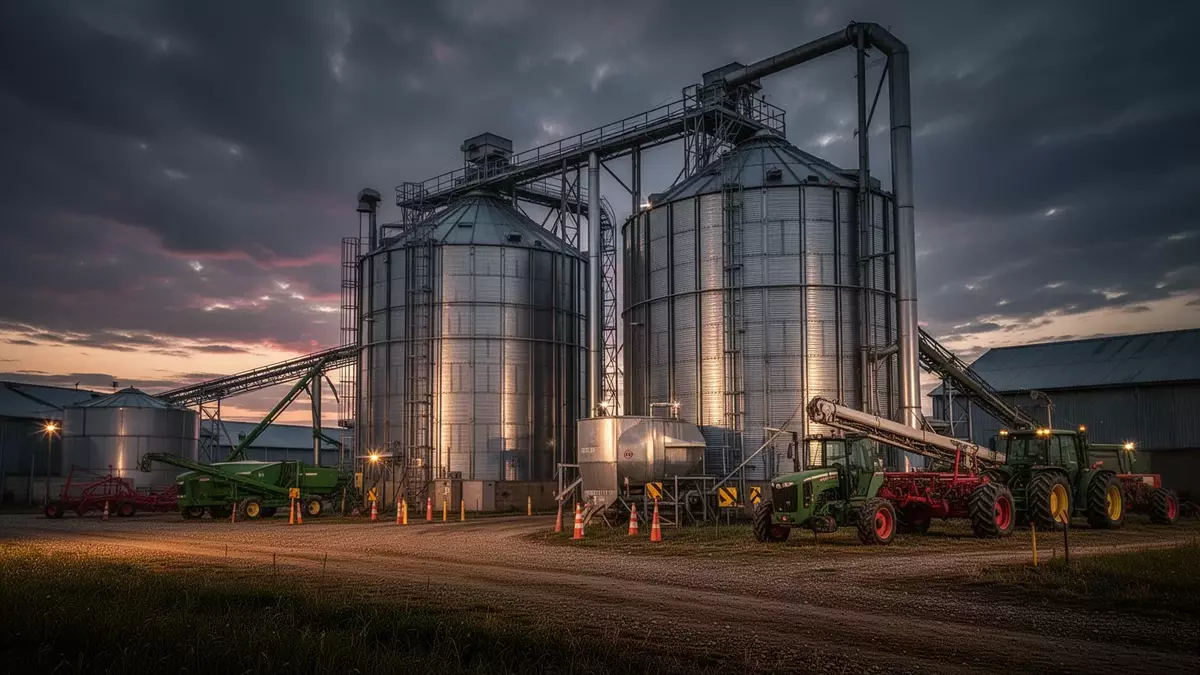
A fertiliser storage unit explosion at an industrial site in Essex has highlighted the serious risks associated with agricultural chemical storage, after 20 firefighters were taken to hospital and three fire engines were destroyed.
The blast at Highlands Farm in Rettendon on Saturday afternoon sent debris across the area and created a large orange and grey smoke plume visible for miles. Residents in East Hanningfield reported feeling the shockwave nearly a mile away, with some comparing it to a significant concussive event.
More than 100 firefighters were deployed to the scene after the fire broke out at around 17:46 BST. The explosion resulted in the total loss of three fire engines and two officer vehicles. While four firefighters sustained minor injuries, the majority were treated for hearing checks following the blast. All affected personnel have since been discharged.
Emergency response and recovery
Fire Chief Rick Hylton described the incident as one of the most challenging the service has faced in recent years. The fire was brought under control by Sunday, though 15 firefighters remained on-site through the night to monitor hotspots and prevent reignition.
Incidents like this underscore why a thorough fire risk assessment is essential for any site storing volatile materials. A free Fire Safety Toolkit gives you a complete risk assessment template, evacuation plan, and fire extinguisher training documents to help meet your legal duties. Download the free Fire Safety Toolkit
Recovery efforts are now being coordinated by Chelmsford City Council. The UK Health Security Agency has indicated that the immediate health risk to the public remains low.
Damage to local businesses
The force of the explosion caused structural damage to nearby commercial properties. Local wedding photographer Scott Johnson reported that the roof of his studio collapsed and debris rained down on him after he was thrown against a door by the pressure wave.
Rural fires stretch resources nationwide
The Essex incident was one of several agricultural fires that taxed emergency resources across the UK over the weekend. In North Yorkshire, the A1 motorway near Leeming was closed on July 26 due to heavy black smoke from a fire in an agricultural building. Residents were advised to keep windows and doors closed as crews from Bedale, Northallerton, Richmond, Thirsk and Ripon attended the scene.
In Lincolnshire, crews have been tackling a blaze at agricultural buildings on West Road in Pointon since the afternoon of July 25, with four crews remaining at the location on Sunday to manage ongoing damage.
A massive field fire in East Bergholt broke out on Putticks Lane on Saturday evening, consuming 80 hectares of cut straw, trees and hedgerow. Fourteen crews were required to stop the flames before they reached residential homes. Fire officials noted the cause was likely linked to human activity and issued warnings about the responsible disposal of litter in dry conditions.
Similar incidents were reported in Hereford, where a tractor driver had to uncouple his machinery to prevent a baler fire from spreading, and in Sherburn in Elmet, where a stubble field fire is believed to have been started deliberately.
Renewed safety warnings
These events have prompted renewed calls from fire services for stricter adherence to safety protocols during hot and dry periods, particularly concerning the storage of volatile materials like fertiliser and the use of industrial machinery near dry vegetation.
With fire services stretched thin, having your own documented safety procedures in place is more important than ever. A free Health & Safety Toolkit provides ready-to-use risk assessments and checklists covering COSHH, fire safety, PPE, and more — everything you need to stay compliant with UK regulations. Download the free Health & Safety Toolkit
The risks were further underscored by an incident in Scotland, where a major wildfire in the Cairngorms was finally downgraded on July 25 after burning six square kilometres since mid-July. The operation involved over 500 firefighters and helicopters dropping 40,000 litres of water per hour to protect local communities.
Disclaimer regarding our articles: No investment advice, no buy or sell recommendation. Information on prices, companies, and markets is provided without guarantee; changes are possible at any time. Stock market transactions can lead to substantial losses. Our articles are created and reviewed in whole or in part automatically with the support of AI.