Global Beach Closures Surge as Bacteria, Algae and Weather Threats Multiply
Published on 07/20/2026 at 01:17 | Redaktion boerse-global.de
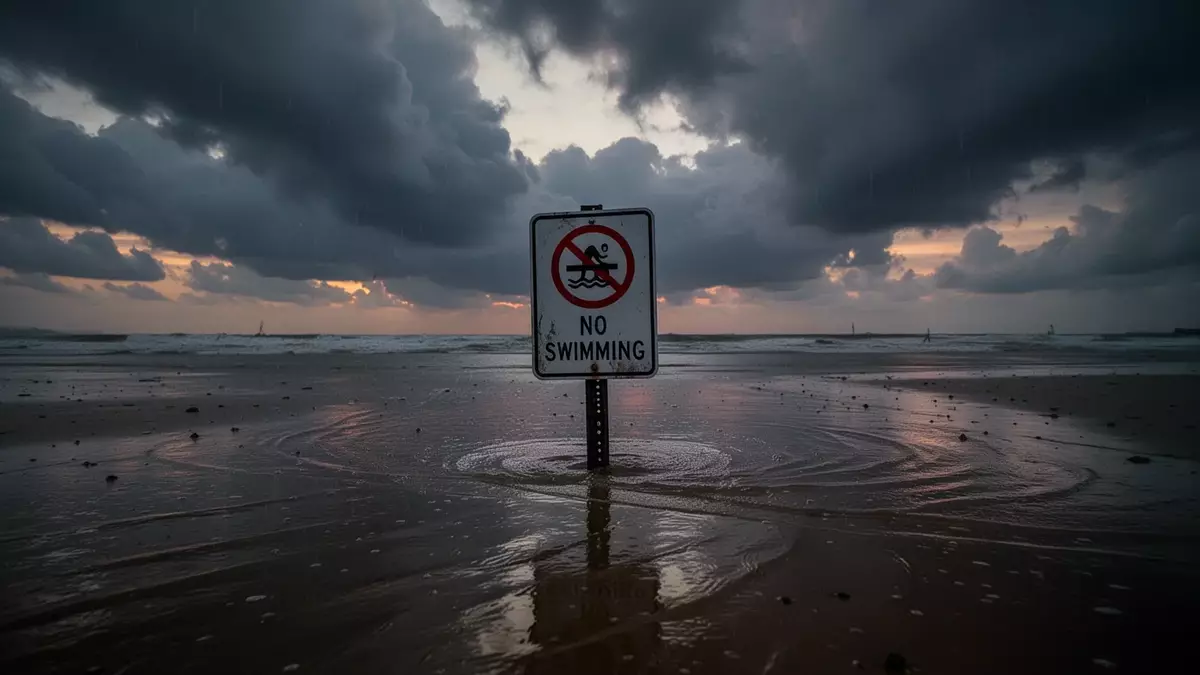
Public health authorities across the United States, Canada, and the United Kingdom have issued sweeping swimming bans and health advisories as elevated bacteria levels, toxic algae blooms, and hazardous weather conditions force the closure of dozens of recreational sites. The wave of restrictions highlights growing pressure on water quality monitoring systems and the importance for UK employers with coastal or water-adjacent operations to stay alert to rapidly changing environmental conditions.
Heavy Rainfall Triggers New York Beach Closures
In New York's Westchester County, health officials ordered the closure of 12 beaches along the Long Island Sound and Hudson River for July 19 and 20. The decision followed a significant weather event on July 18, when the region recorded approximately 1.8 inches of rainfall.
The closures affect several high-traffic locations, including Croton Point Park, Philipse Manor, and Hudson Park East, where bacteria tests exceeded state standards. Preemptive closures were also enacted for beaches in Mamaroneck Harbor, Rye, and Davenport Neck. Under local health protocols, rainfall exceeding 0.5 inches triggers a one-day closure, while totals surpassing one inch necessitate a two-day suspension of swimming activities. Officials indicated these sites may reopen on July 21, provided no additional rainfall occurs.
E. coli and Toxic Algae Warnings Across the Midwest
The Iowa Department of Natural Resources (DNR) recently advised against swimming at 11 state beaches due to the presence of E. coli and microcystin — a toxin produced by blue-green algae. Impacted sites include Bobwhite State Park, Lake Darling Beach, and Pine Lake South Beach. While Backbone Beach was cleared for use, monitoring at Blue Lake and Lake Keomah has been suspended due to low water levels.
In Washington State, the King County Health Department closed multiple Puget Sound beaches on July 18 after detecting high levels of fecal bacteria. Affected areas include Gene Coulon Memorial Beach, Houghton Beach, and Mount Baker in Seattle. Toxic algae blooms also forced the closure of Lake Marcel and Palmer Lake. Similar health advisories were issued on July 19 for St. Brieux and Stoney beaches in Saskatchewan, Canada.
Weather Hazards and Wildfire Smoke Restrict Access
Beyond biological contaminants, atmospheric and water conditions have restricted beach access in several states. On July 19, the National Weather Service issued hazard statements for Lake Michigan, where waves of three to five feet and dangerous rip currents prompted officials in Chicago and Evanston to close beaches to swimmers.
Air quality has also emerged as a public safety factor. On July 17, smoke from Canadian wildfires resulted in reduced swimming capacity and the closure of specific areas at Island Beach State Park in New Jersey. Similar smoke-related air quality issues were reported near Lake Michigan over the weekend. In Colorado, city staff in Boulder closed the Boulder Reservoir swim beach on July 19 following the discovery of unidentified contamination or algae.
UK and Northern Ireland: Sewage Leaks, Algae and Vandalism
In the United Kingdom and Northern Ireland, beach safety issues have stemmed from infrastructure failure and social disturbances. Northumbrian Water identified a water quality crisis at Cullercoats Bay caused by sewage leaks from damaged public and private pipes, leading to the beach receiving the lowest environmental rating.
In Nottinghamshire, authorities issued a warning on July 17 regarding blue-green algae in Cotgrave Country Park, advising the public to keep pets away from the water. Meanwhile, in Donaghadee, County Down, the Lemons Wharf Paddling Pool was closed on July 19 due to vandalism, shortly after being treated for "green water" issues.
Public safety concerns extended to overcrowding in Merseyside, where Sefton beaches experienced high traffic as temperatures exceeded 30°C. Local council members reported road closures and anti-social behaviour, including an incident on Crosby beach where a teenager was injured by a bladed weapon, prompting warnings for visitors to remain respectful and follow parking regulations.
Disclaimer regarding our articles: No investment advice, no buy or sell recommendation. Information on prices, companies, and markets is provided without guarantee; changes are possible at any time. Stock market transactions can lead to substantial losses. Our articles are created and reviewed in whole or in part automatically with the support of AI.