Gold Rebounds on Oil’s Retreat: Bullion Regains $4,050 as Rate-Hike Speculation Fades
Published on 07/21/2026 at 16:43 | Redaktion boerse-global.de
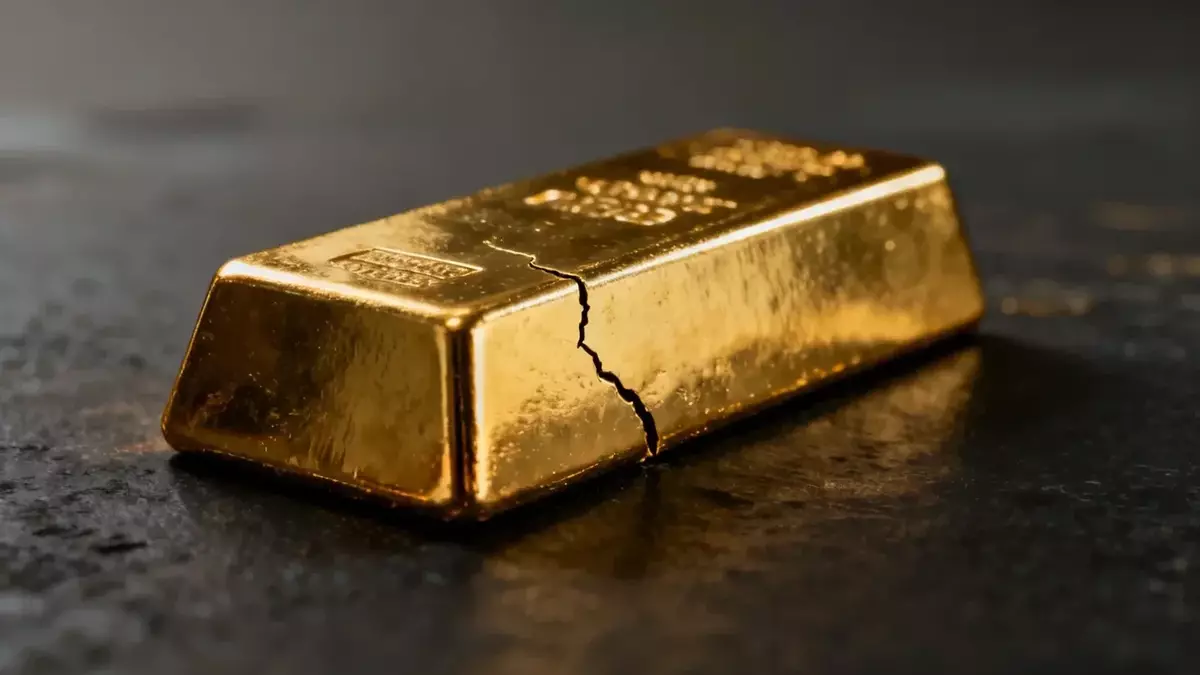
Gold prices snapped a recent losing streak on Tuesday, climbing to their highest level in a week as a pullback in crude oil tempered inflation expectations and reduced the likelihood of further monetary tightening. The precious metal rose 1.04% to $4,053.60 per troy ounce, while silver surged 4.23% to $58.83 and platinum advanced 2.19% to $1,633.00. The relief rally was driven almost entirely by the energy complex, with Brent and West Texas Intermediate both slipping after days of gains that had stoked fears of persistent price pressures.
The move marked a sharp reversal from the conditions that had weighed on gold in recent weeks. Escalating hostilities between the US and Iran – which began in late February – had pushed oil prices higher, intensifying inflation anxieties and reinforcing expectations of higher interest rates from the Federal Reserve and the European Central Bank. A stronger dollar and rising bond yields, both byproducts of those rate-hike bets, had eroded the appeal of zero-yield bullion. Tuesday’s decline in energy costs disrupted that feedback loop, giving gold room to recover.
Despite the rebound, geopolitical risks remain firmly in play. US airstrikes against Iran entered their tenth consecutive night, and disruptions to oil flows through the Strait of Hormuz continue to threaten supply. Yet markets appear to be pricing in a greater chance of diplomatic resolution, at least for the moment. This uneasy mix – declining oil-driven inflation fears coexisting with unresolved conflict – is injecting volatility into the gold market. Investors are also eyeing the Federal Reserve’s next policy decision: the FOMC meeting is scheduled for July 28–29, 2026, with a press conference at 20:30 MESZ on the 29th.
Should investors sell immediately? Or is it worth buying Gold?
Technically, gold remains in a fragile position. The relative strength index sits at 43.7, neutral but still tilted toward weakness, while the metal trades 5.20% below its 50-day moving average of $4,276.11. The secondary source notes that Monday’s close at $4,015.70 was just 2.93% above the year’s low from late October, with a prior RSI reading of 40.2. Bullion has reclaimed the $4,040 level and broken a short-term downtrend line, but resistance at $4,052 and $4,098 will be critical to confirm further gains. A failure to hold support near $3,959 could open the door to deeper losses.
Longer-term support continues to come from central bank buying, which runs at roughly 1,000 tonnes annually and provides a structural floor under the market. ETF flows, however, remain mixed as investors wait for clearer economic signals. Several Fed officials have recently hinted at additional rate increases given persistent price pressures, and a hawkish outcome at the upcoming FOMC meeting would once again tighten the screws on gold.
For now, the metal’s trajectory hinges on the interplay between oil and monetary policy. Year-to-date, gold is still down 6.45% from its January record near $5,600, and the current recovery appears tentative at best. Whether it can build on Tuesday’s gain will depend on whether crude continues to ease – and whether the Fed’s next move pours cold water on the rally or leaves the door ajar, as the market balances a simmering Middle East crisis against a hawkish central bank.
Ad
Gold Stock: New Analysis - 21 July
Fresh Gold information released. What's the impact for investors? Our latest independent report examines recent figures and market trends.
Disclaimer regarding our articles: No investment advice, no buy or sell recommendation. Information on prices, companies, and markets is provided without guarantee; changes are possible at any time. Stock market transactions can lead to substantial losses. Our articles are created and reviewed in whole or in part automatically with the support of AI.