Gold’s Paradox: Iran Peace Hopes and Inflation Fears Deliver a Double Blow
Published on 06/12/2026 at 13:25 | Redaktion boerse-global.de
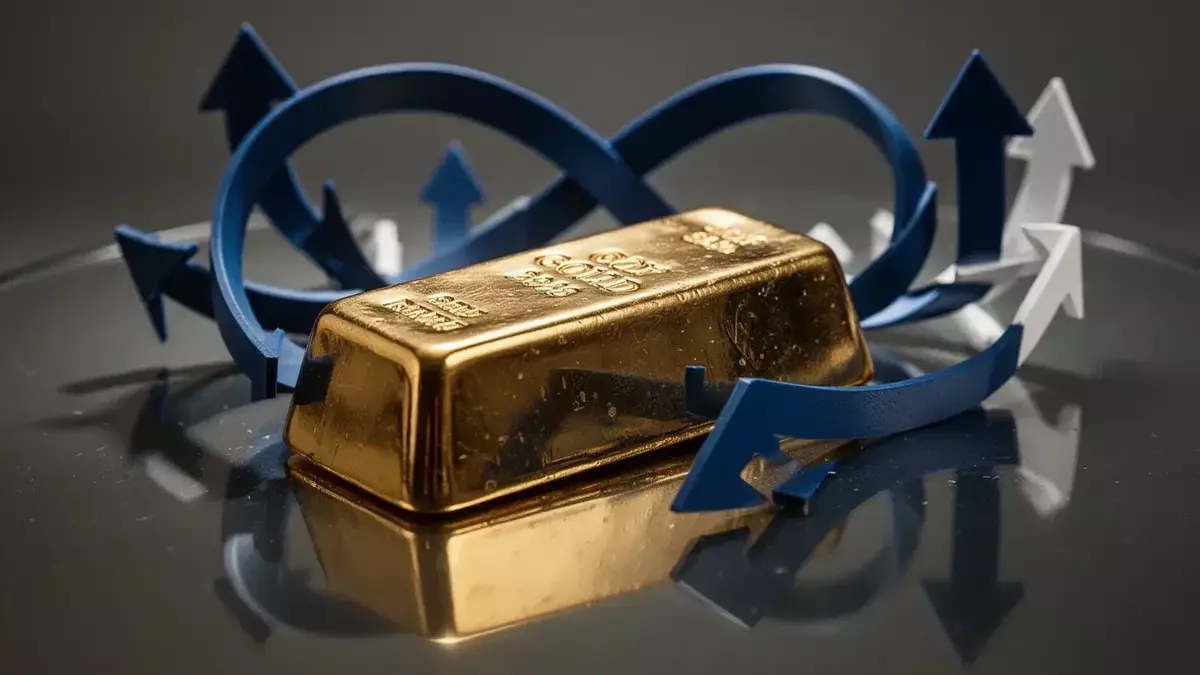
The precious metal is caught in a tug-of-war that defies typical safe-haven logic. A sudden peace breakthrough between the US and Iran has removed a key pillar of demand, while the very inflation that geopolitical turmoil fuels is pushing interest rate expectations higher—hitting gold from both sides. At $4,225.60 an ounce, the metal has shed nearly 10% in the past month and a staggering 26% from its January record.
Mixed Signals from the Gulf
The root of the recent volatility lies in a storm of contradictory statements. President Donald Trump declared a “great agreement” with Iran on Thursday, hinting that a deal could be signed over the weekend in Europe. That rhetoric quickly boosted risk appetite, sending gold lower. But within hours, Iran’s Foreign Ministry spokesman poured cold water on the optimism, insisting no final decision had been made and key issues remained unresolved. Adding to the confusion, US forces reported shooting down Iranian drones in the Strait of Hormuz, while Trump also called off a scheduled military strike—underscoring the fragile nature of the “peace” narrative.
The net effect: a geopolitical risk premium that analysts now struggle to price. The metal closed at $4,172.50 on Friday, marking a weekly loss of roughly 4%.
Inflation Data Fan Rate-Hike Bets
Away from the Gulf, macro numbers are piling on the pressure. US consumer prices surged 4.2% year-on-year in May, the fastest clip since April 2023, driven heavily by energy costs. Producer prices also came in above forecasts. This one-two punch has dramatically shifted expectations for the Federal Reserve. Markets now assign a probability of over 70% to a rate hike by December 2026, according to one measure, while a separate survey puts the odds above 60%. Higher rates make yield-bearing assets more attractive, punishing gold’s zero-coupon status.
Should investors sell immediately? Or is it worth buying Gold?
The fallout is visible in bond markets: the 30-year Treasury yield has climbed above 5% for the first time since July 2007.
Central Banks Provide a Floor
Despite the rout, gold isn’t falling apart. A structural demand driver remains firmly in place: central banks added a net 244 tonnes to their reserves in the first quarter of 2026. China has been a steady buyer for 18 consecutive months. By the end of 2025, gold had even overtaken US Treasuries as the most valuable reserve asset held by euro-area central banks, according to European Central Bank estimates. These institutional purchases are creating a solid floor under prices.
Technically, the correction has been brutal. The Relative Strength Index has slipped to around 30.9–35, nearing oversold territory, while the 50-day moving average has been decisively broken. The next chart support lies at $4,100, and if that gives way, the yearly low of $3,901.30 could come into play.
Gold at a turning point? This analysis reveals what investors need to know now.
All eyes are now on the weekend. If the US and Iran sign a memorandum of understanding, the geopolitical risk premium will evaporate further. If the talks collapse, the safe-haven bid could return—but so would the threat of higher energy prices and even steeper rate expectations, creating yet another headwind.
Ad
Gold Stock: New Analysis - 12 June
Fresh Gold information released. What's the impact for investors? Our latest independent report examines recent figures and market trends.
Disclaimer regarding our articles: No investment advice, no buy or sell recommendation. Information on prices, companies, and markets is provided without guarantee; changes are possible at any time. Stock market transactions can lead to substantial losses. Our articles are created and reviewed in whole or in part automatically with the support of AI.