Gold’s Split Screen: China’s Aggressive Buying Spree vs. Markets Pricing In a Fed Rate Hike
Published on 07/16/2026 at 16:57 | Redaktion boerse-global.de
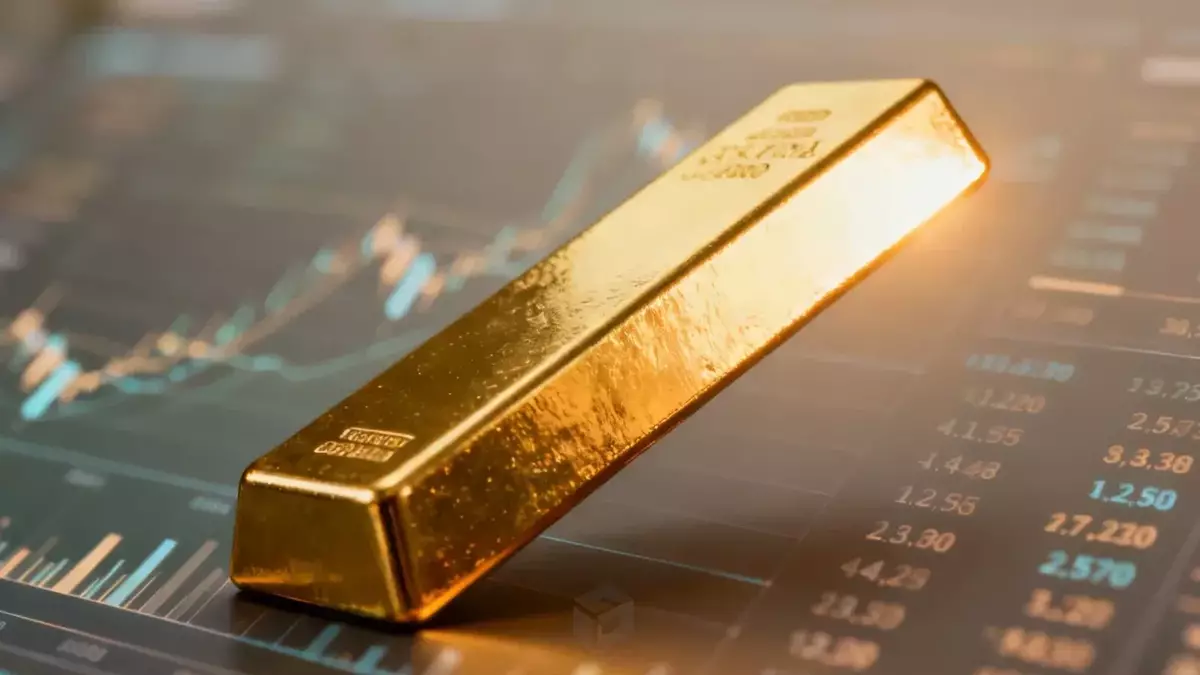
Gold is caught in an unusual tug-of-war. On one side, China’s central bank is stockpiling bullion at the fastest pace in years, adding nearly 15 tonnes in a single month. On the other, financial markets are suddenly pricing in a better-than-even chance that the Federal Reserve will raise interest rates in September. The two forces are pulling in opposite directions, and for now, the short-term rate outlook is winning out.
The precious metal slipped to $3,994.50 an ounce on Thursday, a 1.78% decline from the previous session. That extends the week’s losses to 3.34% and the monthly drop to a bruising 8.24%. Gold now sits 29% below its all-time high of $5,626.80 reached in January. The Relative Strength Index has fallen to 37.7, signalling an oversold market.
Yet behind the price weakness, a structural shift is underway. The People’s Bank of China bought 14.93 tonnes of gold in June — its largest monthly addition since 2023 and the 20th consecutive month of purchases. After averaging just one tonne a month between autumn and February, buying has accelerated sharply: five tonnes in March, eight in April, and now nearly 15. The move is widely seen as a strategic hedge against the kind of sanctions-driven asset freezes that hit Russia’s central bank reserves in 2022.
J.P. Morgan analysts point to a surge in Chinese net imports of gold, which hit 317 tonnes in the first quarter of 2026 — almost three times the previous quarter’s level. Beijing appears intent on building a reserve buffer that insulates the renminbi from dollar-centric financial sanctions, laying the groundwork for a long-term challenge to the greenback’s status as the world’s reserve currency.
Should investors sell immediately? Or is it worth buying Gold?
But that long-term narrative is competing with a very different short-term story. Just days after softer-than-expected US inflation data briefly lifted gold above $4,000, the market’s attention has snapped back to interest rates. Traders now see roughly a 50% probability that the Fed will deliver a rate hike at its September meeting — a dramatic swing from expectations of a cut just weeks ago.
The confusion stems from conflicting economic signals. June’s producer price index fell for the first time in nearly a year, dragged lower by cheaper energy costs. Core PPI rose just 0.2%, weaker than forecast. That followed an already soft consumer price report on Tuesday. For a moment, investors dialled back their hawkish Fed bets. But the relief proved short-lived.
The problem is that energy prices could quickly reverse course. Escalating conflict in the Middle East — the US has launched a fifth consecutive day of strikes against Iranian military positions, Tehran has closed the Strait of Hormuz, and the US Navy has reinstated a blockade of Iranian ports — threatens to push oil prices higher. That would feed through to inflation expectations, undermining the disinflation narrative and reinforcing the case for tighter monetary policy.
Gold at a turning point? This analysis reveals what investors need to know now.
Fed Chair Kevin Warsh drove the point home during a congressional hearing, reiterating that the central bank has “no tolerance” for persistently elevated inflation. While he stopped short of signalling an imminent rate increase, the market interpreted his language as a green light for pricing one in. Higher rates raise the opportunity cost of holding non-yielding gold, putting downward pressure on prices.
So gold remains stuck in a dilemma. Bullish structural forces — record central bank buying and geopolitical uncertainty — are being offset by bearish cyclical ones: rising rate expectations that make the dollar more attractive and dampen demand for safe-haven assets. The near-term path will likely be shaped by a fresh wave of US economic data due later Thursday, including June retail sales, weekly jobless claims, and the Philadelphia Fed manufacturing index. Until the rate outlook becomes clearer, gold’s gyrations are unlikely to let up.
Ad
Gold Stock: New Analysis - 16 July
Fresh Gold information released. What's the impact for investors? Our latest independent report examines recent figures and market trends.
Disclaimer regarding our articles: No investment advice, no buy or sell recommendation. Information on prices, companies, and markets is provided without guarantee; changes are possible at any time. Stock market transactions can lead to substantial losses. Our articles are created and reviewed in whole or in part automatically with the support of AI.