Novo Nordisk Balances a $25M Ransom Demand and a High-Stakes FDA Decision as Shares Rebound
Published on 06/24/2026 at 19:55 | Redaktion boerse-global.de
Novo Nordisk has clawed back more than a third of its value from March lows, yet the Danish drugmaker finds itself caught between two very different threats: a brazen cyber extortion attempt and the make-or-break verdict of US regulators on its next-generation obesity therapy.
The stock currently trades at around €41.24, up roughly 36% from its trough, though another report placed the price at €41.80 — reflecting a 10% weekly jump. Behind the recovery lies a flurry of positive news, but a pair of looming flashpoints could determine whether the rally has legs.
Hackers Demand $25 Million After June 11 Breach
The company disclosed an IT security incident on June 11, but the full scale of the attack has since come into focus. Hackers are now demanding $25 million from Novo Nordisk, claiming they infiltrated deep into the company’s systems. For a pharmaceutical firm, the potential theft of research data and patient information represents an existential risk.
Investors have so far shrugged off the threat. The stock remains elevated, but the episode introduces fresh uncertainty. A confirmed leak of sensitive clinical data could derail ongoing studies and trigger a sudden selloff. The company must now decide how to respond to the ransom demand, a choice that carries both financial and reputational consequences.
Should investors sell immediately? Or is it worth buying Novo Nordisk?
Oral Wegovy Approval and a New Research Initiative
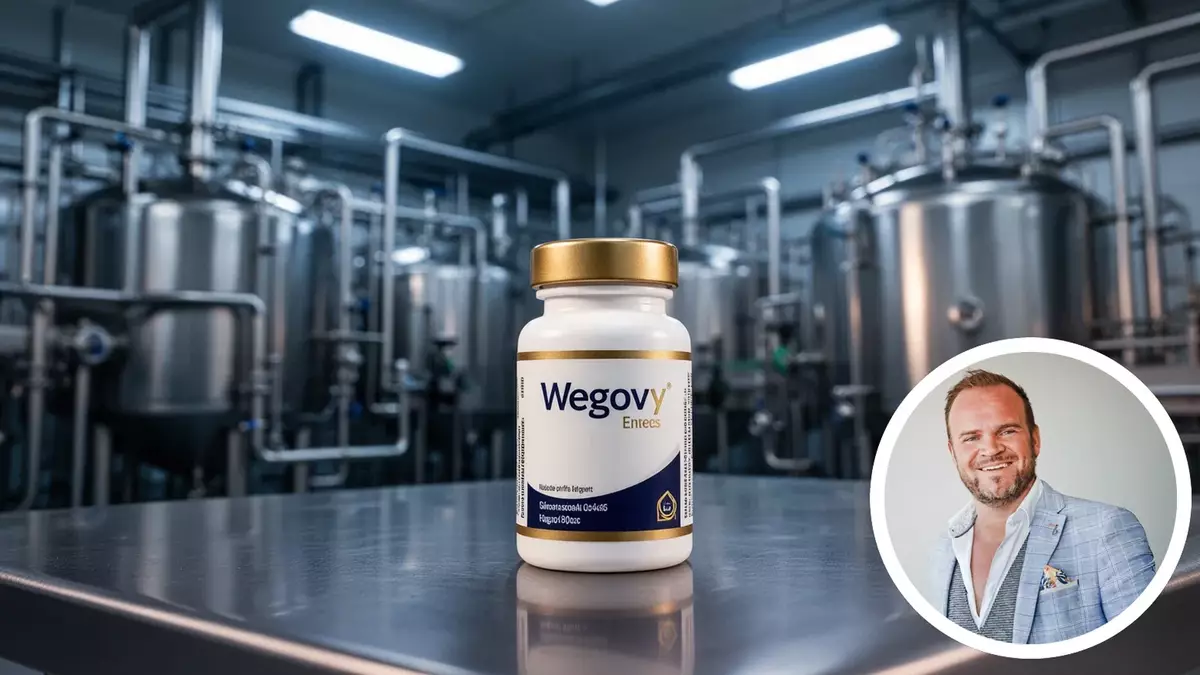
The same day the breach was first reported, the UK’s Medicines and Healthcare products Regulatory Agency (MHRA) granted approval for an oral formulation of Wegovy — the first orally administered GLP-1 weight-loss drug cleared in Britain. The pill has already exceeded internal expectations: first-quarter 2026 sales reached approximately DKK 2.3 billion, nearly double initial forecasts.
Separately, the Novo Nordisk Foundation launched the CardioMetabolic Bridge, a pan-European research network designed to accelerate studies on obesity and type 2 diabetes. The initiative consolidates future research efforts across the region, giving the company an additional platform for early-stage innovation.
Buyback Programme Provides a Floor
Alongside these catalysts, the company is bolstering the stock through its own buyback operations. Since February 2026, Novo Nordisk has repurchased roughly DKK 5.6 billion worth of its own shares — about one-third of the planned DKK 15 billion programme, which runs until February 2027. This steady demand is helping to absorb selling pressure and has created a technical floor around the 200-day moving average, currently at €41.00.
Yet the buyback cannot mask the structural headwinds. The company’s 2026 guidance projects adjusted revenue and operating profit growth of minus 4% to minus 12% at constant currencies — the first top-line decline in years. US pricing pressure, reduced Medicaid reimbursements, and a most-favoured-nation clause are squeezing margins. Patent expirations for semaglutide in certain international markets and fierce competition from Eli Lilly and biosimilar manufacturers have already eroded market share.
CagriSema: The Pivot Point
The dominant variable for the stock’s medium-term direction remains the US Food and Drug Administration’s decision on CagriSema, Novo’s combination of an amylin analogue and semaglutide. A ruling is expected by the end of 2026.
The REDEFINE-1 study recorded an average weight loss of 22.7%, slightly below the company’s own 25% threshold. In head-to-head comparisons with Eli Lilly’s Zepbound, CagriSema came up short. Whether the FDA grants a label that allows premium pricing and meaningful differentiation — or relegates the drug to a second-tier option in a crowded field — will dictate the stock’s revaluation.
Supporting a bullish case is the breadth of the clinical data package. The REIMAGINE-1 and REIMAGINE-2 trials were published simultaneously in The Lancet Diabetes & Endocrinology during the ADA Congress, showing promising HbA1c reduction and weight loss in type 2 diabetes patients. A dual label covering both obesity and diabetes would substantially expand the addressable patient population. Novo is also developing Zenagamtide, a next-generation GLP?1/amylin receptor agonist under investigation in both oral and subcutaneous forms — a candidate that could extend the obesity franchise well into the next decade.
Novo Nordisk at a turning point? This analysis reveals what investors need to know now.
Technical Tension and the Road Ahead
For now, the shares are trading just 0.59% above the 200-day moving average of €41.00 — a level that historically has acted as resistance in sustained downtrends. The 52-week high of €61.20 still sits roughly 33% above the current price. The relative strength index (RSI) at 66.8 suggests the recent recovery has entered overbought territory, making a pause likely.
If oral Wegovy momentum continues and the buyback programme absorbs further selling pressure, the stock could consolidate above the 200-day MA. The first real test after that will come with the next quarterly results: a revenue decline closer to the minus 4% end of the guidance range would strengthen the recovery narrative.
But the ultimate catalyst remains the FDA’s CagriSema verdict. A dual-label approval with robust efficacy wording could lift the stock decisively above its moving averages. A rejection, a narrow label, or failure to take market share from tirzepatide would refocus attention on the structural earnings pressures — and could send the shares back toward the 100-day moving average at €36.48.
Between a $25 million ransom demand and a regulatory ruling that could reshape the obesity market, Novo Nordisk is playing a high-stakes game on two fronts. The next few months will reveal which threat — or which opportunity — defines the next phase of the story.
Ad
Novo Nordisk Stock: New Analysis - 24 June
Fresh Novo Nordisk information released. What's the impact for investors? Our latest independent report examines recent figures and market trends.
Disclaimer regarding our articles: No investment advice, no buy or sell recommendation. Information on prices, companies, and markets is provided without guarantee; changes are possible at any time. Stock market transactions can lead to substantial losses. Our articles are created and reviewed in whole or in part automatically with the support of AI.