Pune Waste-to-Energy Plant Collapse: Government Launches High-Level Inquiry After Nine Killed
Published on 07/13/2026 at 22:28 | Redaktion boerse-global.de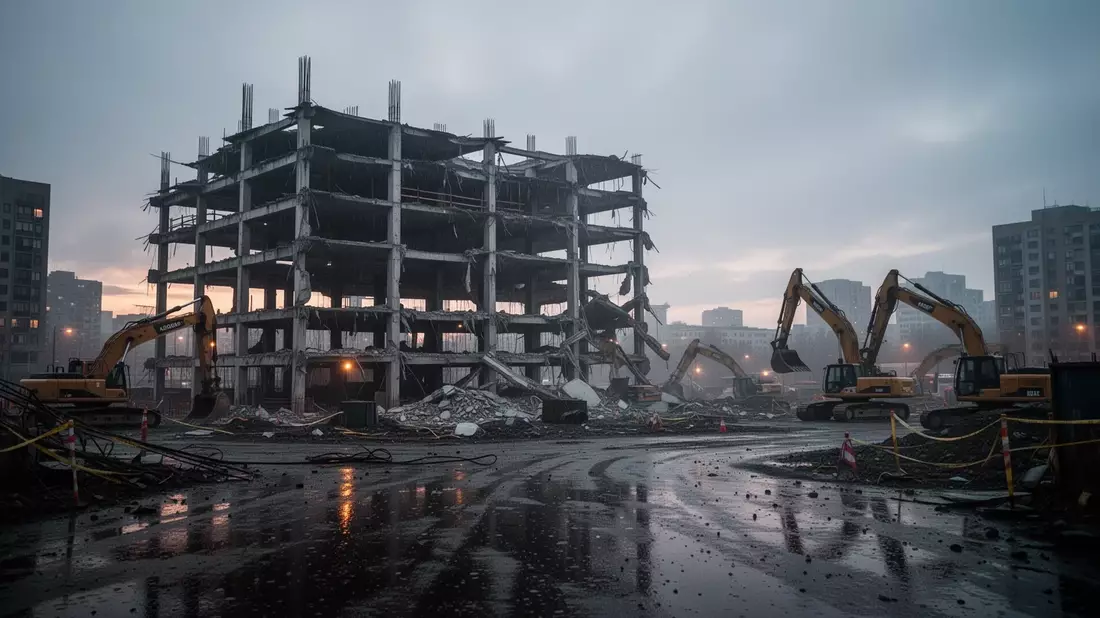
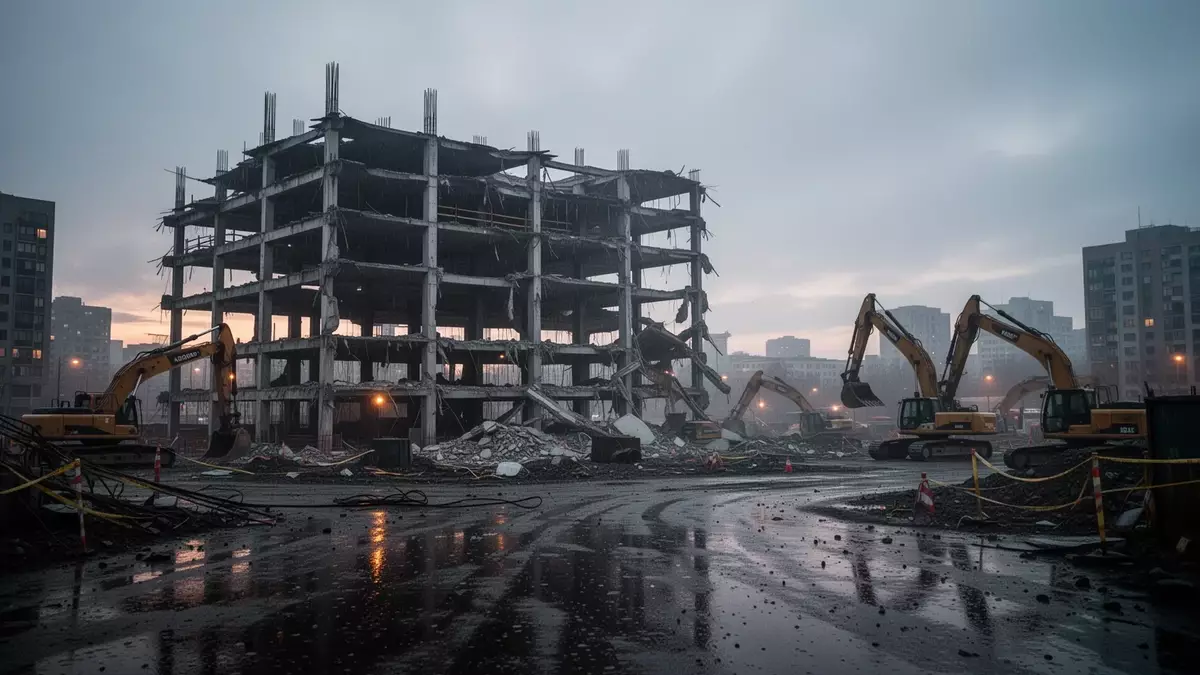
A devastating building collapse at a waste-to-energy facility in Moshi, Pune, has claimed nine lives and prompted the Maharashtra government to establish a high-level technical inquiry committee. The three-storey structure at the Antony Lara Renewable Energy plant gave way on July 8, triggering an 84-hour rescue operation that concluded on July 13 when the final missing victim was recovered from beneath a heap of garbage.
While 14 people were rescued alive, the tragedy has exposed serious regulatory failures and set off a chain of legal and administrative actions that carry significant implications for employers across India's construction and industrial sectors.
The Pune case is a stark reminder of what can happen when risk assessments and safety documentation are neglected. Many employers underestimate how easily gaps in health and safety procedures can lead to catastrophic failures. A free Risk Assessment Toolkit provides 41 ready-to-use templates and checklists to help businesses document hazards, comply with regulations, and protect their workforce. Download the free Risk Assessment Toolkit
Preliminary Findings Point to Multiple Violations
Initial investigations by the Pimpri-Chinchwad Municipal Corporation (PCMC) have revealed that the building was constructed in breach of several safety and zoning regulations. Although the structure stood three storeys high, it reportedly held an occupancy certificate only for the ground floor. The additional floors were built without the necessary approvals.
Perhaps most concerning, the building was located just 12 metres from a landfill — far short of the mandatory 30-metre buffer zone required by law. The operating company, Antony Lara Renewable Energy Pvt Ltd, has described the collapse as an "act of God" triggered by heavy rains. Local authorities have taken a different view, filing a First Information Report for culpable homicide and pursuing criminal proceedings.
Committee to Investigate Within Tight Timeline
The state government's inquiry committee is headed by Pune divisional commissioner Sheetal Teli-Ugale and includes experts from IIT Bombay and the Maharashtra Pollution Control Board. It has been instructed to submit a preliminary report within one month, with a final report due in two months.
In parallel, the PCMC has taken disciplinary action against its own staff. Commissioner Vijay Suryawanshi issued show-cause notices to chief engineer Sanjay Kulkarni and executive engineer Yogesh Alhat for negligence. Both officials have been removed from their current duties and face potential suspension depending on their formal responses.
Corporate Response and Compensation
Antony Waste Handling Cell, the parent company, saw its shares fall by approximately 4% in the wake of the disaster. The firm has announced a compensation package of Rs 25 lakh for the families of each deceased worker, along with a commitment to provide employment to one family member per victim and cover the educational expenses of their children.
Operations at the Moshi plant remain suspended pending a full safety assessment.
Wider Pattern of Construction Failures
The Pune disaster is not an isolated incident. On the same day the rescue operation concluded, a worker died following a slab collapse at an under-construction building in Tilak Nagar, Delhi, while three labourers were injured in a similar collapse in Noida's Sector 33.
The recent £30,000 fine handed to a UK scaffolding firm after a 2023 tower collapse shows that enforcement is real and the cost of non?compliance can be severe. To help employers meet their legal duties, a comprehensive Health & Safety Toolkit offers ready?to?use risk assessments, checklists and toolbox talks covering key regulations like COSHH and PUWER. Get the free Health & Safety Toolkit
A separate government inquiry recently held contractors, consultants, and the employer responsible for a 2025 cofferdam collapse at the Tarbela-5 hydropower project. That investigation found that unauthorised design changes led to the failure, tripling project costs to Rs 317 billion and delaying completion to June 2028.
Internationally, a UK scaffolding firm was fined more than £30,000 on July 13 for a 2023 tower collapse in Putney caused by incorrect assembly and lack of training. In Taiwan, a Hsinchu court recently sentenced construction executives to 3.5 years of imprisonment for unauthorised design changes that led to multiple sinkholes at a development project in Zhubei.
The pattern across these cases is clear: unauthorised structural changes, inadequate oversight, and a failure to enforce basic safety standards are recurring factors in catastrophic building failures. The Pune inquiry's findings will be closely watched by employers and regulators alike.
Disclaimer regarding our articles: No investment advice, no buy or sell recommendation. Information on prices, companies, and markets is provided without guarantee; changes are possible at any time. Stock market transactions can lead to substantial losses. Our articles are created and reviewed in whole or in part automatically with the support of AI.