Rheinmetall's 41% Rout: When a CEO's €4 Million Bet Couldn't Offset a €12 Billion Blow
Published on 06/25/2026 at 20:06 | Redaktion boerse-global.de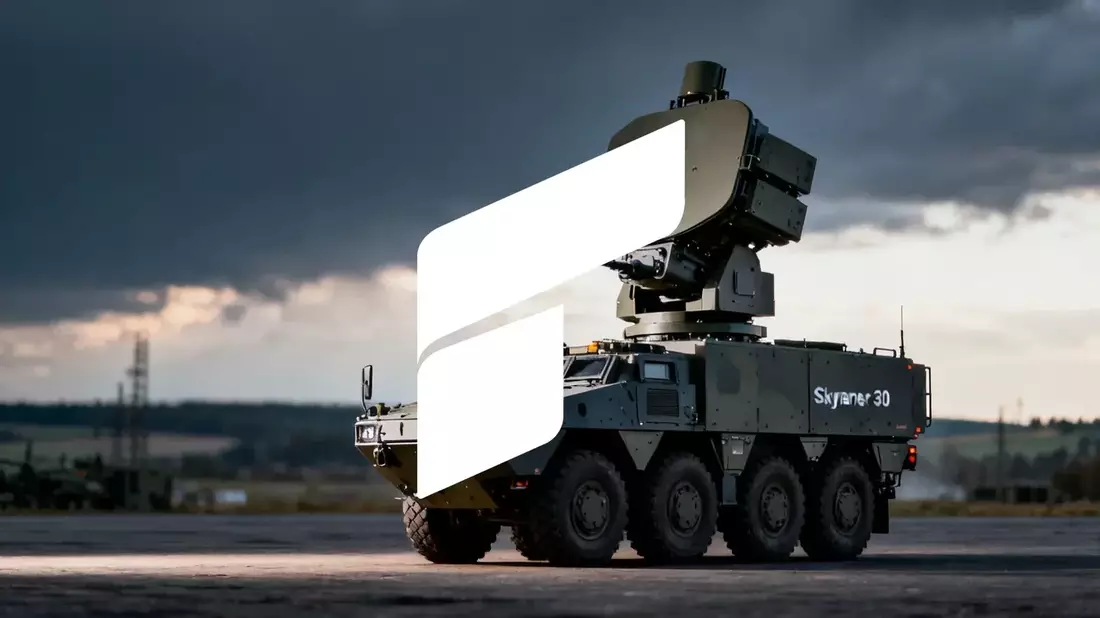
The defence sector's biggest casualty this year hasn't been a battlefield loss — it's been Rheinmetall's market cap. The German arms maker has shed over two-fifths of its value since January, with the shares plumbing a 52-week low of €902.50 on Thursday before recovering slightly to €944.10. Behind the slide lies a story of shattered expectations, a botched warship deal, and a market that is no longer buying narrative.
Investors have been handed two clear signals that the old playbook no longer works. First, the German defence ministry abruptly pulled the plug on the F126 frigate programme, handing the contract to rival Thyssenkrupp Marine Systems instead of Rheinmetall's naval division. The lost opportunity is valued by analysts at roughly €12 billion — a gaping hole in a growth story that once seemed unstoppable. Second, just two days before the F126 news broke, Rheinmetall CEO Armin Papperger snapped up €4 million worth of his own company's stock. The insider buy was meant to signal confidence; instead, it was obliterated by Wednesday's rout.
The sheer speed of the sell-off is alarming. Over the past seven trading days, the stock has cratered nearly 20%, accelerating a decline that already stood at 41% for the year. Technical indicators confirm the severity: the relative strength index registered 23.9 on one measure and 24.2 on another, both deep in oversold territory. Yet no bounce has materialised, because the market is asking a fundamentally different question than it was a year ago.
Rheinmetall is in the midst of a strategic transformation that should, in theory, simplify its investment case. The company has signed a binding agreement to sell its automotive division, though the transaction won't close until the fourth quarter of 2026 — pending regulatory approvals. Once completed, Rheinmetall will be a pure-play defence contractor, free from the cyclical drag of civilian auto parts. For now, however, the deal remains a hanging process, and the market is applying a hefty discount for that uncertainty.
Should investors sell immediately? Or is it worth buying Rheinmetall?
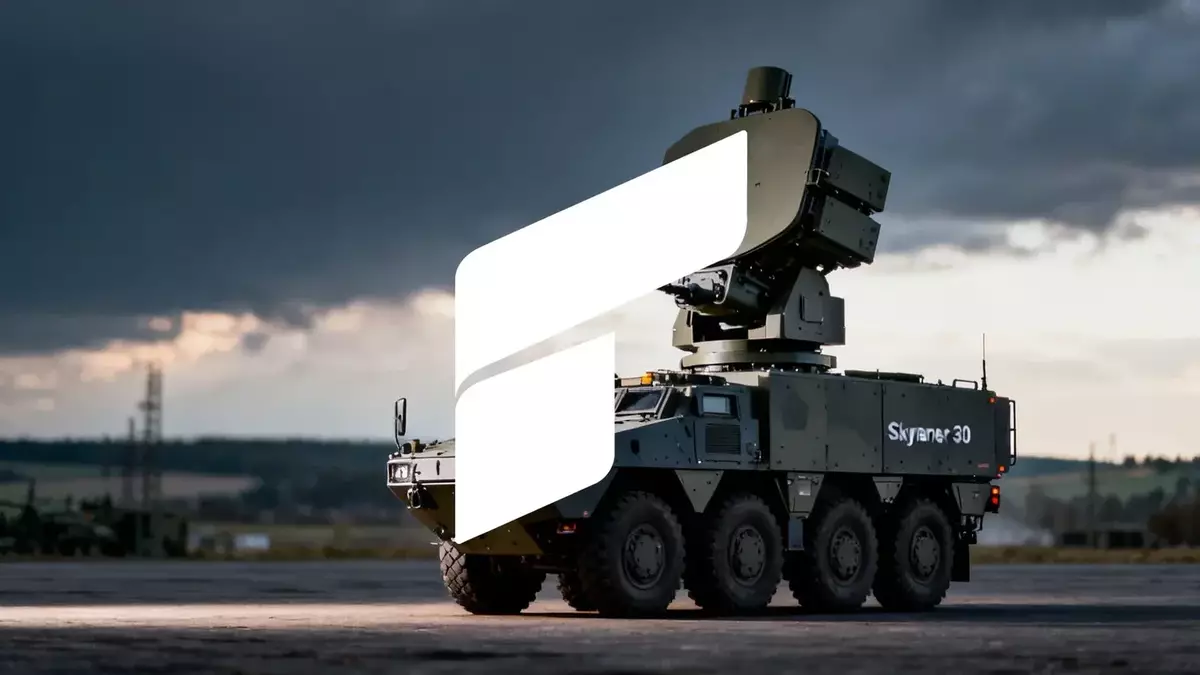
The pure defence thesis does have tangible evidence to support it. Romania recently ordered Skyranger 35 air-defence systems, which Rheinmetall frames as a contribution to NATO's eastern flank. In Greece, the company's Land Systems division struck a long-term strategic framework agreement with GEK TERNA. And in the space domain, Rheinmetall and OHB have jointly submitted a bid for the SATCOMBw-4 programme, via their OHB Rheinmetall Space Networks joint venture. These are real orders, covering air, land, and now space — exactly the multi-domain pivot management has been selling.
But the market is no longer rewarding announcements. The 50-day moving average sits at €1,248.75, a full 24% above the current price. Even with a record order backlog of €73 billion and a 2026 revenue target of up to €14.5 billion, Rheinmetall's shares have proved stubbornly resistant to positive news. Annualised 30-day volatility of 67.56% underlines the risk; every upward flicker is met with selling pressure.
The bear case, meanwhile, has gained traction. With Rheinmetall becoming a purer defence stock, its valuation is now directly exposed to the vagaries of government budgets, political shifts, and project execution. The F126 cancellation is a case in point: a single political decision wiped out roughly a sixth of the company's potential future revenue stream. Moreover, the looming initial public offering of rival KNDS is threatening to rotate capital within the sector, potentially compressing Rheinmetall's multiples further if another large European defence name becomes investable.
Rheinmetall at a turning point? This analysis reveals what investors need to know now.
At €902.50, the stock is clinging to a critical support level. If that floor gives way, the bearish scenario — where the entire defence-sector premium is repriced lower — would become the base case. The next major test comes on August 6, when Rheinmetall reports its first-half results. Management will need to demonstrate not just that orders are flowing, but that they are converting into cash flow and margins at an acceptable pace. Until then, the market seems to be saying: show us, don't tell us.
Ad
Rheinmetall Stock: New Analysis - 25 June
Fresh Rheinmetall information released. What's the impact for investors? Our latest independent report examines recent figures and market trends.
Disclaimer regarding our articles: No investment advice, no buy or sell recommendation. Information on prices, companies, and markets is provided without guarantee; changes are possible at any time. Stock market transactions can lead to substantial losses. Our articles are created and reviewed in whole or in part automatically with the support of AI.