Siemens Energy Demands a 15% Down Payment for Turbines as Data Centers Drive a Quarter of Orders
Published on 06/15/2026 at 22:14 | Redaktion boerse-global.de
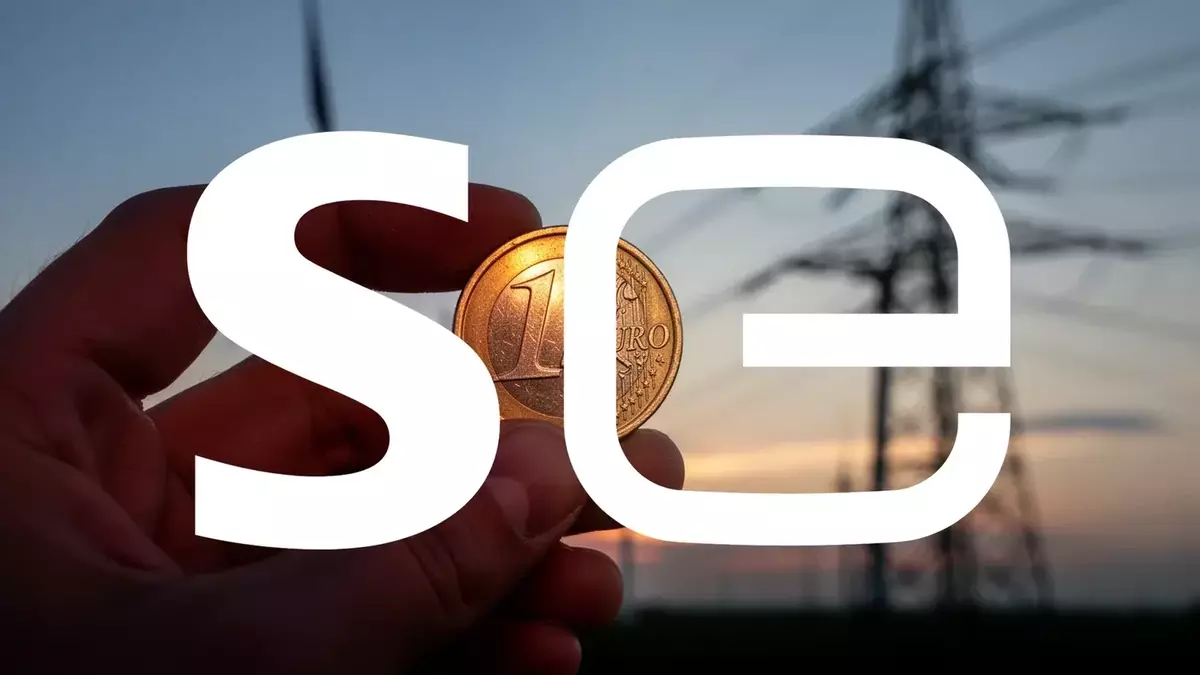
Siemens Energy is flexing its market power in the gas turbine business, requiring customers to put up as much as 15% of the purchase price just to secure a production slot. The move reflects the company’s strong negotiating position amid a surge in demand from data centers powering the global artificial intelligence boom.
More than a quarter of the orders in Siemens Energy’s gas services division now come from electricity supply for server farms, with the United States accounting for nearly half of that volume. The company’s existing order backlog of 87 gigawatts promises a long-term revenue stream, and over the next two decades the firm expects to generate around €35 billion from maintenance and service contracts. To keep up with demand, Siemens Energy is rapidly expanding its manufacturing plants.
The reservation fee gives customers a guaranteed production window, but it also underscores how tightly the Munich-based company controls the supply of a critical component in the race to build AI infrastructure. The biggest technology players — Alphabet, Meta, Amazon and Microsoft — are pouring capital into data center capacity. Analysts estimate the tech giants’ combined investment will exceed $900 billion by 2027, with roughly $800 billion earmarked for 2026 alone.
Should investors sell immediately? Or is it worth buying Siemens Energy?
Yet even as Siemens Energy’s turbines become a hot commodity, Chief Executive Christian Bruch has issued a stark warning about the home market. Germany currently has about 3 gigawatts of data center capacity, of which only 500 megawatts are suitable for AI workloads. Planned additions could bring that figure to 6 GW, but Bruch questions whether that will be enough. He points to the halted Edgeconnex data center project near Frankfurt, which collapsed over disputes surrounding a planned gas power plant. Meanwhile, Softbank is investing $50 billion in France — money that could have gone to Germany.
The problem extends beyond Germany’s borders. European Union energy commissioner Dan Jörgensen aims to expand the bloc’s data center capacity from 12 GW to 28 GW by the early 2030s. The sector’s electricity consumption, now 2.5% of the EU total, could double by 2030. Ireland offers a glimpse of the future: data centers already consume over 20% of the country’s electricity and roughly 50% in the Dublin area. Globally, the International Energy Agency expects data center power use to reach 950 terawatt-hours by 2030, double today’s level.
Siemens Energy is also rewarding shareholders as it rides the wave. Since early June, the company has bought back more than 933,000 of its own shares, with nearly 700,000 added in the past week alone. The stock has gained roughly 27% since the start of the year, recently trading around €155. That leaves it well above its 200-day moving average but still more than 20% below the April high of €195.54. Analysts see further upside, with a consensus price target of €186.30.
The next major test for investors comes on August 5, 2026, when Siemens Energy reports second-quarter results. The data center share of orders will be under close scrutiny, along with any update on the company’s capacity expansion and the impact of the new reservation fee policy. For now, the combination of AI-driven demand, a strong service backlog, and a disciplined buyback program has the market’s attention, even if the stock has yet to reclaim its earlier highs.
Ad
Siemens Energy Stock: New Analysis - 15 June
Fresh Siemens Energy information released. What's the impact for investors? Our latest independent report examines recent figures and market trends.
Disclaimer regarding our articles: No investment advice, no buy or sell recommendation. Information on prices, companies, and markets is provided without guarantee; changes are possible at any time. Stock market transactions can lead to substantial losses. Our articles are created and reviewed in whole or in part automatically with the support of AI.