Silica Dust Exposures on Major Australian Tunnel Projects Revealed in Confidential Reports
Published on 07/26/2026 at 22:38 | Redaktion boerse-global.de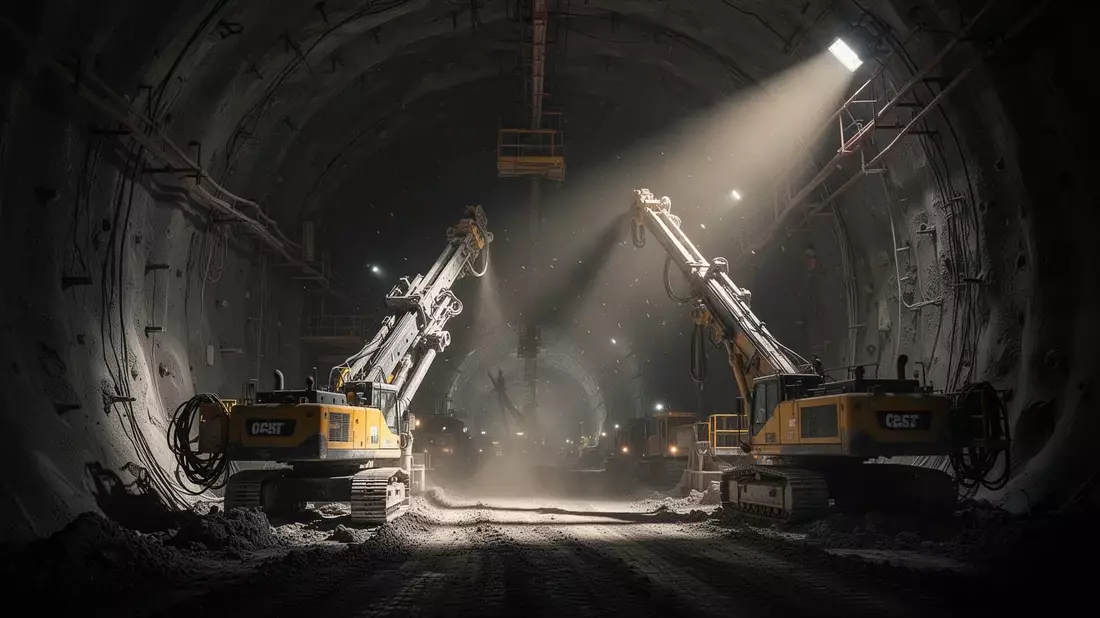
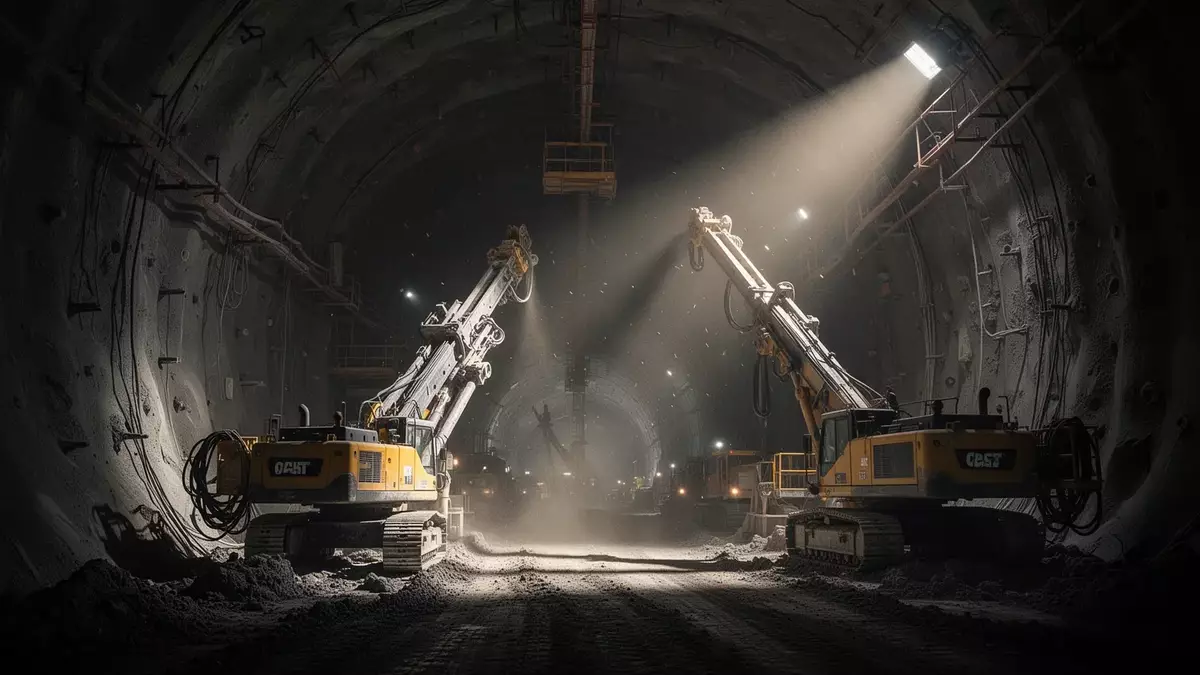
Confidential air quality reports have exposed repeated and severe breaches of workplace safety standards for crystalline silica dust on major Australian infrastructure projects, with workers exposed to levels up to 11 times the legal limit. The findings, drawn from more than 100,000 pages of data released after a three-year legal battle, raise serious questions about the adequacy of dust monitoring and worker protection on multi-billion-euro transport schemes.
Legal Victory Forces Release of Safety Data
The data became public after a tribunal ruled in favour of occupational hygienist Kate Cole, who sought the release of air sampling results from several high-profile projects. The reports focus heavily on Brisbane’s Cross River Rail, a project valued at approximately $19 billion.
Analysis of 375 air sampling results from that project between 2020 and 2021 found at least 55 instances where dust levels breached mandatory limits. In one recorded case, the exposure level reached 11 times the workplace standard. Similar violations were noted in leaked notices and reports from major tunnel projects in New South Wales and Victoria.
A consortium of contractors — including CPB, BAM, Ghella and UGL — had opposed the release of these documents. The data stops in March 2021, and the legal proceedings to secure its transparency lasted several years.
When hazardous substances like crystalline silica are present on site, a thorough risk assessment is your first line of defence. Yet many employers struggle to keep their documentation compliant and up to date. A free toolkit with 43 ready-to-use templates and checklists helps you fulfil your legal duties under COSHH regulations without hours of paperwork. Get the free COSHH Risk Assessment Toolkit
Gaps in Monitoring Raise Concerns
The review of the safety reports highlighted significant concerns regarding how air quality was monitored on-site. According to the findings, approximately 44% of the air sampling was conducted during periods when high-dust activities were not occurring. This suggests that the recorded breaches may not represent the full extent of worker exposure during peak construction phases.
Silicosis, an incurable and potentially fatal lung disease caused by the inhalation of crystalline silica dust, is a primary concern for workers in mining, stone processing and tunnel construction. Occupational health experts emphasised that the disease is entirely preventable if proper controls — such as water suppression and respiratory protective equipment (RPE) — are strictly maintained.
Global Scrutiny of Silica Risks Intensifies
The revelations in Australia coincide with increased regulatory scrutiny of silica-related hazards globally. In the United Kingdom, the Health and Safety Executive (HSE) recently ordered four firms to cease activities involving engineered stone due to the risks of silicosis. HSE head Harvey Wild noted that the disease remains a significant threat when proper controls are absent, citing the case of a 28-year-old worker who recently died from the condition.
The UK regulator currently requires firms working with silica-containing materials to use low-silica alternatives, water suppression systems and mandatory health surveillance for staff. Minister Sir Stephen Timms has expressed support for these enforcement actions to ensure workplace safety.
Keeping up with evolving workplace safety regulations can feel overwhelming, but you don't have to start from scratch. A free Health & Safety Toolkit provides ready-made risk assessments, checklists, and toolbox talks covering key UK legislation — so you can focus on protecting your team rather than wrestling with paperwork. Download the free Health & Safety Toolkit
While silica dust remains a chronic health threat, acute safety risks in tunnel construction were also highlighted by a recent disaster in India. On July 20, 2026, an explosion at the Teesta Stage-VI Hydropower Project tunnel in Sikkim resulted in 25 fatalities. Initial investigations suggest a buildup of methane gas and inadequate ventilation contributed to the incident, following months of worker complaints regarding underground air quality and safety standards.
Disclaimer regarding our articles: No investment advice, no buy or sell recommendation. Information on prices, companies, and markets is provided without guarantee; changes are possible at any time. Stock market transactions can lead to substantial losses. Our articles are created and reviewed in whole or in part automatically with the support of AI.