Silver's Hawkish Fed Headwind Collides With a Sixth Year of Structural Supply Deficit
Published on 07/25/2026 at 13:22 | Redaktion boerse-global.de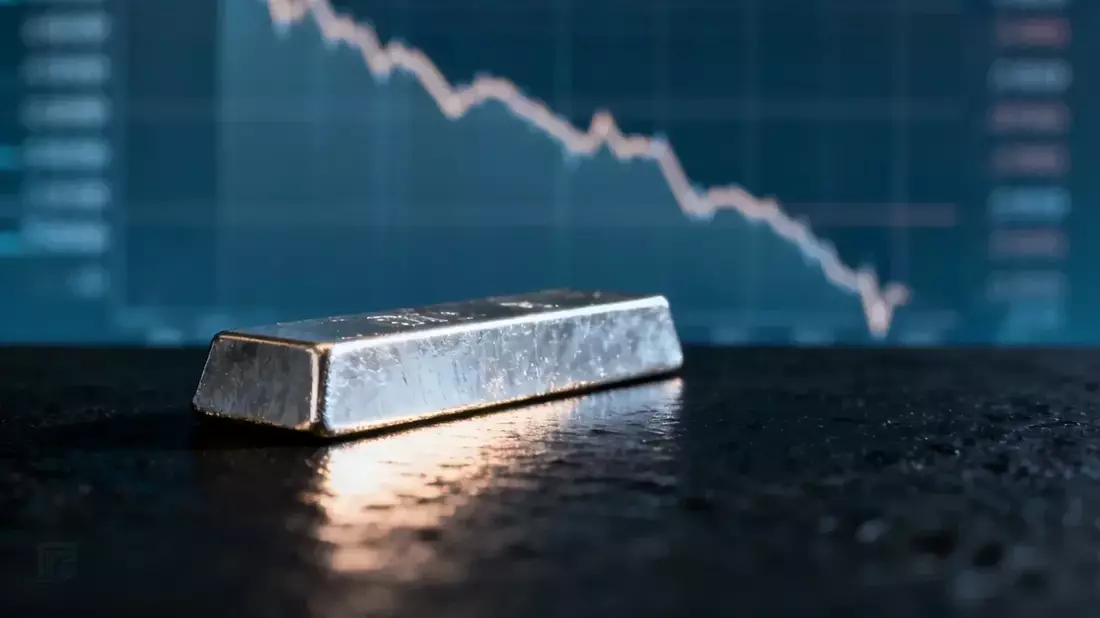
The silver market is caught in a tug-of-war between two powerful forces: a Federal Reserve that has pivoted decisively hawkish and a physical supply deficit that is now entering its sixth consecutive year. The result has been a volatile trading environment where short-term macro pressure is repeatedly clashing with long-term structural support.
A Hawkish Shock Reshapes the Near-Term Outlook
The most immediate catalyst for the metal's recent weakness came from the US central bank. Under Chairman Kevin Warsh, the Fed has shifted to a markedly more hawkish stance, catching many investors off guard. The CME FedWatch Tool now shows an 82.1% probability of another rate hike in September, a dramatic reversal from just weeks ago when markets were pricing in imminent rate cuts.
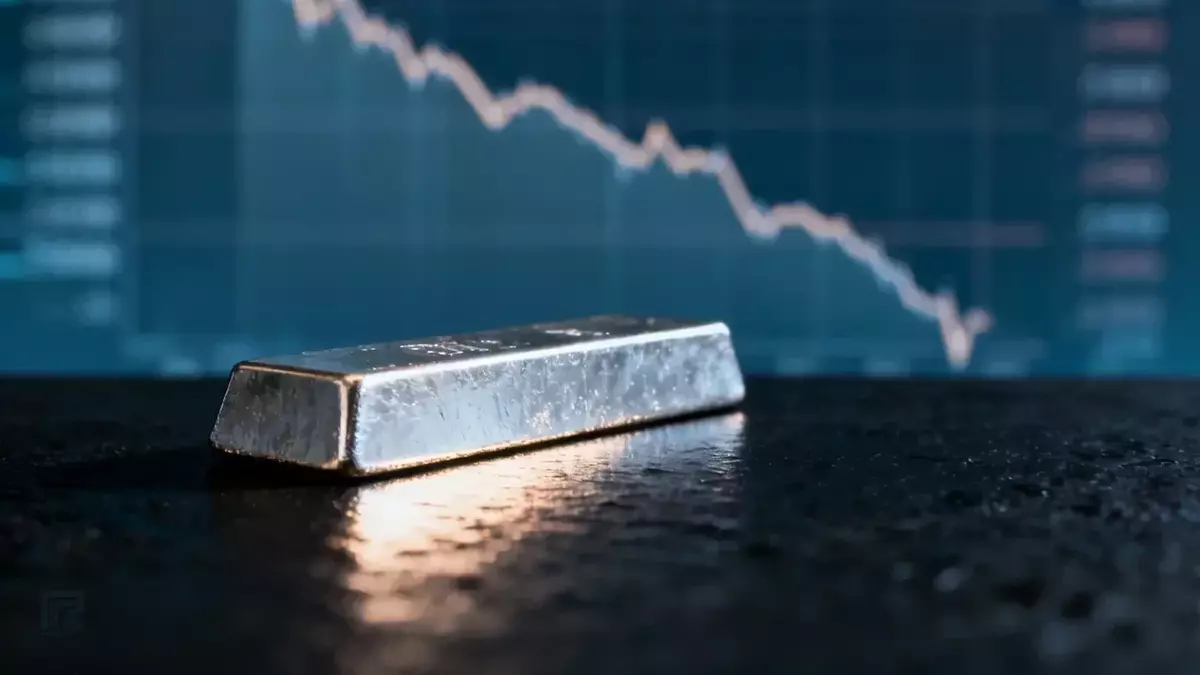
The impact on silver was swift and severe. The metal shed 3.54% on Friday alone, closing at $57.90 per ounce. For a zero-yield asset like silver, rising interest rates are a direct headwind. The yield on 10-year US Treasuries has climbed to roughly 4.7%, making non-interest-bearing precious metals less attractive to yield-seeking investors. The US dollar has strengthened in tandem with the tightening cycle, adding further pressure.
The technical picture reflects the damage. Silver now trades 11.32% below its 50-day moving average of $65.29. The Relative Strength Index stands at 42, signaling waning buying momentum without yet reaching oversold territory.
Should investors sell immediately? Or is it worth buying Silber Preis?
The Deficit That Won't Go Away
Yet beneath the surface of this rate-driven sell-off, a fundamental supply story continues to build. The Silver Institute projects a global supply deficit of 46.3 million ounces for 2026, marking the sixth consecutive year of structural shortfall. Cumulative outflows from the market since 2021 have reached 762 million ounces.
The deficit is rooted in a production bottleneck. Silver is predominantly mined as a byproduct of copper, lead, and zinc operations, meaning producers cannot easily ramp up output in response to price signals. Mine supply remains stubbornly flat.
On the demand side, the picture is more nuanced. The solar industry alone is expected to consume roughly 151 million ounces of silver in 2026, though some manufacturers are beginning to substitute copper for silver in photovoltaic applications due to elevated prices. This substitution effect could reduce solar-sector demand by approximately 19% next year. Meanwhile, demand from AI data centers, electric vehicles, and semiconductor fabrication continues to grow, providing an industrial floor for the metal even when investor interest wanes.
Wall Street's Long-Term Optimism Remains Intact
Despite the near-term price pressure, major investment banks are holding firm on their bullish long-term forecasts, though the divergence in their targets reveals considerable uncertainty about the pace of the expected rally.
Bank of America has set a price target of $135 per ounce for 2026, while J.P. Morgan sees the metal averaging around $81 for the full year. UBS has penciled in a year-end 2026 target of $80, though the bank recently revised its deficit forecast downward to account for the solar-industry substitution effects. Goldman Sachs, meanwhile, projects a range of $85 to $100, contingent on further geopolitical escalation or a renewed acceleration in inflation.
The wide gap between these targets — from $81 to $135 — illustrates just how differently market participants view the speed of the anticipated price appreciation, even as they agree on the direction.
A Market in Two Time Frames
For the immediate future, the Fed's policy trajectory will dominate price action. The central bank's upcoming rate decision is expected to weigh on sentiment across the precious metals complex, even if no change is expected at the next meeting. The combination of persistent inflation — fueled by elevated energy costs linked to conflicts in the Red Sea and with Iran — leaves the Fed with little room to signal accommodation.
Silber Preis at a turning point? This analysis reveals what investors need to know now.
Chartists are watching the $60 level as a critical threshold. A sustained breakout above that mark would be necessary to mount a challenge on the year's highs. On the downside, the $57 region has held as support, but a break below that level would open the door to $55.
The week's modest gain — silver closed at $58.49 on Friday, up 4.04% for the week — suggests some stabilization, but the move is modest relative to the severity of the preceding correction. The metal remains roughly 52% below its year-to-date high of $121.78, reached in late January, when a different set of macro conditions prevailed.
For investors, the message is clear: the Fed's interest rate policy is dictating the near-term tempo, but the structural deficit is setting the long-term direction. The question is which force will ultimately prevail.
Ad
Silber Preis Stock: New Analysis - 25 July
Fresh Silber Preis information released. What's the impact for investors? Our latest independent report examines recent figures and market trends.
Disclaimer regarding our articles: No investment advice, no buy or sell recommendation. Information on prices, companies, and markets is provided without guarantee; changes are possible at any time. Stock market transactions can lead to substantial losses. Our articles are created and reviewed in whole or in part automatically with the support of AI.