UK Government Expands Cladding Remediation to Shorter Buildings in Major Safety Push
Published on 07/13/2026 at 07:07 | Redaktion boerse-global.de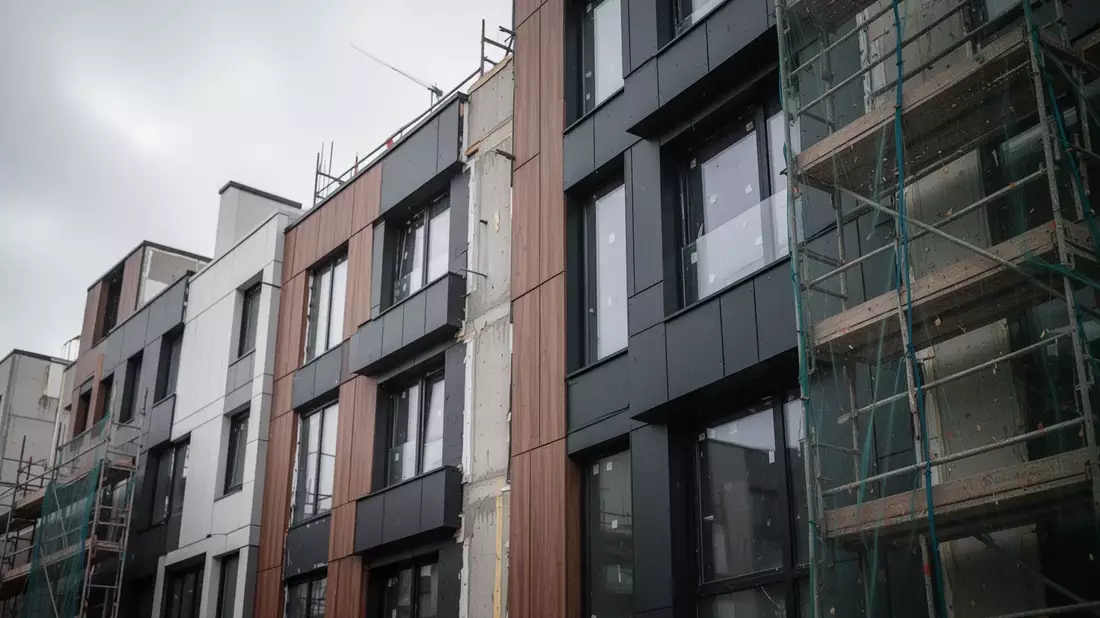
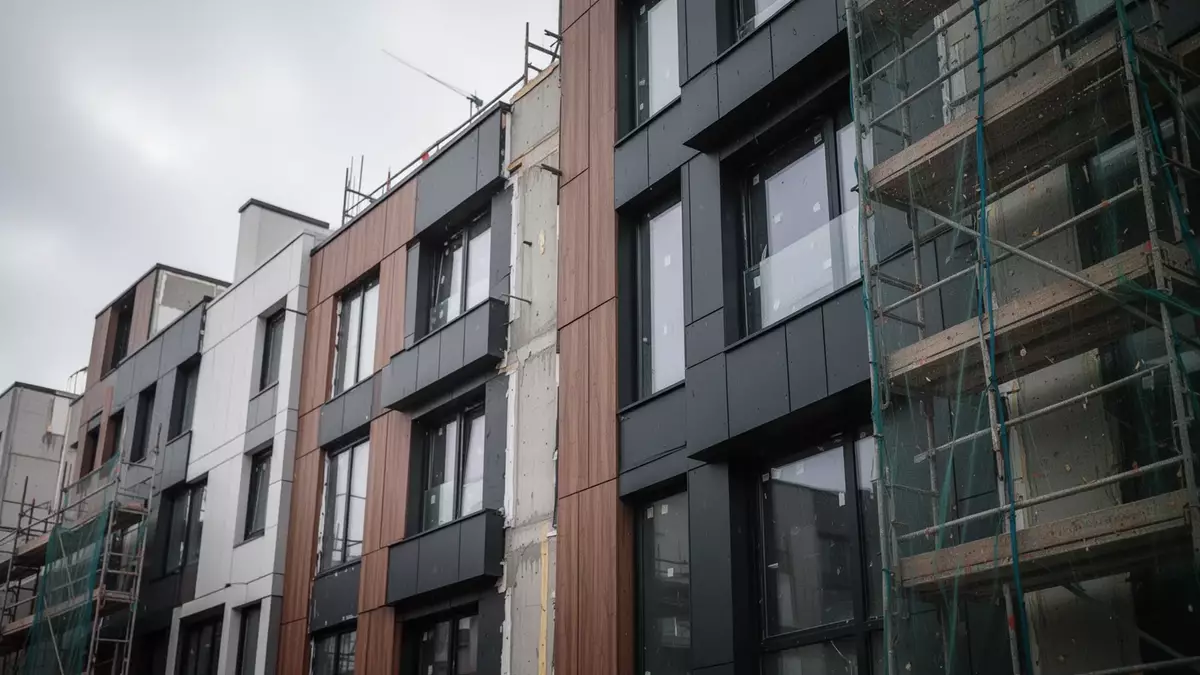
The Ministry of Housing, Communities and Local Government (MHCLG) has announced a significant expansion of the UK's building safety programme, extending cladding remediation funding to residential structures under 11 metres in height. The move, announced on July 13, 2026, marks a departure from previous policies that focused almost exclusively on buildings 11 metres and taller, as the government seeks to tackle unidentified fire-safety risks in the nation's housing stock.
New Funding Window Opens in August
Under the updated Cladding Safety Scheme (CSS), applications for remediation funding for shorter buildings will open on August 17, 2026. The government has set an eight-week submission window and will use a risk-based prioritisation system to manage the expected influx of requests.
This extension forms part of a broader Remediation Acceleration Plan. Government data shows that by May 2026, 2,331 of the 4,411 buildings over 11 metres with known unsafe cladding had either started or completed remediation works. However, recent estimates suggest as many as 7,000 unsafe buildings remain unidentified, affecting roughly 3 million leaseholders across the country.
With thousands of buildings still carrying unidentified fire-safety risks, making sure your own workplace fire protection is up to date has never been more important. A free Fire Safety Toolkit provides everything you need — from risk assessments and evacuation plans to fire extinguisher training — to meet UK regulations and protect your people and premises. Download the free Fire Safety Toolkit
To meet long-term safety targets, the government has set a 2029 deadline for full remediation of all buildings over 18 metres, with those in the 11-to-18-metre range required to be completed by 2031.
Tougher Oversight and New Levy on the Way
The Building Safety Regulator (BSR) is preparing to adjust its oversight approach. Current figures show that 66% of Building Assessment Certificate (BAC) applications have been refused, prompting the regulator to introduce a new assessment method from September 2026.
Alongside these changes, the Financial Conduct Authority (FCA) will review insurance premiums for affected buildings. A National Remediation Database is expected to launch in autumn 2026 to improve transparency.
The government plans to fund these measures through the new Building Safety Levy, scheduled for implementation in October 2026. The levy is projected to raise approximately £3.4 billion to cover remediation costs. The announcement follows reports of financial difficulties within existing frameworks, including the loss of £500,000 to fraud in the Building Safety Fund.
Wider Housing and Property Developments
The remediation updates come alongside other major property-sector announcements. On July 13, 2026, a report from the Commons Culture, Media and Sport Committee suggested that reviving unused heritage buildings could provide 670,000 new homes — potentially meeting nearly half of the government's target of 1.5 million new dwellings by 2029. The committee recommended a "heritage-to-housing" scheme involving tax incentives and VAT relief for maintenance.
As the government drives forward major building and housing programmes, effective risk management remains a cornerstone of workplace safety. A free Risk Assessment Toolkit with 41 ready-to-use templates and checklists helps you document hazards, meet your legal duties, and protect your workforce — whether you manage a construction site, an office, or a public building. Download the free Risk Assessment Toolkit
The government also announced on July 12, 2026, a plan to use underused NHS land for affordable health-worker housing. The initiative includes a £6.75 billion investment over nine years for hospital repairs, addressing a maintenance backlog currently valued at £15.9 billion.
In the commercial sector, landlords face a separate set of requirements after the government delayed the deadline for commercial property energy efficiency upgrades to 2031. Industry data suggests that more than £600 billion in commercial assets currently require retrofitting to meet the upcoming minimum standards.
Disclaimer regarding our articles: No investment advice, no buy or sell recommendation. Information on prices, companies, and markets is provided without guarantee; changes are possible at any time. Stock market transactions can lead to substantial losses. Our articles are created and reviewed in whole or in part automatically with the support of AI.