US Industrial Incidents Raise Questions on Hazardous Material Storage and Oversight
Published on 07/17/2026 at 08:48 | Redaktion boerse-global.de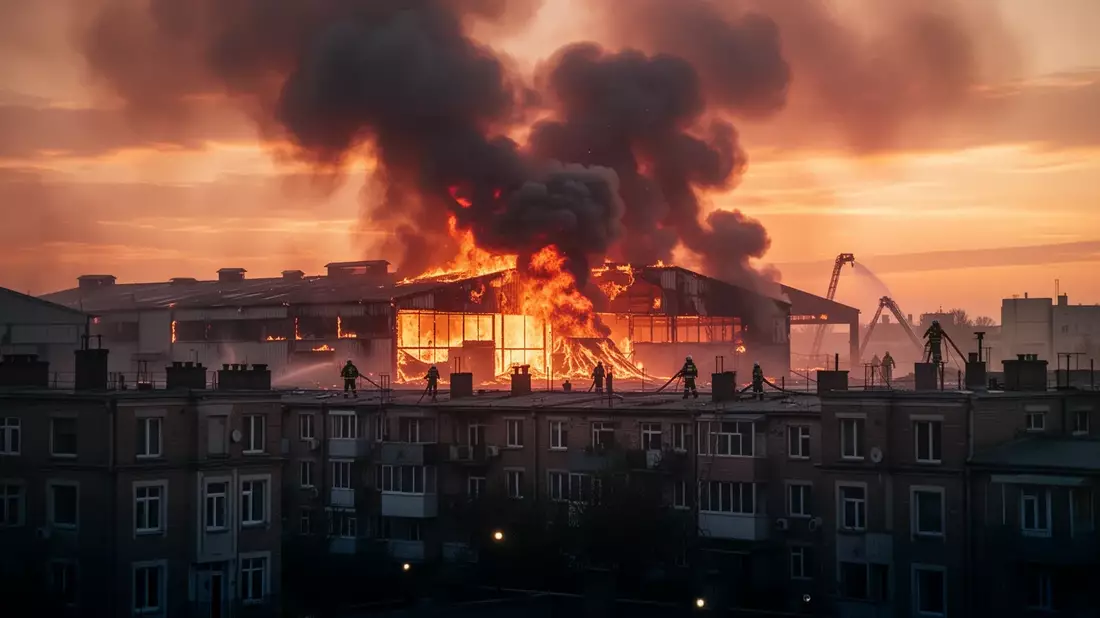
A series of warehouse fires in California and the closure of a chemical recycling plant in North Carolina have intensified scrutiny over the storage of hazardous materials and the effectiveness of environmental oversight. The incidents highlight persistent risks for communities living near industrial zones and raise questions that resonate with UK employers managing hazardous substances under COSHH regulations.
For UK employers handling hazardous substances, these incidents are a stark reminder that a single oversight in COSHH compliance can lead to serious consequences. The free COSHH Risk Assessment Toolkit provides 43 ready-to-use templates, checklists, and toolbox talks to help you document every hazardous material on site and meet your legal duties. Download the free COSHH Risk Assessment Toolkit
Boyle Heights: A Month-Long Environmental Crisis
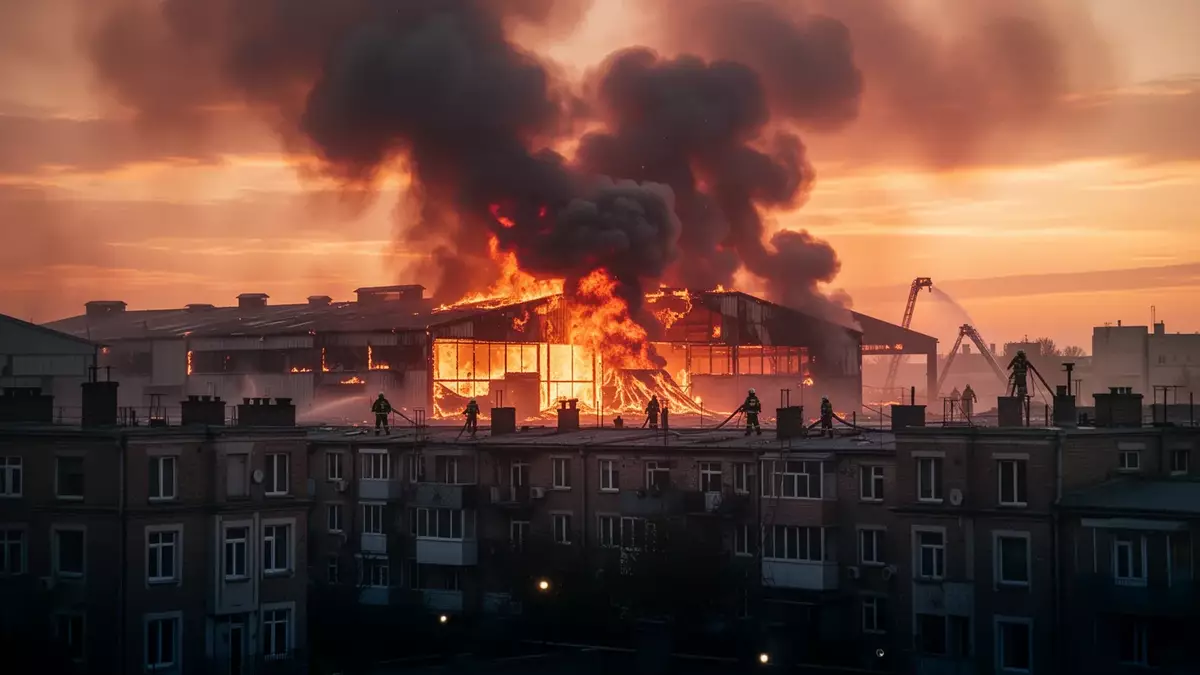
Residents of Boyle Heights, California, are calling on state officials to declare their neighbourhood a disaster zone, a month after a massive fire at a Lineage Logistics cold storage facility. The blaze, which began on June 17 and burned for eight days, has left behind an environmental crisis involving 85 million pounds of rotting food.
The South Coast Air Quality Management District (AQMD) issued an odour violation notice to the company on July 16, citing the stench emanating from the 491,000-square-foot warehouse. Lineage believes the fire may have started during solar panel testing by an Altus Power subcontractor.
Approximately 1.6 million pounds of waste were removed over a three-week period, but the company must significantly increase its daily removal rate to meet a 45-day deadline. The waste is being transported to the El Sobrante Landfill in Corona, a facility that has itself received more than 15 AQMD violation notices for air quality and temperature issues since 2024.
UCLA researchers confirmed on July 16 that the air contains toxins and odour-related compounds from decomposing food. While levels remain below public health emergency thresholds, experts noted that residents are experiencing headaches and respiratory irritation. Local leadership has announced a $1 million commitment for emergency housing assistance through Airbnb, though community members continue to demand long-term health monitoring and a formal evacuation plan.
A Pattern of Safety Concerns
The Boyle Heights incident is part of a broader pattern of industrial safety problems in California. A separate fire at an aerospace facility in Garden Grove recently prompted the evacuation of 50,000 residents due to the release of toxic chemicals. Investigations revealed that both facilities had histories of safety violations prior to these incidents.
In North Carolina, the Braven Environmental chemical recycling plant in Zebulon was shuttered following significant hazardous waste violations. State environmental officials identified the facility as a large-quantity generator of hazardous waste, including benzene, arsenic, and hexavalent chromium. Inspections by the North Carolina Department of Environmental Quality uncovered soil contamination, open drums, and a failure to provide necessary shipping manifests. The department is now planning a comprehensive site assessment to determine the extent of the environmental impact.
West Virginia Fire and Legal Action
In Wood County, West Virginia, a July 16 EPA report confirmed that a warehouse fire at a Peoples Cartage facility released volatile organic compounds and hydrogen cyanide. Although a shelter-in-place order was lifted on July 7 after air readings stabilised, a class-action lawsuit has been filed alleging negligence by the facility operators.
When a warehouse fire involves hazardous materials, the risks multiply — toxic fumes, chemical runoff, and evacuation chaos. The free Fire Safety Toolkit includes a full risk assessment template, evacuation plan, and fire extinguisher training materials to help you prepare for emergencies and stay compliant with UK regulations. Get the free Fire Safety Toolkit
Regulatory Shifts and Accountability
The regulatory landscape is also seeing significant shifts. The Trump administration has moved to provide air pollution exemptions to more petrochemical facilities. Reports from July 16 indicated that the Environmental Protection Agency invited facilities to request exemptions from the Clean Air Act's HON Rule, citing national security or technological limitations. This rule is designed to reduce the cancer risk from air toxics by an estimated 96%. Environmental groups have already initiated legal action against previous exemptions granted to approximately 50 plants.
In other industrial developments, the West Virginia Department of Environmental Protection held a public hearing on July 14 regarding a proposed plastic pyrolysis plant near Belle. Critics have raised concerns about the facility's proximity to a high school and its potential to emit several tons of volatile organic compounds and particulate matter annually.
Disclaimer regarding our articles: No investment advice, no buy or sell recommendation. Information on prices, companies, and markets is provided without guarantee; changes are possible at any time. Stock market transactions can lead to substantial losses. Our articles are created and reviewed in whole or in part automatically with the support of AI.