Amazon's Dual Reality: UBS Backs the AI Story While Rocket Science Stumbles
Published on 11/17/2026 at 16:31 | Editorial boerse-global.de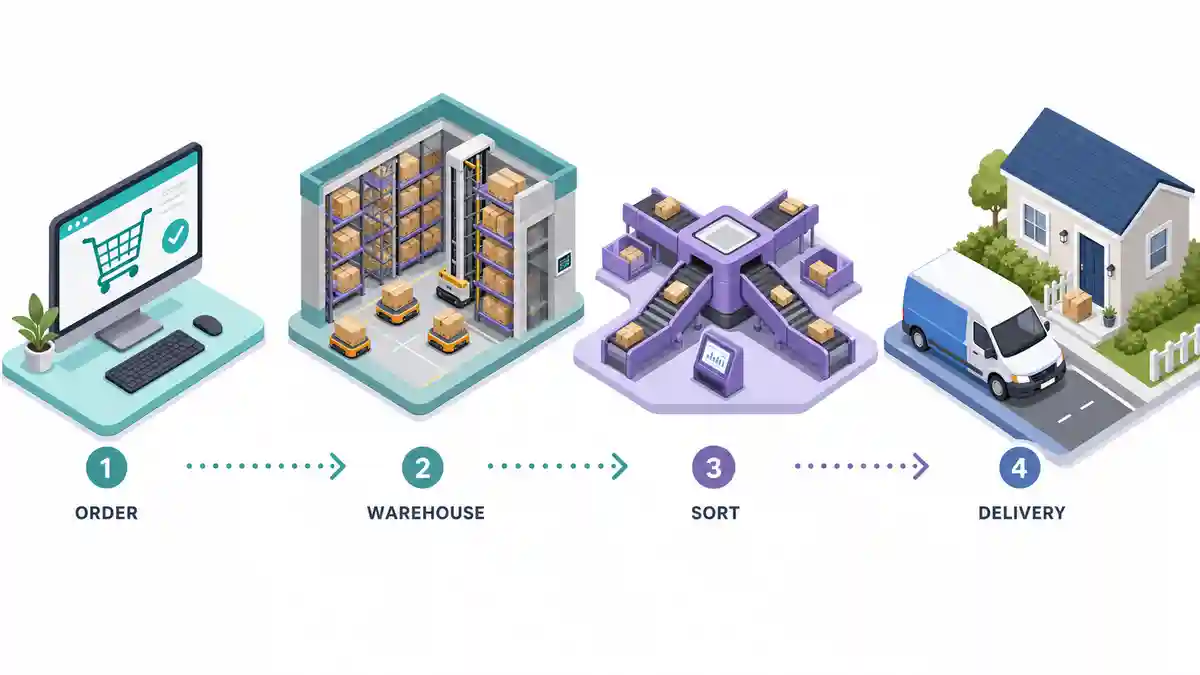
UBS has initiated coverage of Amazon with a Buy rating, according to media reports, pointing to the company's positioning in artificial intelligence. Yet in the same breath, the bank trimmed its growth forecasts for AWS — a pairing that says more about the investment case than either move alone.
The cut applies to the fourth quarter of 2026 and to 2027. UBS is effectively separating its strategic verdict from its near-term business expectations: the Buy rating is not a claim that every short-term assumption should be revised upward. Investors who see only the recommendation miss the caveat; those who fixate on the lowered estimates overlook the conviction in Amazon's AI standing. Both belong together.
Is a compelling AI narrative the same thing as a compelling growth outlook? UBS's answer is nuanced — it grants Amazon the opportunity without extrapolating unlimited confidence in expected AWS growth. That tension is a more useful lens than hunting for an unambiguously bullish or bearish signal.
Concrete Plans, Material Questions
How that opportunity might be realized is visible in eastern Washington state, where Amazon has confirmed it is reviewing two proposed data-center complexes that could together comprise up to 24 buildings. Residents have raised concerns over water demand, electricity needs, noise and environmental impact. These are not confirmed construction decisions, nor do the objections prove delay or failure — but they make plain that the digital growth story runs into very physical questions. What matters is the distinction between a possibility under review and its actual realization; neither a secured growth boost nor a concrete setback can be read into the plans.
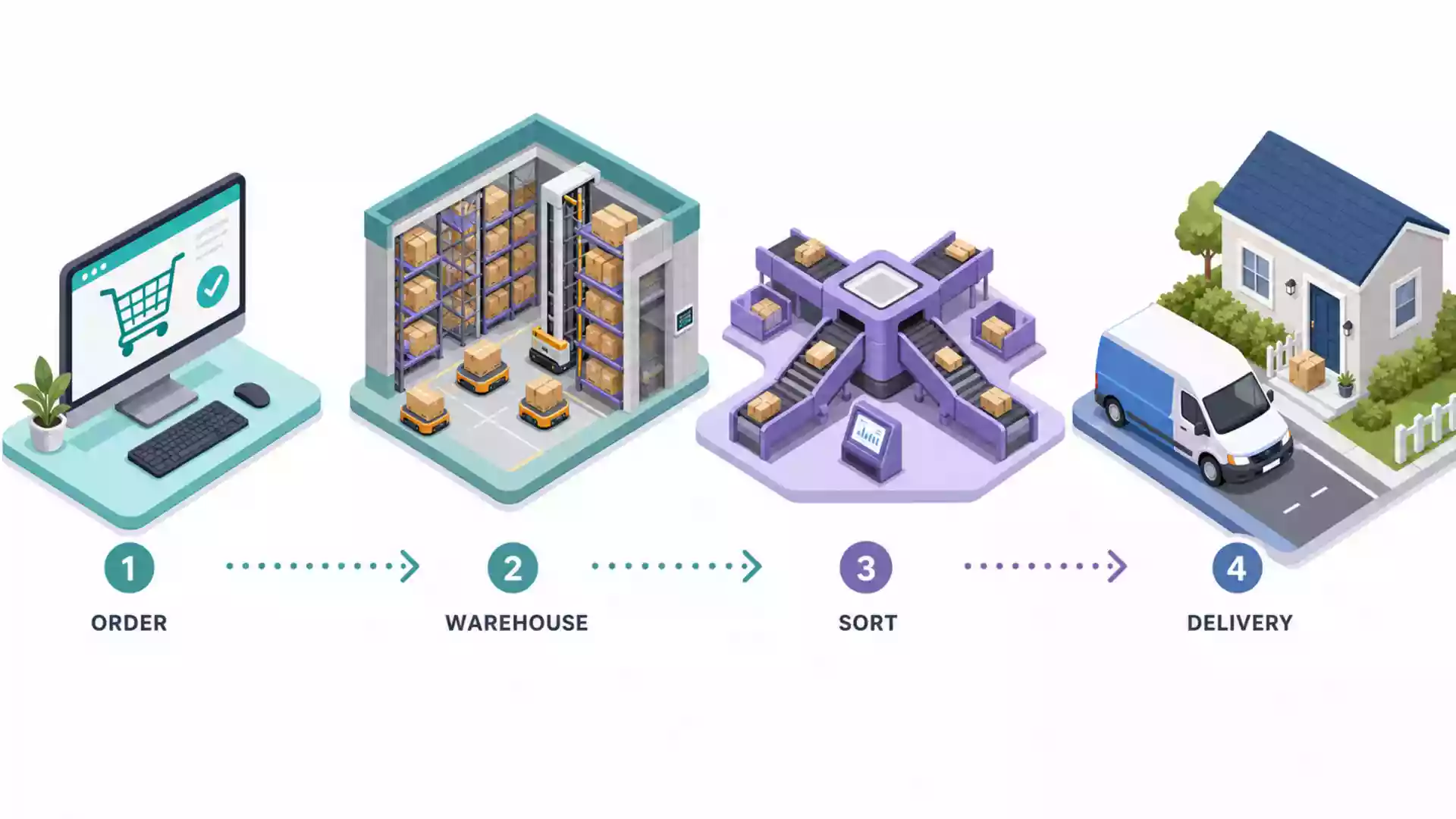
Against those proposals stands a completed expansion of a different kind. Amazon opened its first delivery station in Puerto Rico, in Dorado, serving the greater San Juan area. According to the company, the site creates more than 100 jobs plus roughly 300 positions for delivery drivers — a named facility, a defined service area and tangible employment effects, all less abstract than an AI forecast.
Should investors sell immediately? Or is it worth buying Amazon?
The calendar offers another firm date. Amazon announced on November 9 its Black Friday week and Cyber Monday promotions for the period from November 19 to 30, with millions of deals, more Amazon-exclusive products than ever before and Alexa-powered shopping tools. Announced promotions are not yet sales success, and an opened delivery station is no substitute for an earnings proof — both remind investors that Amazon should be measured on execution in the existing business, not on a future narrative alone.
The Rocket That Didn't Make It
That execution test extends well beyond retail. Amazon is holding to a 2026 commercial launch of its Leo satellite-internet service despite the failure of a rocket launch on Sunday, stating that hundreds of satellites are ready to fly. The Vulcan mission lost 40 Leo satellites when the ULA rocket suffered an anomaly about ten minutes after liftoff; ULA said the cause was initially unknown.
The setback is not confined to the lost payload. Vulcan is central to building out the constellation, so a prolonged halt to flights could also complicate transport of satellites already completed. Amazon has booked 38 Vulcan flights intended to carry nearly 1,500 satellites to orbit — and the failed mission was the first of them. How quickly ULA can resume launching is therefore pivotal. Trade outlet Breaking Defense reports that an investigation could keep Vulcan grounded for months, though no such pause has been confirmed.
A separate Ariane 6 mission carrying 36 Leo satellites is planned for no earlier than November 23, 2026, from French Guiana — the next concrete anchor for the buildout. Using a different launch provider opens an additional transport route, but it does not answer when Vulcan will return. Before the failure, Amazon had expected another Vulcan flight within weeks of a successful run. According to a report by Dawn, Amazon had launched roughly 400 satellites since April 2025, with no further launches since July. The gap shows why the number of finished satellites is not the only figure that counts — the cadence at which available rockets can actually lift them into orbit matters just as much.
A Partner's Calendar Slips
Customer timelines sharpen the pressure. Australian partner NBN Co agreed an eight-year wholesale contract with Amazon in August 2025 covering more than 300,000 locations. The service launch earmarked for that deal has been pushed from the end of 2026 to mid-2027 — a shift affecting the NBN offering specifically, while Amazon keeps its general commercial Leo launch plan intact.
Two layers thus emerge for investors: Amazon's confirmed launch target and the still-uncertain pace of the network rollout. The next Ariane mission and clarity on the Vulcan anomaly will show how durable the schedule really is. Satellites sitting ready for launch do not, on their own, eliminate the transport risk.
The sensible yardstick is neither blind AI enthusiasm nor blanket skepticism. UBS's assessment already carries the more fitting reading: acknowledge the strategic opportunity while scrutinizing growth expectations. At Amazon, the vision, the buildout and the business results have to be weighed separately — only then does a heap of promising possibilities turn into a durable investment case.
Ad
Amazon Stock: New Analysis - 17 November
Fresh Amazon information released. What's the impact for investors? Our latest independent report examines recent figures and market trends.