
Clean Energy ETF's Mixed Tape: Fuel-Cell Momentum Collides With Solar Sector Headwinds
Published on 08/19/2026 at 05:20 | Redaktion boerse-global.de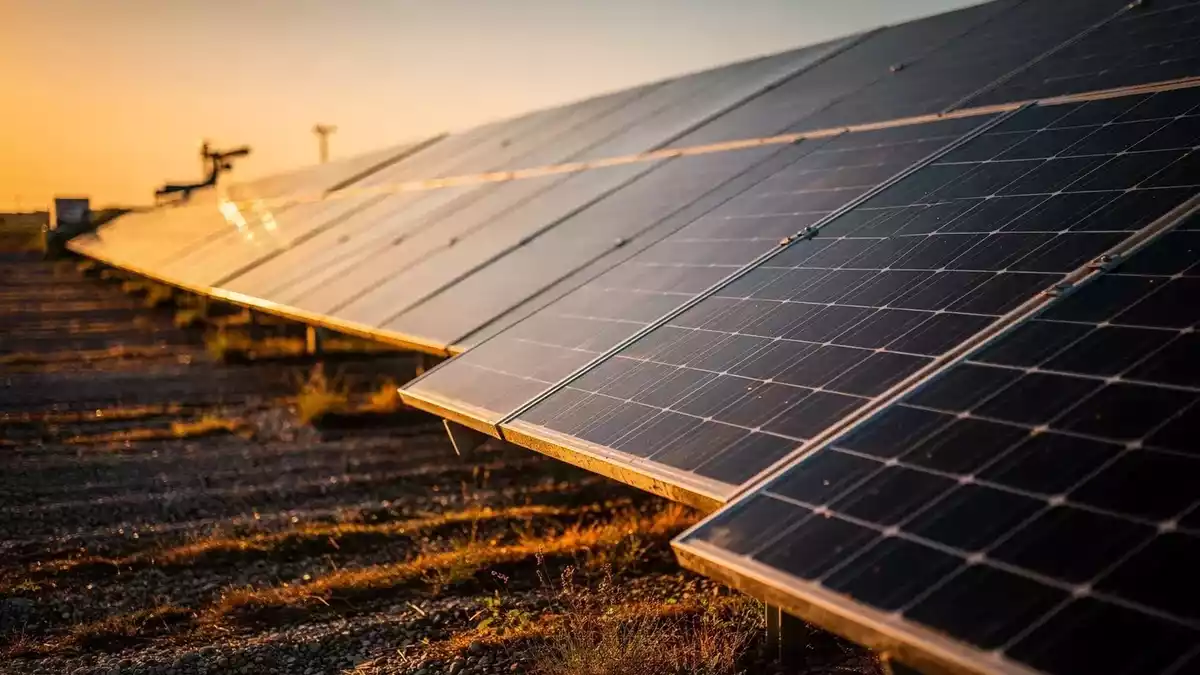
A New Jersey planning committee's late-Tuesday approval of a 300-megawatt data center powered by Bloom Energy fuel cells should have been a catalyst for the iShares Global Clean Energy ETF. Instead, the fund closed the session 2.1% lower at $17.73, extending a seven-day slide of 3.7% and underscoring just how fractured the clean-energy investment landscape has become.
The Vineland approval—passed by an eight-to-one vote after local residents had stalled the project over noise and emissions concerns—clears the way for Bloom Energy to install its electrochemical fuel-cell systems on site. The technology converts natural gas directly into electricity, a workaround that lets data center operators bypass congested grid connections and scale AI infrastructure faster than traditional utility hookups would permit. Bloom Energy, carrying a roughly 7.5% weighting in the fund, now has a template that could accelerate similar projects across the sector.
Yet the ETF's internal dynamics tell a more complicated story. The fund is effectively running at two speeds: fuel-cell and hydrogen names are surging while solar heavyweights are dragging the aggregate performance down.
Divergent fortunes within the portfolio
Should investors sell immediately? Or is it worth buying iShares Global Clean Energy ETF?
Plug Power, a hydrogen specialist with about a 2.9% fund weighting, has been buoyed by strong quarterly results and upgraded 2026 guidance, with margins approaching breakeven on the back of rising green-hydrogen demand. Vestas Wind Systems, meanwhile, lifted its annual forecast after second-quarter revenue jumped 26.1% and secured new US onshore turbine orders totaling 306 megawatts. The Danish manufacturer also announced a share buyback program.
The solar segment tells a different story. Nextracker (roughly 7.7% of the fund) and First Solar (around 8.3%) remain under pressure from shifting US tariff policy and elevated price volatility. That drag has weighed on the fund's 30-day return of negative 2.3%. Canadian Solar did notch a legal win—a US court ruled in its favor in a patent dispute initiated by Maxeon Solar Technologies—but the decision has done little to shift the sector's broader trajectory.
Enphase Energy is attempting its own pivot. The company has opened pre-sales for its IQ Battery C80, an 80-kilowatt-hour commercial storage system using lithium-iron-phosphate chemistry, with first deliveries slated for the first half of 2027. It is also rolling out an integrated solar-plus-storage-plus-EV-charging package in Italy, aimed at grid strain exposed by recent heatwaves. The moves mark Enphase's formal entry into the US commercial storage market.
Policy uncertainty overshadows corporate progress
The disconnect between company-level execution and fund-level performance reflects a policy environment that investors are struggling to price. A joint report from the Environmental Defense Fund and Atlas Public Policy, published August 17, quantified the divide: while companies announced nearly $8 billion in new manufacturing investments during the second quarter of 2026, roughly $40 billion in planned projects have been scrapped since the start of 2025. Recent US decisions to eliminate key transmission corridors and preserve existing coal capacity add further friction, even as private demand for solar and storage remains robust.
The fund's technical indicators mirror that ambivalence. The 14-day RSI sits at 40.5—neutral to slightly bearish—and annualized 30-day volatility stands at 31%, a reminder of how sensitive clean-energy equities remain to interest-rate expectations and Washington energy policy shifts.
A fund in transition
With roughly $2.19 billion in net assets and about 106 holdings, the iShares Global Clean Energy ETF is quietly reshaping itself. Technology now accounts for nearly 34% of the portfolio's weighting, closing in on utilities at 39.4%. The fund is evolving from a pure renewable-power play into a vehicle increasingly tied to data center and artificial intelligence infrastructure—a transformation that cuts both ways when AI-driven demand lifts fuel-cell names but tariff uncertainty keeps solar valuations in check.
The Vineland decision may well encourage additional data center projects built around fuel-cell solutions in the coming weeks. Whether that momentum can offset the persistent drag from the solar segment will hinge largely on the trajectory of US trade policy—the same variable that continues to cap upside for First Solar and Nextracker.
Ad
iShares Global Clean Energy ETF Stock: New Analysis - 19 August
Fresh iShares Global Clean Energy ETF information released. What's the impact for investors? Our latest independent report examines recent figures and market trends.
Read our updated iShares Global Clean Energy ETF analysis...


