Global Workplace Safety Regulators Tighten Rules on Airborne Hazards and Chemical Exposures
Published on 07/30/2026 at 09:38 | Redaktion boerse-global.de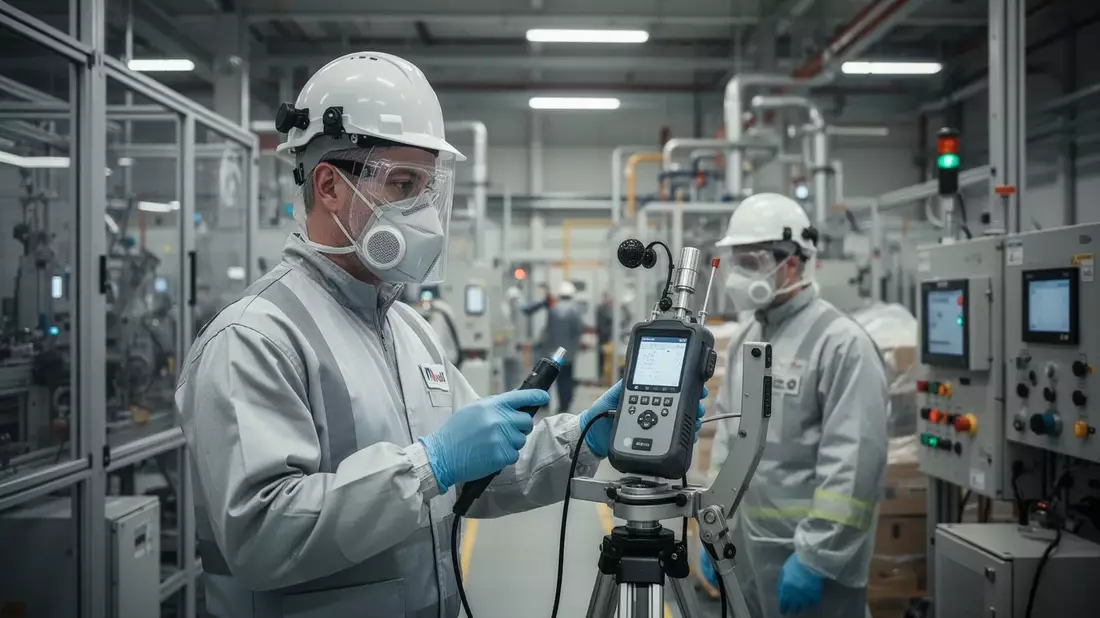
Regulatory bodies in Australia, the United States, and New Zealand have issued new guidance and revised compliance timelines this week, targeting workplace exposure to airborne contaminants and hazardous chemicals. The updates address a range of industrial risks, from diesel emissions and laboratory safety to the handling of toxic solvents.
Australia: New Exposure Limits and Diesel Emission Controls
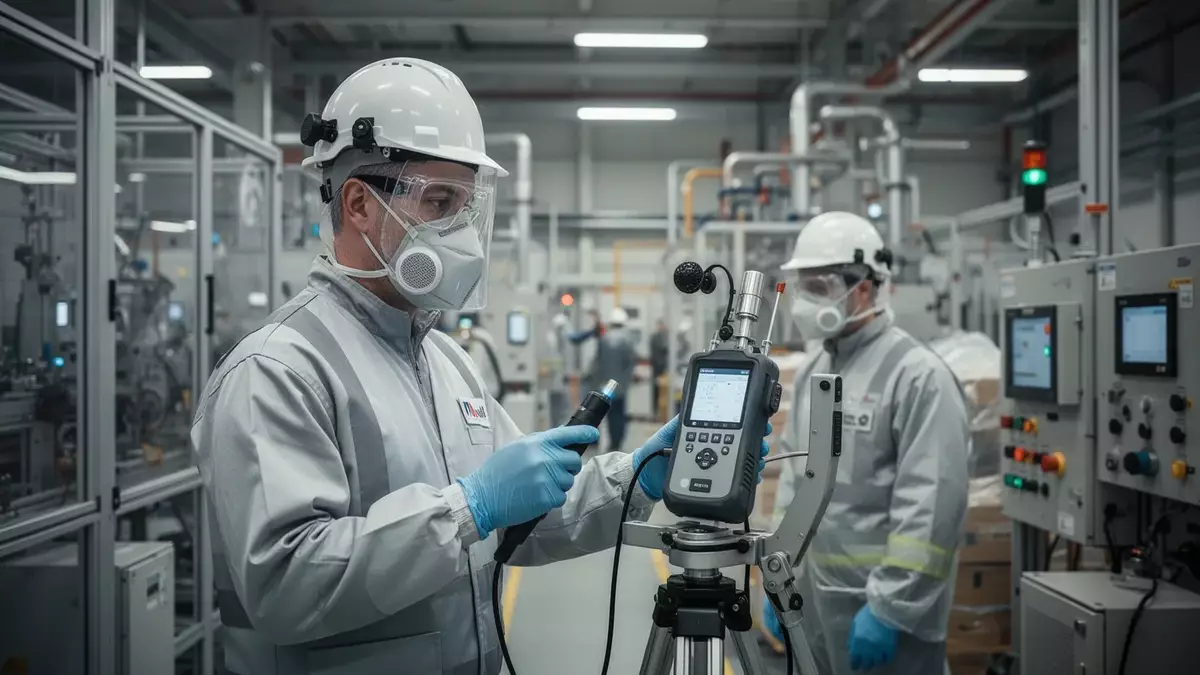
Safe Work Australia published three new guides on July 30, aimed at helping workplaces transition to the updated workplace exposure limits (WEL) list. The documents provide specific instructions for persons conducting a business or undertaking (PCBUs) and technical guidance for occupational hygienists monitoring atmospheric conditions.
Under the revised framework, employers must ensure that no worker is exposed to airborne contaminants above the specified WEL starting December 1. The guidance introduces a strict new limit for diesel engine emissions, capping exposure to diesel particulate matter at 0.01 mg/m³. The agency said the resources are designed to help industries prepare for the mandatory compliance deadline.
Keeping up with changing workplace exposure limits can feel like a moving target. A free toolkit provides 41 ready-to-use templates and checklists to help you document and manage your risk assessments efficiently. Download the free Risk Assessment Toolkit
US EPA Extends Deadlines for PCE and CTC Compliance
The United States Environmental Protection Agency (EPA) issued a final rule on July 28, extending several compliance deadlines under the Toxic Substances Control Act (TSCA) for perchloroethylene (PCE) and carbon tetrachloride (CTC). The agency is currently reconsidering aspects of these risk management rules and expects to propose further regulations later this year.
Under the new schedule, the deadline for initial inhalation exposure monitoring has been moved to June 21, 2027. Requirements for meeting existing chemical exposure limits (ECEL), establishing regulated areas, and implementing respiratory personal protective equipment (PPE) training have been extended to September 20, 2027. For non-federal entities, the deadline to finalise PCE exposure control plans is now December 20, 2027. The EPA estimated that these extensions could save industry between $6.2 million and $8.3 million over 20 years.
The move follows a push from a coalition of 75 industry organisations, including the American Chemistry Council and the National Association of Manufacturers. In a letter sent on July 20, the groups urged the federal government to create a single framework under TSCA Section 9 to resolve overlapping requirements between the EPA's Workplace Chemical Protection Program and existing OSHA standards.
New Zealand Simplifies Lab Safety Rules
In New Zealand, Minister Brooke van Velden announced significant changes to hazardous substances regulations for laboratories on July 30, effective immediately. Laboratories are now permitted to use risk management plans instead of following standard industrial requirements.
The Minister indicated that an Approved Code of Practice will be developed to support the transition. According to estimates from Universities NZ and the Independent Research Association of New Zealand (IRANZ), maintaining the previous industrial compliance requirements would have cost the sector between $1.5 billion and $3 billion.
Updates on Air Discharge and Combustible Dust Standards
Standards Australia and Technical Committee ME-062 provided clarification on July 29 regarding air discharge requirements in AS 1668.2:2024. The committee stated that the provisions are now fully prescriptive, removing previous subjective performance requirements. Key updates include Clause 3.10.1, which specifies that multiple discharges within a 6-metre radius must be treated as a single discharge when calculating flow rates.
In a related development, Telangana Minister Gaddam Vivek Venkat Swamy urged industrial leaders on July 29 to adopt advanced technology to manage combustible dust risks. During a workshop attended by 300 representatives, a new handbook on combustible dust safety was released to help factories develop internal safety rules.
Hazardous substances like PCE, CTC, and combustible dust demand careful management. A free COSHH toolkit provides 43 customisable templates, checklists, and toolbox talks to help you meet your legal duties for risk assessment. Get the free COSHH Toolkit
Enforcement Actions Highlight Consequences of Non-Compliance
Recent enforcement actions underscore the risks of failing to manage airborne hazards. In the United Kingdom, the Health and Safety Executive (HSE) oversaw a case where Samson Containers Ltd. was fined £30,000. The firm had exposed workers to cancer-causing fumes after ignoring enforcement notices issued in 2024 and 2025.
In the United States, the Chemical Safety Board (CSB) released its final report on July 28 regarding a September 2024 fire at the BioLab plant in Georgia. The investigation found that the fire was caused by the storage of 14 million pounds of pool chemicals in a facility with more than 1,100 corroded sprinkler heads. The company, which faced over $60,000 in penalties, has decided not to rebuild the facility.
Disclaimer regarding our articles: No investment advice, no buy or sell recommendation. Information on prices, companies, and markets is provided without guarantee; changes are possible at any time. Stock market transactions can lead to substantial losses. Our articles are created and reviewed in whole or in part automatically with the support of AI.