Gold Climbs as Central Banks Absorb the Blow From a Hawkish Fed
Published on 11/09/2026 at 20:02 | Editorial boerse-global.de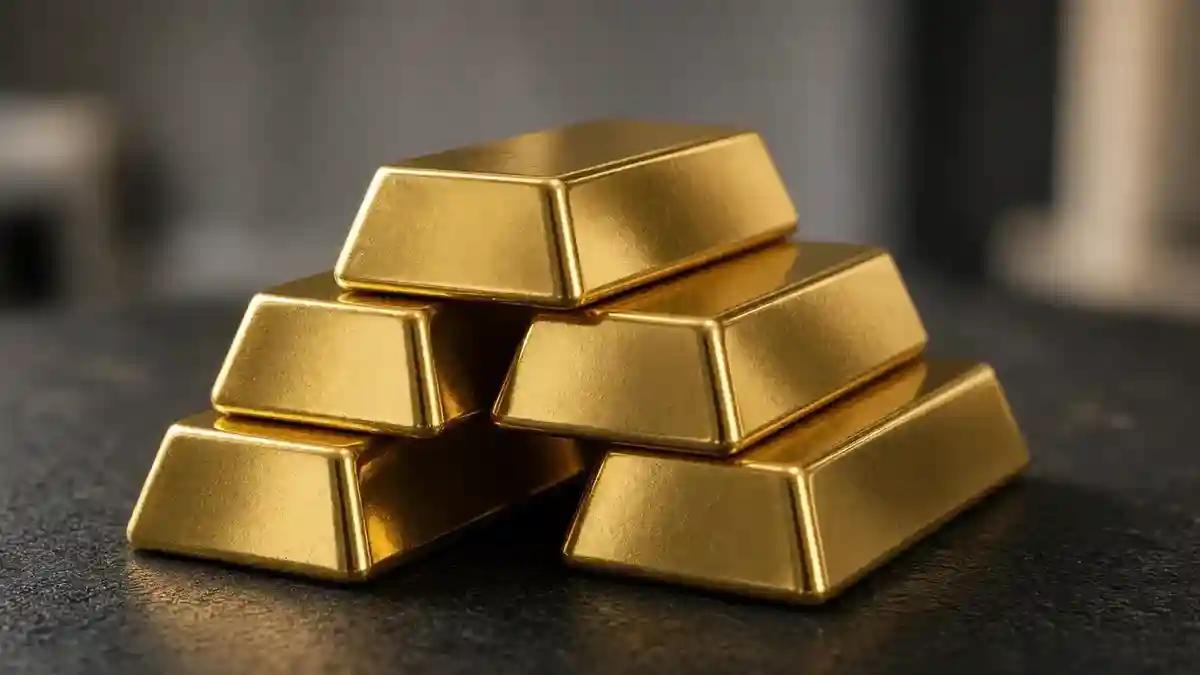
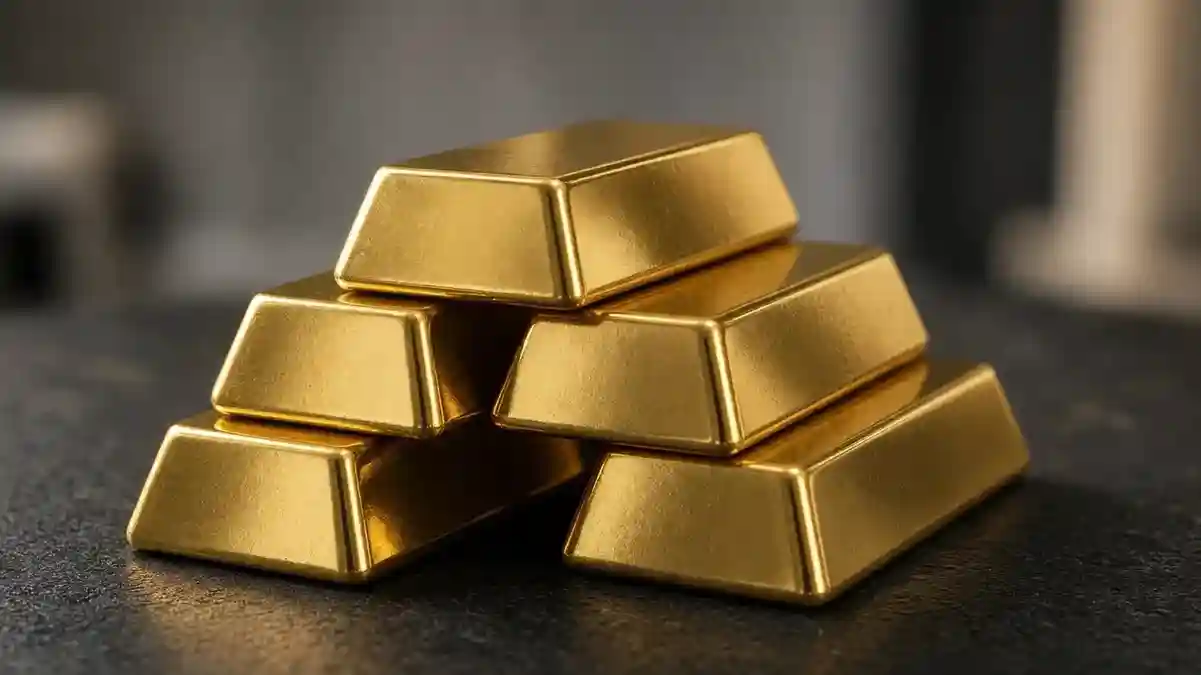
Gold is finding its footing after a bruising stretch, with the metal drawing support from two directions at once: relentless official-sector buying and a modest easing of the rate fears that had weighed on prices. Spot gold rose 1.4% to $4,121.69 an ounce, according to dpa-AFX, helped by a softer dollar and lower bond yields. A separate Reuters read put the gain at 1.0% to $4,104.26 — either way, the recovery marks a rebound from the prior sell-off.
The bid rests on a simple dynamic. Central banks keep buying, and that steady official demand has held up even through the recent price weakness. Against it sits the prospect of a more restrictive Federal Reserve, a headwind that forecasters are taking seriously.
China's 24-Month Streak Anchors Official Demand
The clearest evidence of that official appetite came from Beijing. SAFE data published Saturday showed China's gold reserves rising by 830,000 ounces in October to 78.30 million ounces — the 24th consecutive month of purchases. The buying has continued without interruption through the recent soft patch in prices, a signal that official institutions are treating dips as entry points rather than warnings.
China is far from alone. The World Gold Council reported Wednesday that global central bank net purchases reached 61 tonnes in September, the highest monthly total of 2026 to that point, with Poland and China leading the way. Zooming out to the third quarter, central banks and other official institutions bought a net 321 tonnes — 42% more than in the same quarter a year earlier.
Should investors sell immediately? Or is it worth buying Gold?
ETFs Add a Second Pillar of Support
Investors have been contributing too, though the picture is less uniform. Physically backed gold ETFs worldwide took in $2.7 billion in October, according to a World Gold Council report released Thursday, with European funds leading the inflows and Asia also showing solid buying interest.
The futures market told a different story. Net long positions on the COMEX fell by 94 tonnes in October to 560 tonnes, per the World Gold Council — meaning the fund inflows coincided with a reduction in speculative bullish bets. That mixed positioning suggests the ETF demand reflects a renewed appetite for safe havens rather than a broad speculative push.
A Demand Picture Pulled in Two Directions
The World Gold Council's demand scorecard, published November 3, captures the split cleanly. Global gold demand in the third quarter of 2026 came in at 1,369 tonnes, down 1% year on year, even as several buyer categories posted strong gains. Central banks and official institutions were the standout, with their 321 tonnes of net purchases. Gold ETFs absorbed 211 tonnes, lifting their holdings to 4,256 tonnes.
Yet the council also cut its outlook for investment demand growth in 2026, citing weaker appetite for bars and coins. It now expects roughly 200 tonnes of growth, down from a prior forecast of 400 tonnes. The revision sits alongside the robust institutional buying and underscores how uneven demand has become — official institutions and funds are adding, while retail bar and coin buyers pull back.
The Fed Looms Over the Next Data Hurdle
The near-term tug-of-war runs through US monetary policy. Friday's October employment report, which showed 165,000 jobs added, reinforced expectations of a December rate hike and lent the dollar support, according to Reuters. Energy and bond markets have since pushed the other way: dpa-AFX noted that easing oil prices are dampening inflation expectations and with them the pressure on central banks to tighten, while lower yields have offered gold relief.
Gold at a turning point? This analysis reveals what investors need to know now.
That shift matters because oil has cut both ways for the metal lately. Reuters reported Friday that rising crude had stoked inflation worries and hurt gold; the reversal now is doing the opposite. The next test arrives tomorrow with US consumer price data for October, followed by producer prices on Friday — both potential guides to the Fed's path and, by extension, to the dollar, yields and gold itself.
Goldman Sachs trimmed its targets regardless. On Friday the bank cut its year-end gold price forecast to $4,150 an ounce and its end-2027 goal to $4,800, with strategist Lina Thomas's team citing a more restrictive Fed as the drag. The same team still views central bank demand as a long-term support.
For now, the metal's recovery leans on that official-sector floor. If rate pressure eases further, the rally has room; if it doesn't, the central bank bid will have to keep carrying the load.
Ad
Gold Stock: New Analysis - 9 November
Fresh Gold information released. What's the impact for investors? Our latest independent report examines recent figures and market trends.