Gold's Consolidation Masks a Commodity Complex in Flux: Copper's Record Run and Platinum's Breakout Steal the Spotlight
Published on 08/10/2026 at 16:21 | Redaktion boerse-global.de
The precious metals complex is holding its breath ahead of Wednesday's US inflation print, but the action has already shifted elsewhere in the commodity universe. While gold digests its recent gains in a narrow band, copper has surged to fresh record highs on tariff speculation, platinum has broken a multi-week downtrend, and Brent crude continues to climb on unresolved tensions in the Strait of Hormuz.
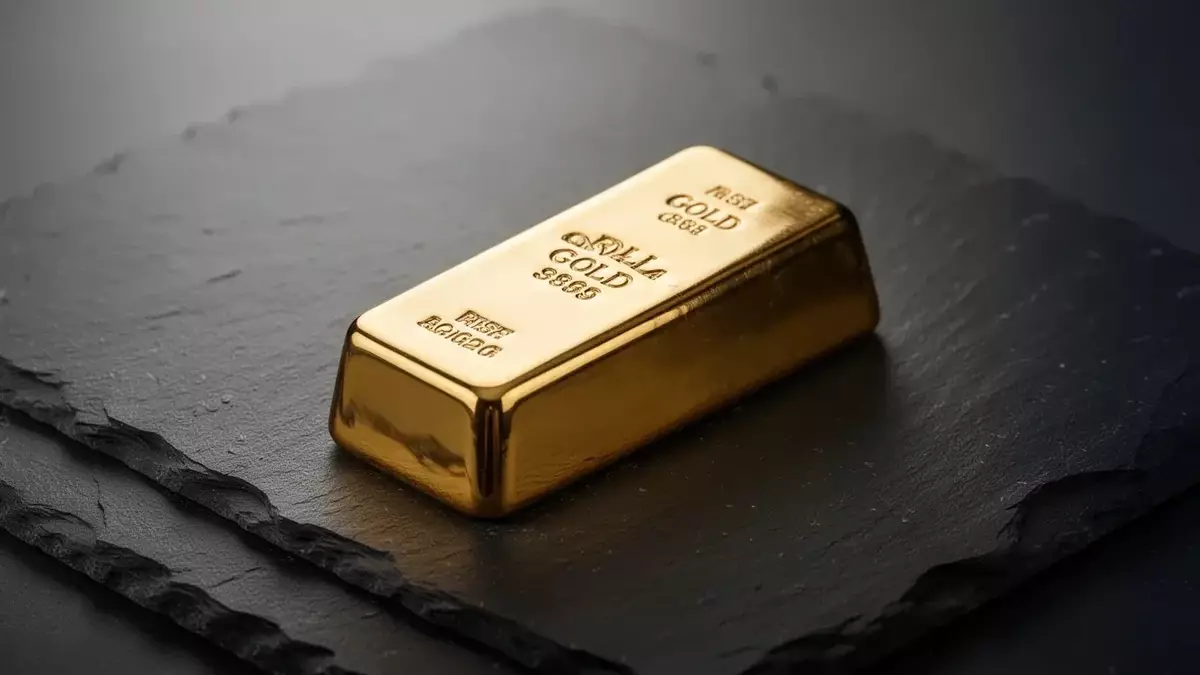
Gold is trading at $4,389.70 per ounce, down 0.27 percent from Friday's close of $4,401.40, after touching a seven-week high in the previous session. The modest pullback masks a powerful weekly performance — the metal is still up 6.78 percent on the week, with geopolitical risk premium firmly embedded in the price.
The consolidation follows a sharp rally driven by a disappointing US jobs report for July, which pushed the probability of a Fed rate hike in September below 50 percent. That shift in expectations has weakened the dollar and lowered real rate projections, making the non-yielding metal more attractive. Several major banks have trimmed their year-end targets, however, citing the growing likelihood that a Fed rate cut won't materialize until 2026.
Hormuz Tensions Keep Oil Traders on Edge
The geopolitical backdrop remains the dominant force across the commodity complex. Iran has announced plans to impose transit fees for passage through the Strait of Hormuz, with foreign ministry spokesman Ismail Baghai confirming that mechanisms are being developed in coordination with Oman. Reports suggest the two nations are close to an agreement, though Tehran has attached far-reaching conditions: lifting the naval blockade, withdrawing American forces, and releasing frozen assets.
The numbers underscore the stakes. Roughly 20 percent of global oil shipments moved through the 39-kilometer-wide passage before the conflict erupted, and the strait also handles about a quarter of the world's seaborne oil trade and a fifth of global LNG flows. The UK Maritime Trade Operations (UKMTO) continues to classify the threat level as serious, and trade through the region remains stagnant.
Should investors sell immediately? Or is it worth buying Gold?
President Trump struck a measured tone on the Iranian demands, likening the situation to "a chess game." Tehran has declined direct negotiations with Washington, citing violations of the interim peace agreement reached in June, while the US has signaled patience. Adding to the volatility, Iranian-backed Houthi militias claimed an attack on Saudi Arabia's Jazan refinery, and a tanker operated by Abu Dhabi National Oil Co. was targeted in Hormuz over the weekend.
Brent crude rose more than 3 percent on Monday to $84.97 per barrel, while WTI climbed to $78.79. JPMorgan estimates that each additional month of disruption could push Brent prices up by $7 to $8 per barrel. Citi sees prices averaging around $80 in the third quarter but projects a decline to roughly $65 by 2027, suggesting the market views the current premium as a temporary crisis phenomenon rather than a structural shift.
Copper's Tariff-Fueled Rally Outshines the Metals Complex
The standout performer across the commodity spectrum has been copper. Comex futures hit a record $6.86 per pound, surpassing the previous all-time high of $6.716 set in May. The rally is driven primarily by speculation that the Trump administration could impose import tariffs on refined copper, a policy uncertainty that is already distorting global trade flows.
The metal's year-to-date gain of roughly 20 percent has left gold and silver trailing significantly. Beyond the tariff narrative, structural demand drivers remain firmly in place — the global transition to cleaner energy and the rapid expansion of AI data centers continue to underpin long-term consumption. Supply constraints on copper concentrate and scrap in China, the world's largest consumer, are further tightening market spreads, while traders remain cautious about new US tariffs, which is encouraging the diversion of shipments to American shores.
Platinum's Technical Breakout and Silver's Quiet Momentum
Platinum has emerged as the surprise winner among the precious metals, breaking its medium-term downtrend in a move that analysts describe as qualitatively new. The futures market confirmed the shift in early August, with platinum futures surging nearly 8 percent in a single session on the highest trading volume in weeks, breaking out of a six-week sideways range.
The fundamental backdrop supports the technical picture. The World Platinum Investment Council projects a deficit of approximately 297,000 ounces for 2026 — the fourth consecutive year of supply shortfall. Bank of America has set a fourth-quarter 2026 price target of $3,000 per ounce. Demand-side headwinds persist, however: the WPIC expects total demand to fall 9 percent to around 7.67 million ounces in 2026, with investment demand plunging 54 percent after last year's massive ETF inflows and jewelry demand down 12 percent.
Silver, meanwhile, closed last week above $63 per ounce, a level that could serve as a springboard for a trend reversal. The gold-silver ratio has tightened to 68.3 from just over 70 a week earlier, indicating that silver is regaining momentum relative to its larger counterpart. Silver producers are already responding — shares of Fresnillo, Hecla Mining, and Pan American Silver have posted solid gains.
Gold at a turning point? This analysis reveals what investors need to know now.
Wednesday's Inflation Print as the Decisive Catalyst
For gold and silver, Wednesday's US inflation data represents the pivotal event of the week. A surprisingly hot reading could dampen rate-cut expectations and generate headwinds for the metals, while weak data would likely fuel the current rally.
The technical picture for gold remains constructive despite the consolidation. The metal trades 5.23 percent above its 50-day moving average of $4,171.48, firmly within the uptrend of recent weeks. It sits 32.62 percent above the 52-week low of $3,310.10, set on August 20 of last year, and 21.42 percent below the 52-week high of $5,586.20, reached in late January. Goldman Sachs has maintained a December price target of $4,900, suggesting significant upside if the combination of geopolitical uncertainty and looser monetary policy persists.
Traders are also watching key technical levels: $4,200 serves as the breakout threshold to the upside, support sits in the $3,960–$4,000 zone, and $4,490 is viewed as the next target. A break below $3,960 could open the door to declines toward $3,800.
The broader picture across the five commodities reveals a clear pattern: political and regulatory uncertainty is dominating price action. Brent is hostage to the Hormuz question, copper is riding tariff speculation, gold and silver are tethered to Fed expectations, and platinum is being driven by structural supply deficits independent of geopolitical headlines. The rotation from traditional safe havens toward industrial metals with fundamental scarcity — rather than mere speculation — looks set to remain a defining theme in the weeks ahead.
Ad
Gold Stock: New Analysis - 10 August
Fresh Gold information released. What's the impact for investors? Our latest independent report examines recent figures and market trends.