
Gold's Latest Surge Is a Treasury Story, Not a Haven Story
Published on 08/24/2026 at 12:31 | Redaktion boerse-global.de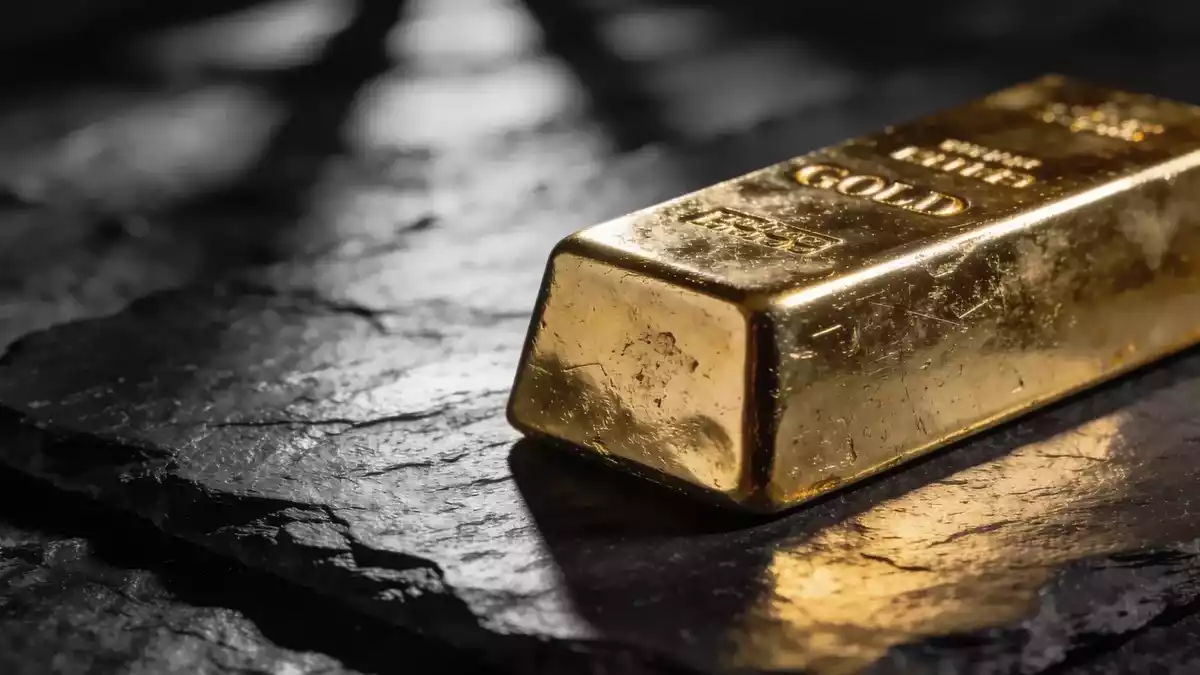
The precious metals complex has found an unlikely catalyst in Washington's bond market mechanics. A single policy announcement from the US Treasury has rippled through gold, silver and platinum, underscoring how fiscal intervention now moves bullion more than geopolitical anxiety does.
Gold punched through the $4,600 threshold on Friday for the first time since mid-May, with spot prices touching $4,631.99 before settling at $4,623.94. The momentum carried into Monday, when the metal reached an intraday high of $4,641.27 per ounce — a fresh multi-month peak. The trigger: a surprise Treasury plan to significantly expand buybacks of long-dated government bonds. That move pushed yields lower, hammered the dollar, and made alternative stores of value suddenly more attractive.
The dollar's weakness is the mechanical link doing the heavy lifting. A softer greenback automatically makes dollar-denominated commodities cheaper for overseas buyers, and the scale of the shift has been dramatic. Earlier in the rally, gold jumped 3.6 percent to $4,487.91 in a single session after the Treasury's initial liquidity-support announcement. Michael Blumenroth of Deutsche Börse traced the latest leg higher to that same announcement, combined with soft US economic data, which together drove gold to an intraday weekly high near $4,527.
The August comeback in numbers
The monthly picture reveals just how forceful the recovery has been. Reuters pegged August's gold rebound at roughly 9 percent, achieved after the market cleared two key technical resistance levels. That marked a sharp reversal from the preceding sell-off triggered by the Iran conflict, when investors had retreated from the metal before returning in force.
The Treasury's intervention has done more than move prices — it has reshaped the narrative. Direct government interference in borrowing costs raises questions about confidence in the US currency, a theme that resonates with institutional investors. "I see room for macro investors to significantly rotate into precious metals given this currency-devaluation narrative," said Justin Lin, an analyst at Global X ETFs. The flows are showing up in gold-backed funds, which recently hit their highest levels since January.
Should investors sell immediately? Or is it worth buying Gold?
Central banks and the structural bid
Beneath the daily price action sits a deeper structural driver: official-sector demand. The National Bank of Poland continued its gold accumulation in July, with the World Gold Council estimating purchases of roughly 19 tonnes. The pace has varied from earlier months, but the buying remains consistent.
The broader central-bank community appears committed to the trend. A majority of surveyed central banks expect global gold reserves to keep rising, and many plan to build their own holdings further. Just as tellingly, a clear majority anticipates a long-term decline in the dollar's share of global currency reserves — a structural argument that extends well beyond the current news cycle.
Swiss gold exports, meanwhile, slipped 2 percent in July, partly due to reduced shipments to China, adding a supply-side wrinkle to an otherwise demand-driven rally.
Wall Street's price targets point higher
The banks are increasingly confident in the metal's trajectory. On August 18, J.P. Morgan reaffirmed its view that gold could average around $6,000 per ounce by the end of 2026, with upside potential beyond that in the fourth quarter of that year. Goldman Sachs followed on August 21, noting that strong options demand could push prices above its own $4,900 forecast.
The week ahead: Warsh takes the stage
The immediate focus now shifts to this week's US inflation data and a speech from Federal Reserve Chair Kevin Warsh — his first major public appearance since taking the helm. The PCE print on Wednesday is the Fed's preferred inflation gauge, and the Jackson Hole symposium that follows will give markets their first extended read on Warsh's policy stance.
For gold investors, the calculus is straightforward: dollar weakness, monetary policy uncertainty and persistent central-bank demand form the backdrop. Whether the rally extends or pauses for consolidation after August's sharp gains will likely depend on whether Warsh's tone reinforces or pushes back against the current market pricing.
Ad
Gold Stock: New Analysis - 24 August
Fresh Gold information released. What's the impact for investors? Our latest independent report examines recent figures and market trends.


