Gold's Slide Below $4,000 Ties Together Margin Calls, Oil-Fueled Inflation and a Fed Waiting Game
Published on 10/24/2026 at 10:21 | Editorial boerse-global.de
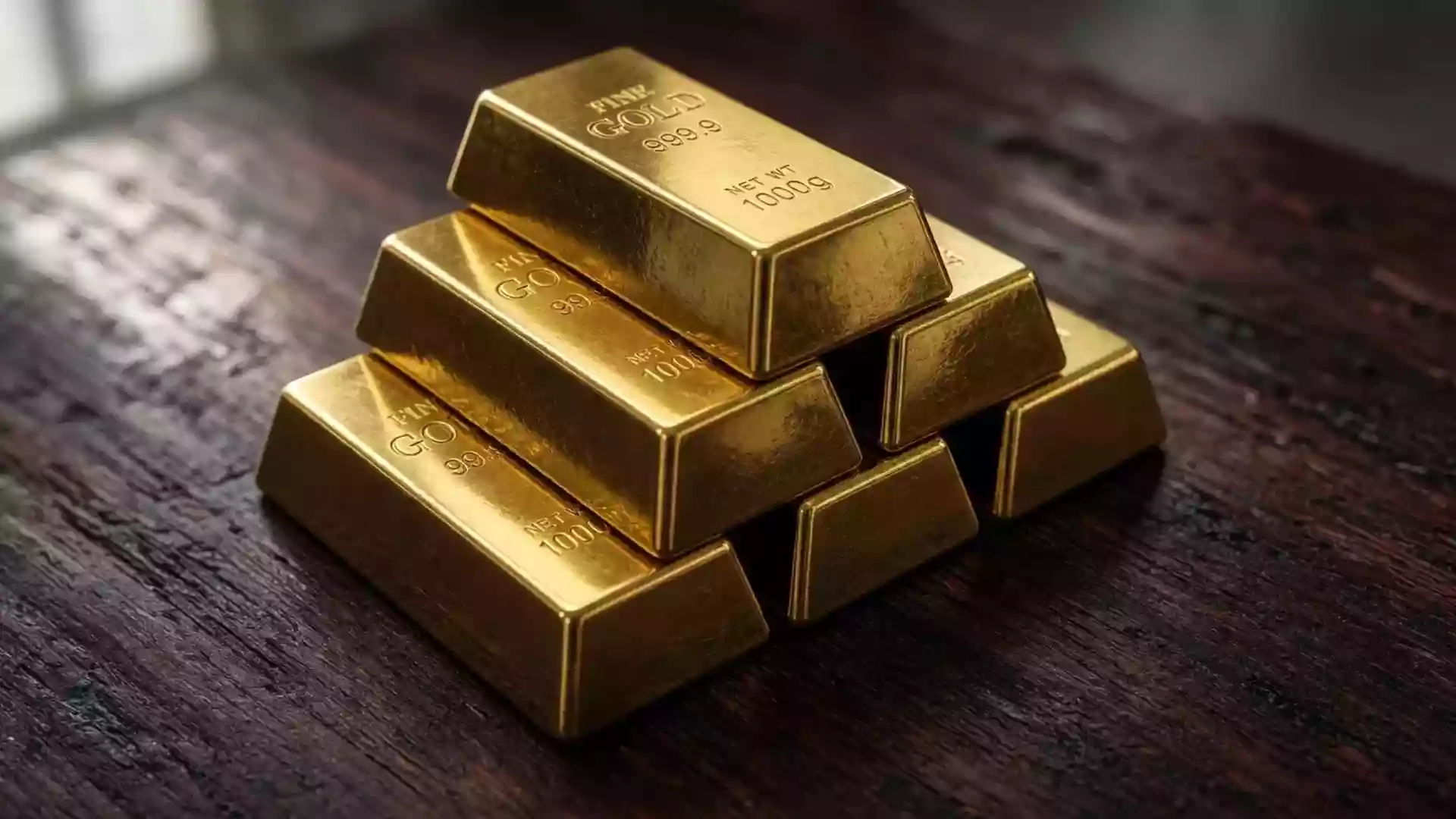
Gold's first close beneath the $4,000 line since mid-July was never going to have a single explanation. By the time Friday's session ended, the metal had settled at $3,997.48 an ounce — a weekly loss of 4.1% — and the selling that got it there came from more than one direction at once.
Part of the pressure was mechanical rather than fundamental. Analyst Jim Wyckoff, cited by Reuters, linked the weakness in gold and silver to the slump in technology stocks, arguing that margin calls forced investors to raise cash by liquidating positions they might otherwise have kept. That distinction matters: forced selling says nothing about an investor's longer-term view of an asset, only about the immediate need for liquidity. Other precious metals also finished the week lower.
The macro backdrop did the rest. Reuters reported that gold fell through the round number for the first time since mid-July, with rising oil prices and the inflation worries they carry weighing on sentiment. Those fears in turn hardened expectations that US interest rates will stay elevated for longer. Climbing Treasury yields added to the strain as the week drew to a close. The retreat held through the closing bell, so it was no fleeting intraday dip.
A Policy Decision Still Pending
Attention now shifts to the Federal Reserve, whose meeting is scheduled for 27–28 October. The distinction between expectation and decision is central here: the recent pressure on bullion reflects shifting rate expectations, not any verdict from the central bank. That verdict is still to come. A further test arrives on 29 October with the anticipated PCE inflation data.
Should investors sell immediately? Or is it worth buying Gold?
Against that, official-sector demand offers a counterweight. Goldman Sachs estimated on Tuesday that central banks bought 79 tonnes in August — a bank estimate, not an officially reported World Gold Council figure, and the two should not be conflated. The World Gold Council reported on 6 October net purchases of 39 tonnes for August 2026, and 170 tonnes for January through August combined. Even so, the reported buying was not enough to shield the market from inflation and rate expectations on Friday.
Two Banks, One Long-Range Target
Goldman Sachs and UBS are both sticking with a long-term forecast of $5,400 an ounce — Goldman by the end of 2027, UBS as early as September 2027. Both anchor that view in expected central bank demand, which is a projection of future purchases rather than a record of completed transactions. Goldman's base case assumes monthly official buying of roughly 60 tonnes in 2026 and 2027; UBS expects annual purchases of 750–1,000 tonnes.
That optimism is not unconditional. Goldman explicitly attaches downside risks to its call and sees $4,650 an ounce by the end of 2026 — short-term caution and a longer-term upside scenario sitting inside the same forecast.
Gold at a turning point? This analysis reveals what investors need to know now.
For investors, the practical question is whether the forced selling has run its course. An end to margin-driven liquidation would remove one burden, but it would not show that pressure from higher energy prices and restrictive financing conditions has eased. A durable recovery would need more than a slower pace of liquidations — and the banks' long-range targets, while a counterweight to the selling, stop well short of confirming a turn in the near term.
Ad
Gold Stock: New Analysis - 24 October
Fresh Gold information released. What's the impact for investors? Our latest independent report examines recent figures and market trends.