Gold's Two-Speed Rally: How a Jobs Shock and Hormuz Diplomacy Converged on Bullion
Published on 08/07/2026 at 18:22 | Redaktion boerse-global.de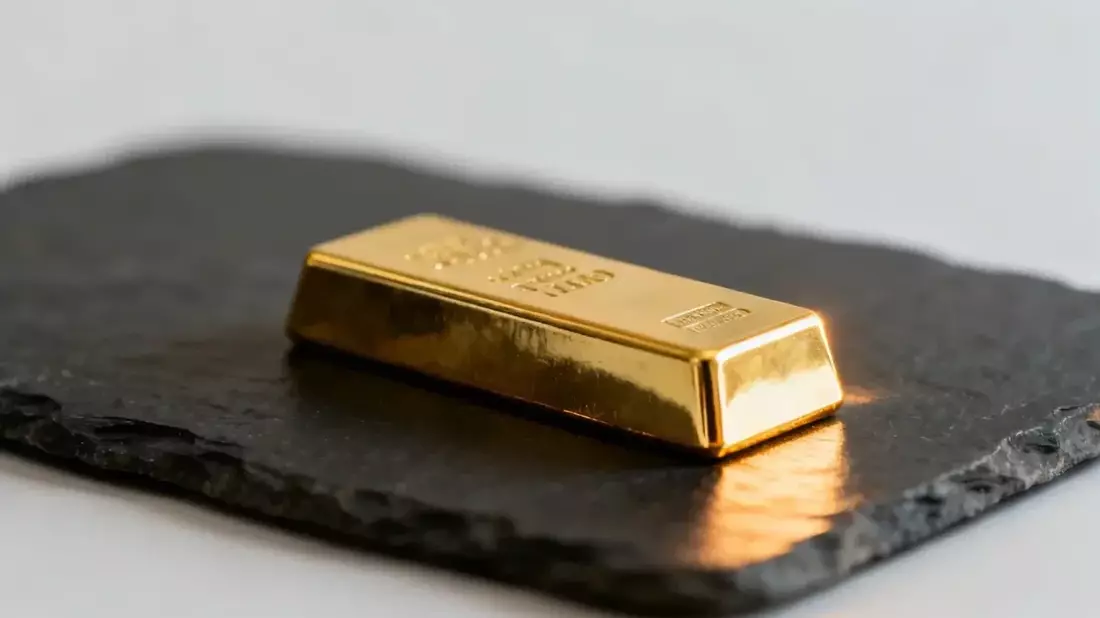
The gold market has spent the week navigating two very different currents. One flows from Washington, where a surprisingly soft labor market has upended the Federal Reserve's tightening calculus. The other runs through the Strait of Hormuz, where diplomatic wrangling between Iran and Oman has kept geopolitical risk simmering beneath the surface. Together, they have produced a rally that is as much about macroeconomics as it is about geopolitics.
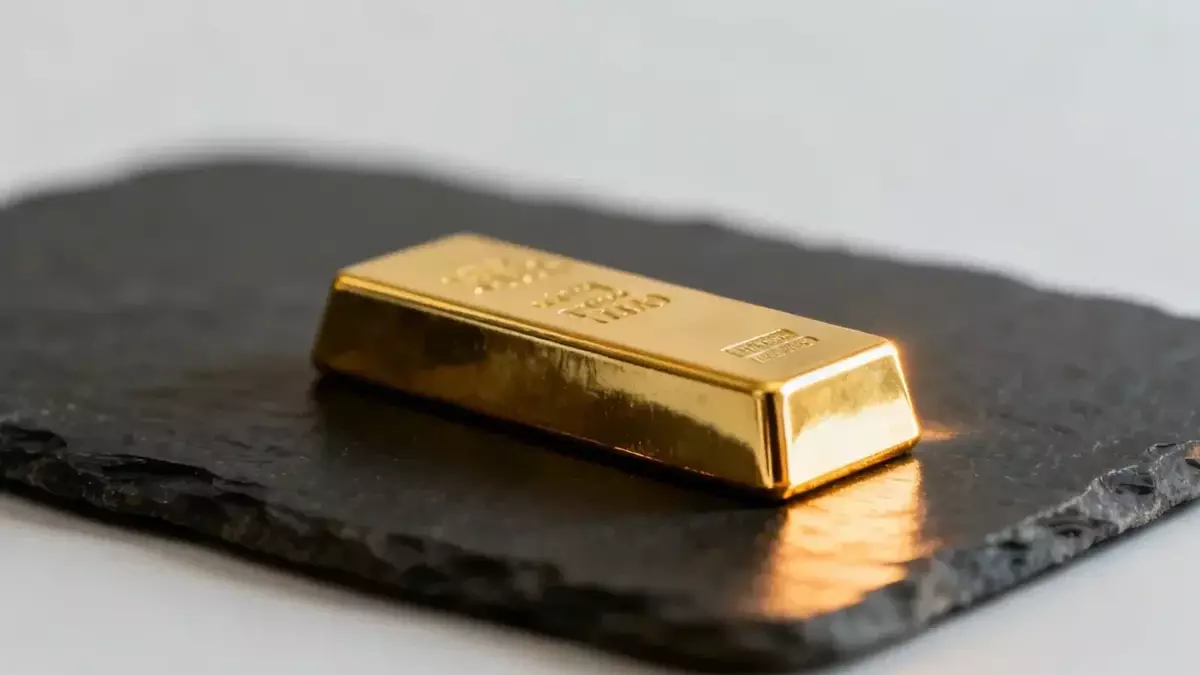
Gold's most recent surge came on Friday, when the precious metal jumped 2.47 percent to $4,406.00 per ounce. The trigger was the US jobs report for July, which landed with a thud. Nonfarm payrolls contracted by 23,000 positions, while economists had penciled in growth of roughly 80,000. The Labor Department also revised June's figure down from a gain of 57,000 to just 20,000, and when combined with the May revision, the total downward adjustment came to 103,000 jobs versus original reports. The unemployment rate ticked lower to 4.1 percent from 4.2 percent in June, but average hourly earnings rose just 3.2 percent year-over-year, missing the 3.5 percent forecast. Market participants quoted by Handelsblatt described the report as a "cold shower."
The data dealt a heavy blow to expectations of further Fed tightening. The probability of a September rate hike fell from 55 percent to 40 percent, leaving the benchmark rate at 3.50 to 3.75 percent. The dollar index slipped 0.5 percent to 99.43, while the yield on two-year US Treasuries dropped eight basis points. For a zero-yield asset like gold, that combination — a softer dollar and diminishing rate-hike odds — is a familiar tailwind.
A Week of Momentum, Then a Data-Driven Leap
Before Friday's jobs-driven jump, gold had already been building momentum. The metal had strung together four consecutive sessions of gains, its strongest run of the year, buoyed by hopes for a reopening of the Hormuz shipping corridor and a deteriorating US employment picture. On a seven-day basis, gold was up 5.16 percent, and over the past month it had gained 5.44 percent. At its recent peak, the price stood roughly 3.17 percent above its 50-day moving average — a technical signal that the recovery had genuine legs.
Should investors sell immediately? Or is it worth buying Gold?
That said, the metal remains well below the record high it set in January. Friday's advance pushed it decisively past the $4,400 mark, a level that had been in focus as traders weighed whether the rally could sustain itself. The next test arrives on August 12, when the US inflation report for July is published.
Central Banks Keep Buying, China Leads the Charge
While rate expectations and geopolitics drive day-to-day price action, a quieter force continues to underpin the market: central bank demand. China's central bank added 640,000 ounces of gold in July — roughly 20 tonnes — marking its largest monthly increase since October 2023. That extends the People's Bank of China's buying streak to 21 consecutive months. Total reserves climbed to 76.08 million ounces from 75.44 million in June, with the value rising to $306.35 billion from $303.72 billion. Gold now represents about 4.5 percent of China's foreign exchange reserves, though the World Gold Council suspects the true figure is considerably higher than officially reported.
China is part of a broader institutional shift. Since 2022, central banks worldwide have purchased more than 1,000 tonnes of gold annually, according to data from the Goldreporter: 1,082 tonnes in 2022, 1,037 tonnes in 2023, over 1,000 tonnes in 2024, and 863 tonnes so far in 2025. In May 2026 alone, central banks bought a net 41 tonnes, led by Poland with 18 tonnes, followed by China with 10 tonnes and Uzbekistan and Kazakhstan with roughly 9 and 7 tonnes respectively. A World Gold Council survey found that 45 percent of central banks plan to increase their gold holdings over the next twelve months, and 84 percent expect gold to account for a larger share of their reserves within five years. By 2025, gold had already overtaken US Treasuries in value within official reserves.
The Hormuz Factor: A Different Kind of Support
Geopolitics has played a more ambiguous role this week. While the Strait of Hormuz negotiations between Iran and Oman initially raised hopes of eased tensions — which weighed on oil prices — the talks have proven anything but straightforward. New incidents in the region have repeatedly clouded the outlook just as progress seemed near. For gold, that uncertainty has served as a backdrop rather than a primary driver, reinforcing its status as a haven without triggering the kind of panic buying seen in previous crises.
The details of the proposed Iran-Oman agreement have added to the unease. Under the draft, Tehran would bar US and Israeli vessels from transiting Hormuz and demand compensation from countries deemed hostile, with penalties of 20 percent of cargo value for violations. An Iranian parliamentary committee is reviewing these restrictive conditions, a development that has revived concerns about constrained oil flows — and, by extension, kept a floor under gold's geopolitical premium.
Gold at a turning point? This analysis reveals what investors need to know now.
A Divergent Week Across Commodities
The contrast with other commodities underscores how idiosyncratic gold's rally has been. WTI crude collapsed nearly 8 percent at the start of the week after a planned military escalation against Iran was called off, compounded by an OPEC+ decision to raise output from September. Brent slid about 4.6 percent before rebounding more than 4 percent on Thursday to close at $81.70, back above the $80 threshold. Silver, meanwhile, outpaced gold with a jump to roughly $62.5 per ounce, its highest level since late June, supported by industrial demand — Chinese imports of silver-bearing ores surged 62.5 percent year-over-year in June to 219,000 tonnes, reflecting booming solar panel and grid component production.
Copper has traded in its own orbit, climbing toward $6.72 on supply tightness in China while traders eye potential new US tariffs. The metal is up 52.80 percent over twelve months and 19.38 percent year-to-date, though Chinese industrial activity fell to a four-month low in July.
What Comes Next
For gold, the immediate path hinges on the upcoming inflation data and whether the Fed's next move is a hike or a pause. The market currently prices just one rate increase by year-end, down from two a week ago. If inflation comes in soft, the case for gold strengthens further; if it surprises to the upside, the metal's recent gains could face a swift test. Either way, the combination of central bank buying, a softer dollar, and geopolitical uncertainty gives gold multiple pillars of support — a rare alignment that has traders watching the $4,400 level with renewed interest.
Ad
Gold Stock: New Analysis - 7 August
Fresh Gold information released. What's the impact for investors? Our latest independent report examines recent figures and market trends.