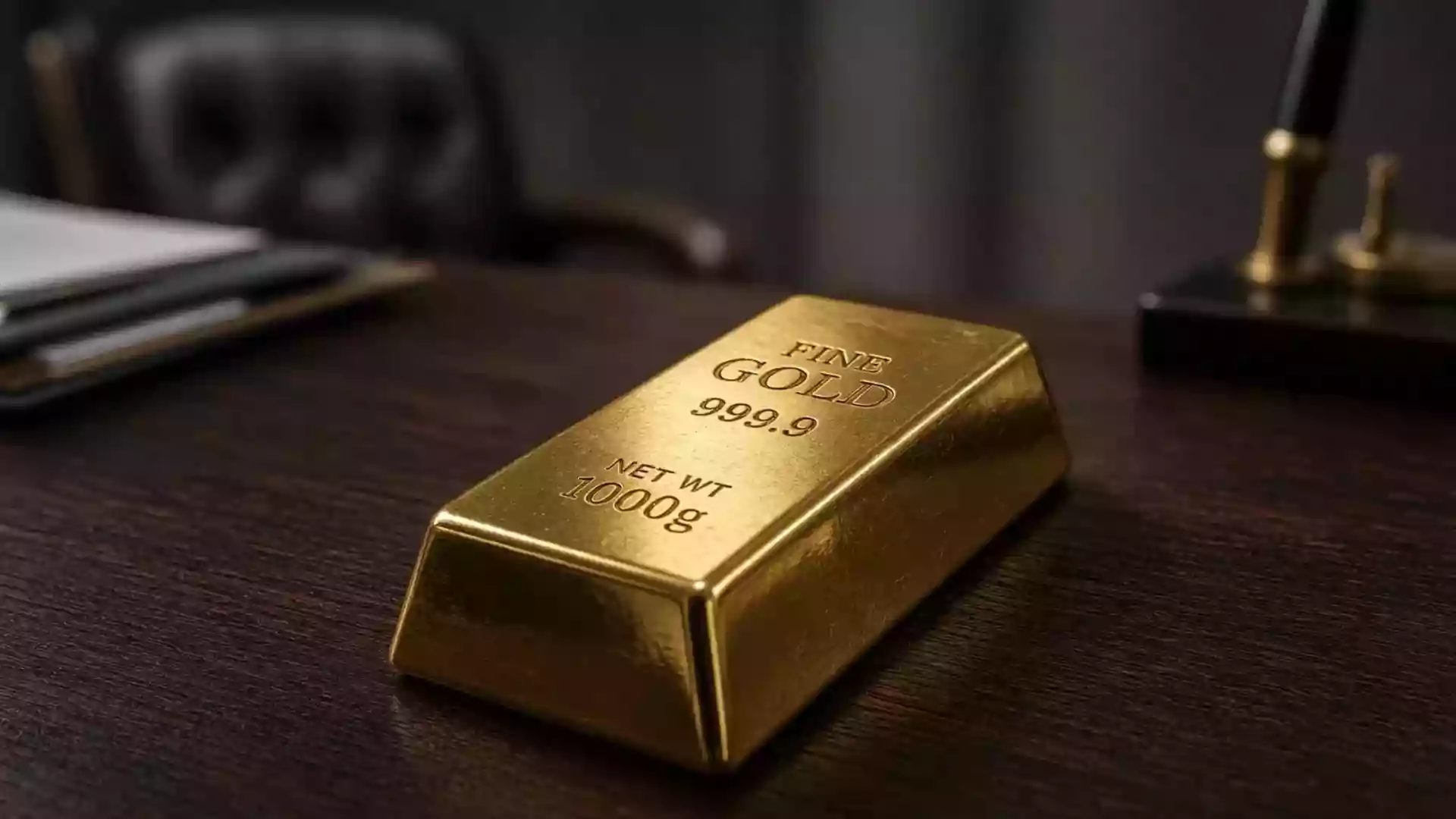
Gold Slips as Hotter PCE Reading Hardens Bets on a December Hike
Published on 10/29/2026 at 16:10 | Editorial boerse-global.de
Gold came under fresh pressure on Wednesday after the Federal Reserve's preferred inflation gauge came in hotter than the prior month, reinforcing market expectations that the US central bank could tighten again before year-end.
The PCE price index rose 0.5% in September, up from 0.3% in August. According to Reuters, the report bolstered the case for a possible Fed rate increase in December and weighed on the precious metal. Spot gold settled the session at $4,030.22 an ounce, a level consistent with the drag described by the news agency.
The focus has shifted from the wait for the data to its monetary-policy consequences. Prospects for US rates staying high — or moving higher still — now stand opposite demand from central banks and physical buyers.
A Headwind That Was Already Building
Wednesday's price data did not arrive in a vacuum. Gold had already suffered a day earlier as oil prices climbed following an attack on a Saudi refinery, with Reuters reporting mounting inflation and rate concerns. Brent crude gained more than 1% on the news, while long-dated US Treasury yields pushed higher after the Fed's policy meeting.
Should investors sell immediately? Or is it worth buying Gold?
Fed Chair Kevin Warsh stressed the central bank's readiness to act. Taken together with the oil rally, that explains why geopolitical uncertainty has not simply worked in gold's favour as a safe haven. In the latest stretch of trading, Reuters said, the associated inflation and interest-rate worries dominated.
The Fed left its benchmark rate unchanged on Tuesday. Within the committee, though, there were voices for tightening: Governor Lisa Cook and Cleveland Fed President Beth Hammack voted for a quarter-percentage-point increase, according to Reuters. A December move is by no means settled — the market reaction rests on expectations rather than a decision.
Several forces are converging on bullion at once. Reuters cites elevated US Treasury yields, a firmer dollar and the prospect of rates staying higher for longer. Against that backdrop, the latest inflation figures offered no relief.
Official Buyers Keep the Floor Intact
Demand-side signals tell a different story. The World Gold Council reported on 15 October that the People's Bank of China added 23 tonnes of gold in September, the largest monthly total since October 2023. Third-quarter purchases summed to 63 tonnes.
Those official flows show that monetary headwinds do not amount to a broad retreat by buyers. Reuters likewise pointed to robust central bank buying and physical demand as supports for the gold outlook.
In India, seasonal demand was gathering pace as of 20 October, according to the World Gold Council, with discounts to import parity narrowing. The organisation attributed the pickup to the festival and wedding season as well as stronger inflows into gold ETFs. The same council, however, reported sharply lower Indian gold imports for September — a reminder that physical demand is not a one-way story.
Gold at a turning point? This analysis reveals what investors need to know now.
Positioning Data Won't Yet Reflect the Week's Events
The next scheduled checkpoint is the CFTC's Commitments of Traders report on 30 October 2026, due at 15:30 US Eastern time and covering positions as of 27 October 2026.
That cut-off matters for interpretation: the report will capture positioning before Tuesday's Fed decision and Wednesday's inflation print, so it cannot yet show how traders responded to either. The council has also flagged its next gold demand report for early November.
For now, the central tension in the gold market holds. Official and seasonal purchases are underpinning demand, while US inflation is dimming hopes of monetary-policy relief.
Ad
Gold Stock: New Analysis - 29 October
Fresh Gold information released. What's the impact for investors? Our latest independent report examines recent figures and market trends.