
Heidelberg Materials Bets on Software and Buybacks While French Cement Demand Crumbles
Published on 09/30/2026 at 11:20 | Editorial boerse-global.de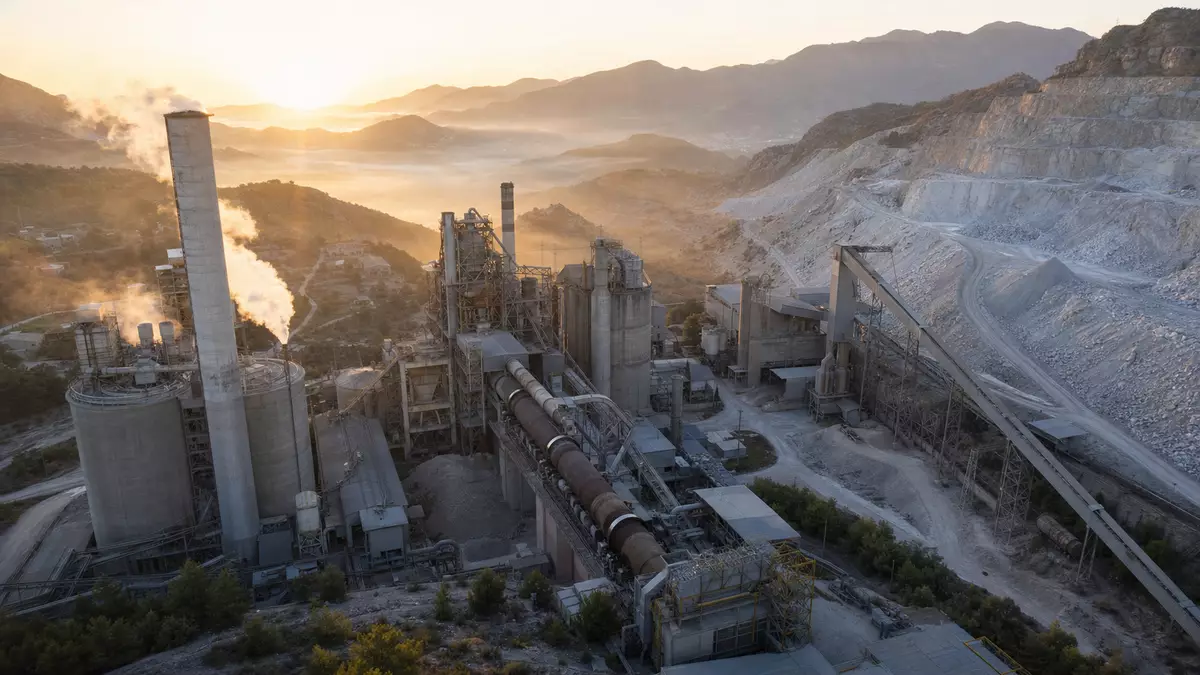
Heidelberg Materials is pressing ahead with a twin-track strategy of digital expansion and shareholder returns, even as deteriorating construction demand across Western Europe forces painful capacity cuts at home.
European competition authorities have cleared the building materials group to take joint control of Project Potter Holdings alongside private equity firm Francisco Partners. The deal, structured as a share purchase, brings the parent company of software provider Command Alkon under the combined umbrella. It marks a deliberate push to deepen Heidelberg's footprint in digital logistics solutions for construction materials and to bind its value chain more tightly together.
At the same time, the group is deploying capital to shore up its own market valuation. On Monday the company disclosed the repurchase of shares worth roughly EUR 19.76 million under its ongoing buyback program, at an average price of EUR 145.24 per share. The move signals management's willingness to return free liquidity to shareholders despite operational headwinds.
That buyback activity has been running at a brisk clip. Between September 21 and September 25, Heidelberg Materials acquired 136,073 of its own shares on the open market. Manager René Aldach also reported a personal share purchase on September 23. In the prior week, from September 14 to 18, the company had already bought back 329,452 shares for an aggregate volume of approximately EUR 49.03 million.
A Sector Squeezed by Rates and Costs
The strategic question facing investors is whether expansion into higher-margin, technology-driven business can offset the persistent weakness of traditional European construction demand. The environment for heavy building materials remains visibly clouded, with elevated interest rates and rising construction costs weighing on residential building across several core European markets.
Should investors sell immediately? Or is it worth buying Heidelberg Materials?
Heidelberg Materials is responding on two fronts: investing in efficiency and software on one side, while trimming capacity on the other as volumes decline. Whether the transformation succeeds hinges largely on how quickly the cost measures take hold and whether earnings from new activities can compensate for volume shortfalls in the core business.
The downside risk is already visible in the group's latest plant closures. About a week ago, the company announced that its French subsidiary plans to shut the Ranville cement plant in Normandy, a move affecting 87 employees. Management cited a sharp drop in cement sales driven by weak French construction demand, which has rendered continued operation of the site unprofitable. Should that demand slump spread to other Western European markets, additional closures and hefty restructuring charges could follow. Cement plants carry substantial fixed costs, meaning even moderate volume declines disproportionately erode operating profit. If the fixed-cost base cannot be aligned quickly with lower sales, margins could come under further pressure and undermine the hoped-for earnings boost from the repositioning.
Since the Ranville announcement, the stock has shed 0.7 percent.
Analysts Split on the Target, United on the Rating
Industry observers have largely kept faith with the strategic direction. Analysts at Jefferies reaffirmed their buy recommendation on September 22 with a price target of EUR 286, pointing to margin upside from the realignment. UBS confirmed its "Buy" rating the same day but trimmed its target from EUR 260 to EUR 230. The optimism rests on the expectation that a later cyclical recovery in construction would meet a significantly leaner cost structure.
The Command Alkon acquisition, in the bullish reading, serves as an effective lever for lifting operating profitability. By linking automated logistics systems with Heidelberg's global cement and aggregates network, the group can deliver efficiency gains for customers and generate additional service revenue, positioning itself more distinctly against competitors and partially escaping the cyclical swings of pure volume markets.
Geographic diversification adds further support. Roughly two weeks ago, the company agreed to acquire a 70 percent majority stake in Peruvian cement producer Cementos Inka, opening direct access to the South American market and reducing dependence on ailing Western European construction markets — though the share price has slipped 3.5 percent since that deal was struck.
Progress toward more efficient production is also advancing. Heidelberg Materials confirmed on September 23 that its UK plant in Greenwich now generates no concrete waste at all, following the installation of a recycling system for returned ready-mixed concrete. Scaling such circular processes group-wide would strengthen the resource balance and durably dampen material costs.
Heidelberg Materials at a turning point? This analysis reveals what investors need to know now.
Price Action Nears a Technical Line in the Sand
In the market, the stock recently changed hands at EUR 145.60, down 35 percent since the start of the year — a reflection of sustained investor skepticism toward the sector. The previous close of EUR 144.35 left the shares just 1.2 percent above their 52-week low of EUR 142.60.
As long as that EUR 142.60 level holds, the prospect of a durable bottom formation remains alive. A slide below it would point to a continuation of the downtrend and unleash additional selling pressure. The next directional milestones are the legal completion of the Command Alkon transaction and the orderly progress of negotiations over the French site adjustments. Those steps will reveal whether Heidelberg Materials can pull off the balancing act between cost discipline and strategic overhaul.
The bear case centers on the risk that Ranville proves no isolated case. A prolonged slump in European construction could necessitate restructuring and site closures in further countries, bringing significant one-off charges and straining earnings power. The ongoing buyback program also ties up funds that might be missed if the operational crisis deepens. Should margin erosion continue and price increases fail to take hold in the market, profit estimates could erode further — and acquisitions such as the Peruvian deal could turn into a burden if integration is delayed or demands additional capital.
For investors, the situation distills into a clear decision pattern: hold above the EUR 142.60 area and the setup for a technical rebound and fundamental bottoming stays intact; break below, and a chart-technical rupture looms that would likely release further selling pressure. The formal finalization and concrete design of the planned Ranville closure stands as the next major catalyst. If cost reductions take effect and no further sites are put on the block, that could lay the groundwork for a reassessment.
Ad
Heidelberg Materials Stock: New Analysis - 30 September
Fresh Heidelberg Materials information released. What's the impact for investors? Our latest independent report examines recent figures and market trends.


