Micron's Supply Chain Bet Is the Durable Story Beneath the AI Rally
Published on 10/28/2026 at 21:50 | Editorial boerse-global.de
Micron Technology shares climbed 4.1% on Wednesday, caught up in a broader rally across semiconductor names after SK hynix posted record quarterly profit. The results, widely covered in the media, shored up confidence in AI-related chip demand. Yet the more instructive item for anyone weighing the stock may be a financing announcement that has nothing to do with the daily tape.
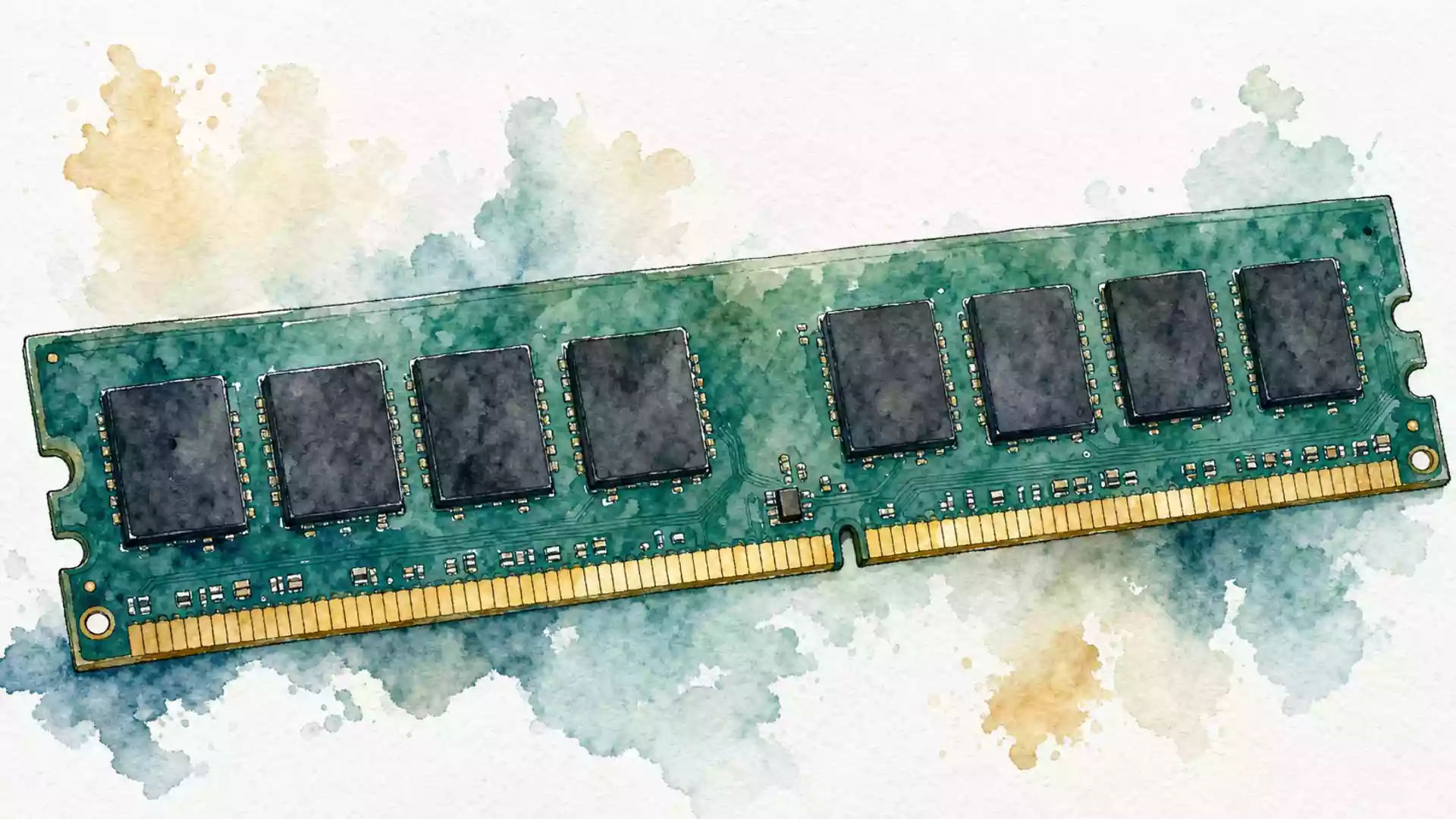
On October 21, Micron unveiled a strategic investment in Indium Corporation's expansion in Rome, New York. The project covers refining of critical minerals and production of high-purity materials, and it comes with a long-term supply agreement intended to give Micron access to those materials. The pairing of funding and planned offtake is what makes the disclosure worth studying: it shifts attention from the size of the next demand impulse to the groundwork Micron is laying to capture it.
Company statements place the Indium commitment within a broader plan to invest up to $3 billion in the US supply chain. That figure describes the overall envelope, not the individual contribution to Indium — a distinction worth keeping straight. A large investment framework does not by itself make any single project large or economically successful.
The judgment here is about direction, not demonstrated financial return. Tying up with a materials supplier points to forward planning. It is not proof that every supply risk has been solved, and a planned long-term arrangement should not be read as a signed contract.
SK hynix's Record and the Limits of a Rival's Forecast
The industry backdrop is genuinely supportive. SK hynix's record quarter has been read as a signal that memory shortages could persist until 2030 — a forecast that underpins the bullish sector view. It remains, however, one competitor's projection. It reveals nothing about Micron's future earnings or the success of its own initiatives. Wednesday's advance follows a strong session the day before, when Micron and other chip names rose amid media reports linking the broader upturn to fresh AI developments, including an expanded partnership between NVIDIA and Meta Platforms.
Should investors sell immediately? Or is it worth buying Micron Technology?
That is a favorable environment. It does not substitute for examining how competition is shifting and which technical steps Micron is preparing on its own account.
China's HBM Ambition Deserves a Second Look
Even as the market focuses on the upside, China has offered a hint of where the next competitive push may come from. Reuters reported that CXMT plans limited production of HBM3E within the next two months, with usable yields on some output reaching only 20%. Reuters counts Micron among the established HBM suppliers, so the planned entry targets a market where the company is already present.
The report should be neither overstated as an immediate threat nor dismissed as irrelevant. An announced limited run is not evidence of competitive manufacturing at scale, and the low yield underscores that technical access and economically viable production are separate hurdles. Still, ignoring a planned market entry simply because of those difficulties would be short-sighted. The more interesting question for investors than any single day's move is how much lead established memory suppliers can preserve when newcomers pursue entry despite serious manufacturing problems.
Micron's Own Roadmap Is the Company-Specific Answer
Micron laid out its next DRAM steps in a technology webinar on October 21. Volume production of its next described manufacturing generation is slated for the second half of 2027. Wafer bonding, vertical HBM and vertical memory for inference at the network edge were also among the initiatives presented. What matters is the direction rather than the vocabulary: further development in manufacturing and memory architecture — the company-specific complement to the general AI enthusiasm. These are plans, not completed production gains, and that line should hold for anyone valuing the stock on the structural shift in AI memory.
Labor Is Part of the Operating Equation
Execution is not purely a technical matter, as the labor dispute in Taiwan shows. According to an AFP report, some workers at the Taoyuan plant walked out on October 22 over demands for profit sharing; Micron said it remained open to talks. Reuters reported the same day on a new global bonus system for employees starting in fiscal 2027, with quarterly payouts tied to company profit and paid on top of annual incentives, split equally between cash and stock. The backdrop was union pressure for a share of earnings.
The Taoyuan union went ahead with its planned one-day strike regardless. At the larger Taichung site, Micron had reached a separate labor agreement roughly a week earlier. The two facts belong together: a deal at one location does not automatically resolve a dispute at another. The new compensation rule is a understandable attempt to give staff a bigger stake in the company's success, but a pay policy and a workable settlement with a union are not the same thing.
What the Rally Does and Doesn't Confirm
On balance, the supply chain initiative carries the stronger positive signal: Micron is addressing a concrete precondition of its business rather than relying on demand alone. Wednesday's share price move adds no confirmation of that. Execution is what counts, which is why the planned materials access and a durable approach to industrial relations deserve more attention than the stock's tendency to move in step with other chip names. The sector trend opens the door; the company has to walk through it.
Ad
Micron Technology Stock: New Analysis - 28 October
Fresh Micron Technology information released. What's the impact for investors? Our latest independent report examines recent figures and market trends.