Nokia Faces a Twin Test: SoftBank's 2027 AI-RAN Trial and a Capacity-Constrained Q3
Published on 10/20/2026 at 03:01 | Editorial boerse-global.de
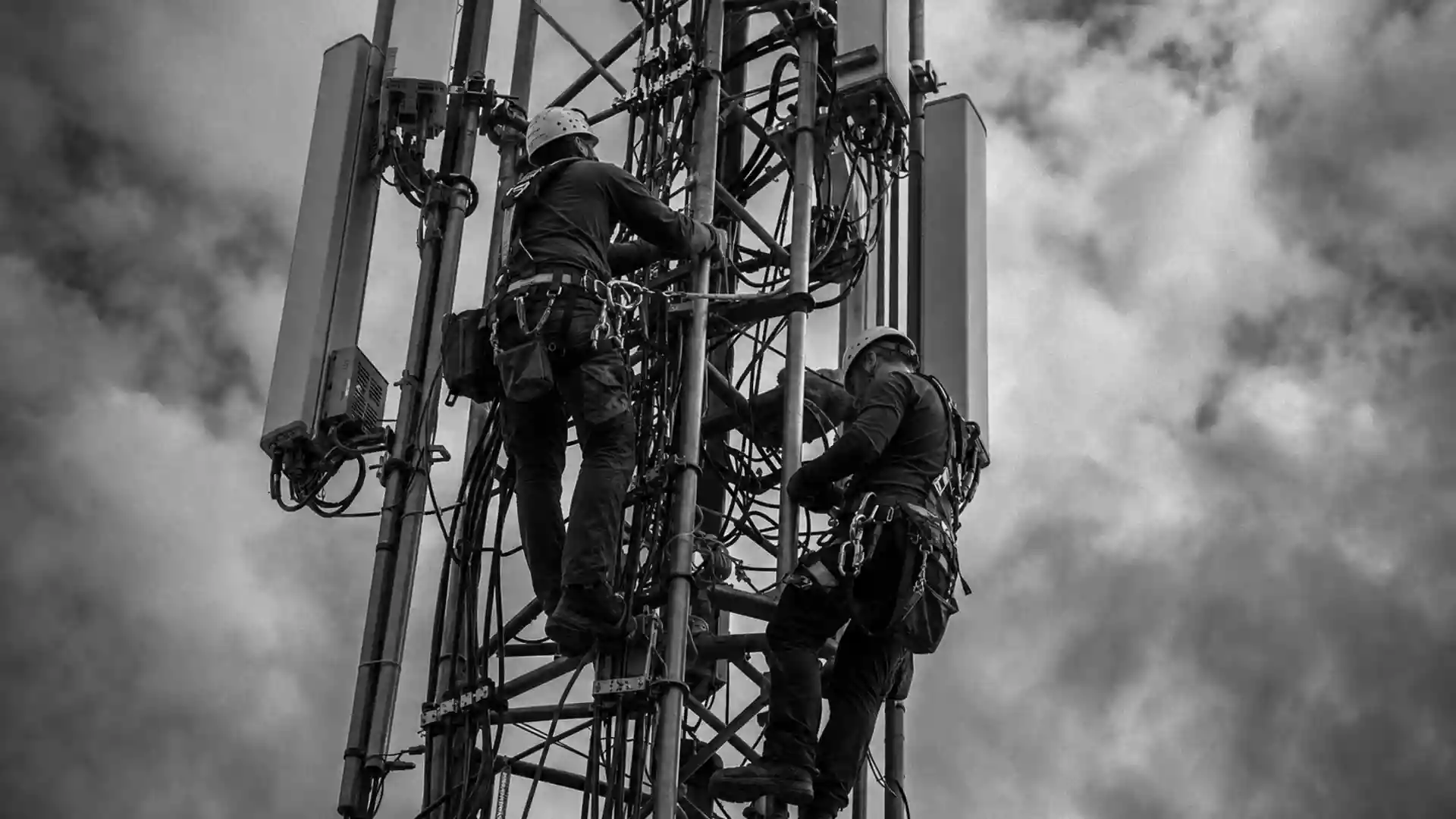
Nokia has lined up a commercial AI-RAN field trial with SoftBank in Japan, with testing slated for 2027, the company said Friday. The arrangement pairs Nokia's anyRAN software with SoftBank's AITRAS platform — a specific combination of the two vendors' technologies that stops at proving the concept rather than committing to a wider commercial rollout.
The timing matters for how the announcement should be read. The trial sits in the coming year, making it a next technical step rather than a deployment already in the bag. Arelion, by contrast, has already run its test: on 8 October, Nokia equipment carried traffic over a 500-kilometre optical link between Amsterdam and London, widening the usable optical spectrum by roughly 21%. Arelion ran the trial on its own network with Nokia supplying the gear, so the two projects differ both in technical domain and in maturity — one is done, the other merely agreed.
Portfolio Surgery Runs Alongside the Lab Work
Nokia is also reshaping what it owns. On 13 October it signed a binding agreement to sell its Enterprise Campus Edge business to AURELIUS, with closing expected in the first half of 2027 subject to customary conditions. Signing is not completion, and the transaction still has to clear its remaining hurdles — one more milestone on the company's to-do list alongside the technical projects.
Thursday's Report Is the Nearer Financial Checkpoint
The sharper financial snapshot arrives on Thursday, when Nokia publishes its interim report for the third quarter and the first nine months of 2026, due around 8 a.m. Finnish time, followed the same day by a webcast for analysts. That sets up a collision of time horizons for investors: the figures document how the business performed in the reporting period, while the SoftBank trial and the expected AURELIUS closing mark execution steps for next year.
Should investors sell immediately? Or is it worth buying Nokia?
Bank of America, for its part, has reiterated its buy rating and a €16 price target, framing additional production capacity as the key to further growth. The bank's case ties strong demand for AI infrastructure to a caveat: Nokia could raise its full-year guidance if it can secure more capacity. That puts deliverability, not just order intake, under the spotlight ahead of Thursday.
Analysts at the bank see extra orders for switches and the Nvidia collaboration on AI-driven radio access networks as growth opportunities, while supply-chain bottlenecks are mounting in their view. The distinction is an important one — big orders signal demand but do not guarantee revenue arriving on the same schedule. What Nokia says about manufacturing and component availability therefore carries real weight.
Bank of America expects AI-related orders above €2bn, of which at least €1.6bn should come from optical networks and €400m from switches. That would land below the prior quarter's level, so the buy case does not hinge on a fresh order record at every release; execution and longer-term growth potential matter more. In the second quarter of 2026, Nokia booked €2.8bn in AI and cloud orders, roughly half of which is expected to ship within twelve months, according to Inderes' preview.
Revenue Growth Without a Matching Earnings Leap
Inderes forecasts third-quarter 2026 revenue of €5.019bn, up 6.8% year on year, with adjusted operating profit of €435m. The preview hardly paints a picture of an immediate earnings surge: Nokia expects the timing of software sales to keep profit at roughly the prior quarter's level. Whether management's commentary on the business outlook outpaces the near-term earnings trend will therefore shape how the report is judged.
Network infrastructure is Inderes' growth engine, with revenue seen up 14% — optical networks up 20% and IP networks up just under 20%. AI and cloud demand should underpin that, though the analysis house is watching component availability and pricing, factors that help decide how much of the demand converts into profitable business.
Nokia at a turning point? This analysis reveals what investors need to know now.
Long-Term Targets Under Scrutiny
For 2026, Nokia has guided to adjusted operating profit of €2.1bn to €2.6bn, and Inderes' €2.39bn estimate sits inside that range. Expectations climb beyond the annual outlook, however. Inderes chief analyst Antti Viljakainen today called the long-term financial targets low given the stock's rich valuation, with investors looking for positive long-term commentary and possibly higher goals. By 2028, Nokia is aiming for comparable annual operating profit of €2.7bn to €3.2bn, with an operating margin of 13% to 17% for network infrastructure.
The quarterly report thus has to deliver more than evidence of rising demand. For Bank of America's optimistic stance to hold, Nokia would need to show progress on production capacity — only then does the prospect of a higher full-year guidance rest on firmer ground.
Ad
Nokia Stock: New Analysis - 20 October
Fresh Nokia information released. What's the impact for investors? Our latest independent report examines recent figures and market trends.