Novo Nordisk Faces a Two-Speed Test: Australian Shelf Space and a Guidance Band That Still Bends Negative
Published on 11/17/2026 at 16:11 | Editorial boerse-global.de
Novo Nordisk's next chapter will be written as much in pharmacy queues and reimbursement rules as in clinical journals. Two developments — a fast-closing Australian tablet race and a raised but still contraction-permitting outlook — frame the same question for investors: when do scientific wins start showing up in revenue?
Lilly's Australian Head Start
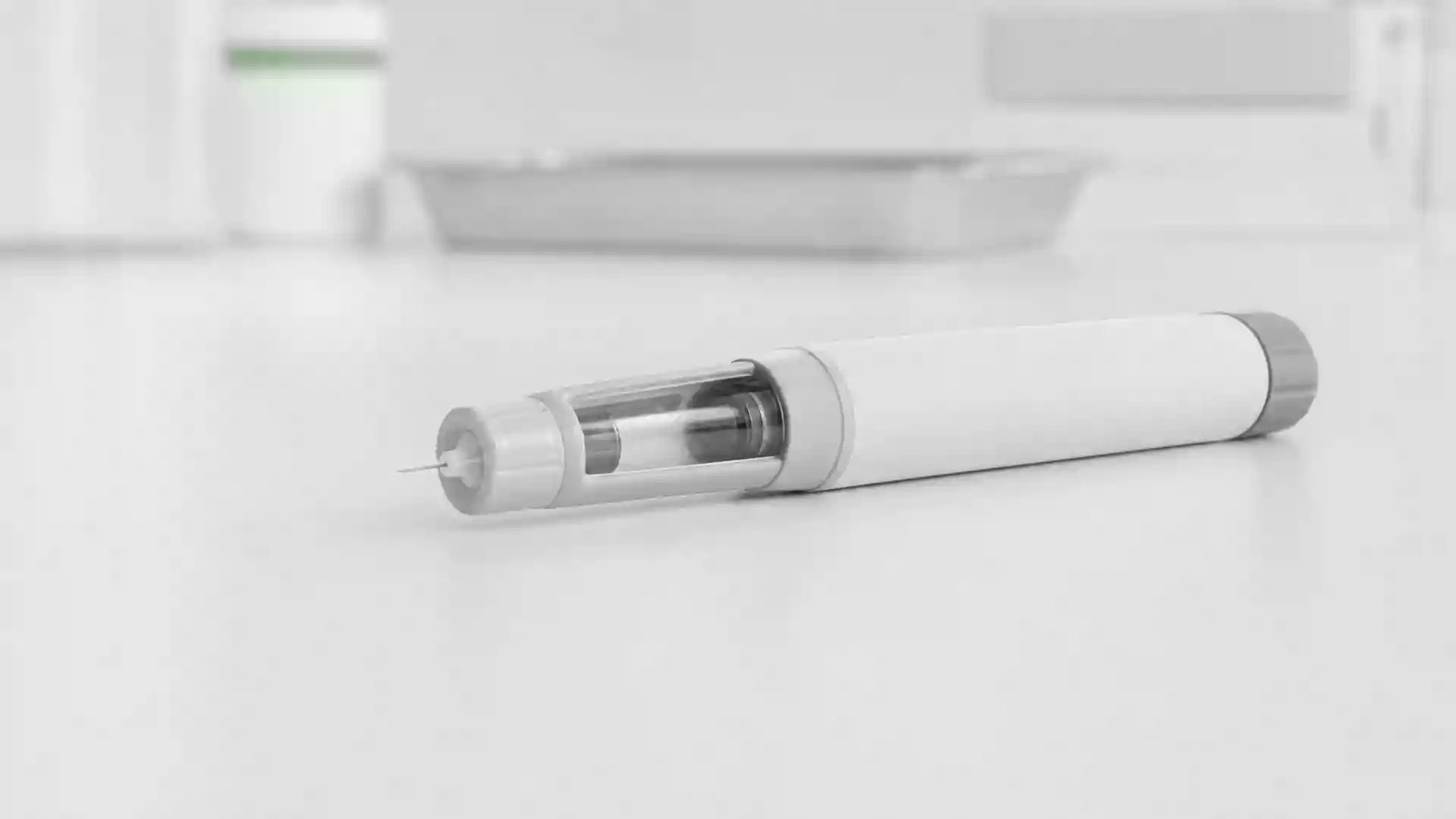
Australia's Therapeutic Goods Administration has cleared Eli Lilly's Foundayo for both weight management and type-2 diabetes, broadcaster Nine reported yesterday. Novo's Wegovy tablet was approved earlier, at the start of November. The distinction that matters is timing on shelves: Foundayo is expected within days, while Wegovy supply is not slated until the end of 2026.
That gap is the crux for shareholders. A regulatory green light is one thing; a commercial launch is another, and Lilly appears poised to reach self-paying patients first. Foundayo's reported monthly price sits at AUD 250–370 depending on dose. The Wegovy tablet carries a recommended monthly price of AUD 260–395, according to the Australian Financial Review — a list recommendation, not a statement of realised sales.
Reimbursement shapes this contest as much as price. Australia's PBS generally does not subsidise GLP-1 medicines prescribed purely for weight loss, and both tablets are prescription-only. With consumers footing the bill, cost and convenience become the battleground. On the convenience side, Foundayo can be taken at any time of day, whereas the Wegovy tablet must be swallowed in the morning on an empty stomach. Neither detail guarantees commercial success, but both are concrete features of the competing offers.
The Guidance Bar Is Higher Than It Looks
Back at group level, the yardstick is the full-year forecast lifted on 4 November: adjusted sales and operating profit are each expected to land between -2% and +2% at constant exchange rates. The upgrade is a positive signal, yet it is not a promise of growth — both ranges still permit a decline. Anyone betting on an operational turnaround has to separate improved expectations from growth already banked.
Should investors sell immediately? Or is it worth buying Novo Nordisk?
That distinction gains weight from a steady flow of study news. Novo yesterday published further semaglutide results in children with obesity, alongside CagriSema analyses. These bolster the medical case. Whether they translate into durable economic progress is a separate test — trial success and business success are not the same checkpoint.
STEP Young and the CagriSema Signal
The positive scenario runs like this: Novo confirms its improved business expectation while further development steps widen the uses of its compounds. Yesterday's Phase 3 STEP Young results, published in the New England Journal of Medicine, offer a medical foothold. According to the company, the estimated mean change in body-mass index at 68 weeks was -17.4% on semaglutide versus +2.2% on placebo in children with obesity. What counts economically is that these results may strengthen the clinical argument for semaglutide in the studied group — a resulting revenue effect is not established.
Sunday's post-hoc CagriSema analyses point the same way. Novo reported that 67.8% of treated participants responded early, achieving at least 5% weight loss by week 8. The investor value of such analyses lies first in a better grasp of treatment response, not in a settled earnings impact.
Where the Downside Lives
The bear case needs no clinical failure. It would suffice if convincing trial data fail to become economically effective quickly enough and the business lands at the bottom of the guidance range. The raised band offers no protection against a renewed decline.
There are also limits to what any single result can say. A post-hoc look at early responders describes a selected group whose outcomes cannot simply be extrapolated to all patients, and findings in one age group must not be read as general proof of efficacy elsewhere. The core risk for investors is conflating different levels of evidence: a trial result is not an approval, an application is not a clearance, and a planned launch is not realised revenue. The more an investment case rests on future progress, the more this matters.
CagriSema, FREHEMGO and the Execution Calendar
Alongside the Australian tablet launch, Novo awaits a US decision. It expects the FDA verdict on CagriSema for weight control in the fourth quarter of 2026, with a US launch planned for early 2027, subject to approval. CagriSema, intended as Wegovy's successor, combines GLP-1 with amylin; the ObesityWeek readouts supply clinical context but substitute for neither the regulatory decision nor the subsequent rollout.
Further implementation steps will have to carry the expectations. First European launches of FREHEMGO are planned for next year, following European Commission approval on Friday for preventing or reducing bleeding episodes in haemophilia A — the commercial start remains a scheduled step. Additional potential catalysts come from applications filed Thursday for Etavopivat with the FDA and EMA; future decisions could shift the development outlook, though the filings do not pre-empt them.
For now, the Australian approval is secured and the next tests there are availability, price and access. On CagriSema, the FDA decision stays decisive. A plausible, gradual growth turnaround holds as long as Novo confirms its raised guidance and backs medical progress with tangible execution — positive headlines alone will not tip the balance.
Ad
Novo Nordisk Stock: New Analysis - 17 November
Fresh Novo Nordisk information released. What's the impact for investors? Our latest independent report examines recent figures and market trends.