

Novo Nordisk's Irish Plant Nears Completion as FDA Review and Buybacks Shape the Outlook
Published on 10/11/2026 at 15:40 | Editorial boerse-global.de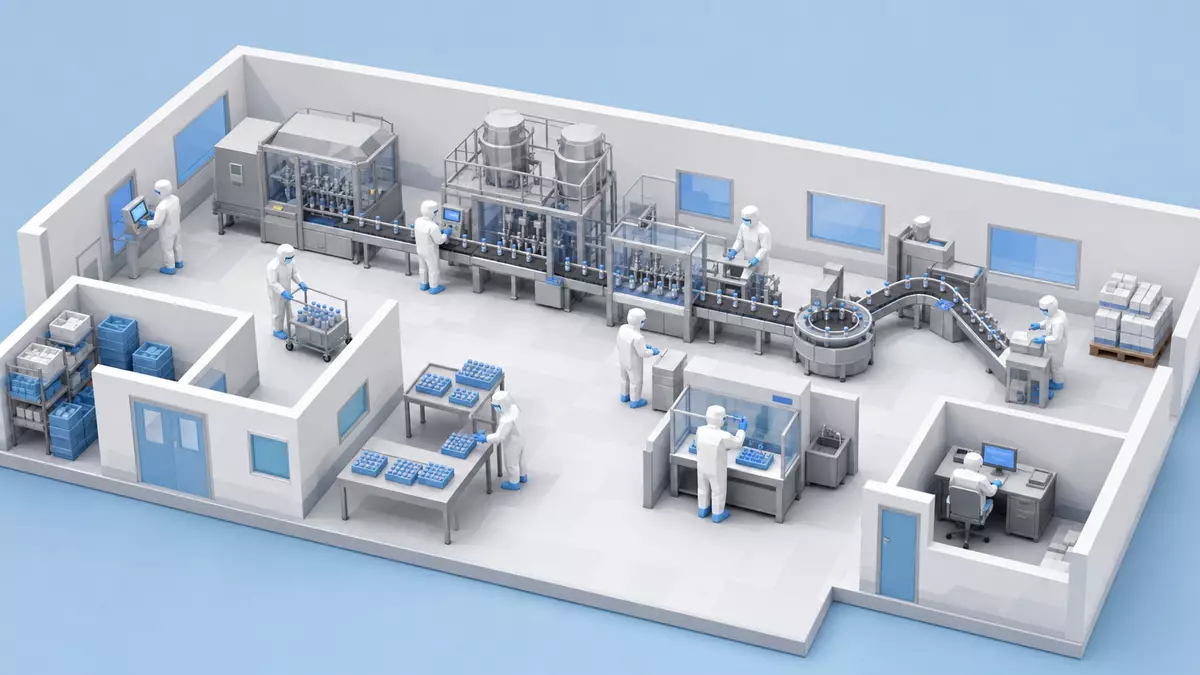
Novo Nordisk is putting the finishing touches on a EUR 432 million expansion of its manufacturing site in Athlone, Ireland, a project that underscores how heavily the Danish drugmaker is betting on industrial capacity rather than headcount growth. The company has already signalled that the eight-figure investment will not automatically translate into new permanent jobs; the priority is upgraded equipment capable of meeting its long-term output requirements.
That emphasis on the factory floor has become a recurring theme. Remediation work at a production facility has spilled over into regulatory timelines, though Novo Nordisk was careful to note that authorities raised no concerns about the efficacy or safety data it submitted. The company insists the holdup leaves its 2026 financial guidance untouched.
Denecimig Timeline Holds Despite FDA Delay
The most visible consequence is the ongoing review of Denecimig, the group's haemophilia A candidate. The US Food and Drug Administration is continuing its assessment while the manufacturing fixes are carried out, and it has not set a fresh date for a final decision. Management's commercial target remains intact: a US market launch in the first half of 2027, provided approval comes through. Novo Nordisk reaffirmed that the setback does not alter its financial outlook for 2026.
Beyond its core franchises, the company is working to widen its clinical pipeline. Roughly two weeks ago it secured exclusive rights to HRS-1596 through a licensing agreement with Jiangsu Hengrui Pharmaceuticals. The deal carries a USD 300 million upfront payment and could reach a total value of up to USD 2.6 billion if milestone payments are triggered.
Should investors sell immediately? Or is it worth buying Novo Nordisk?
CagriSema and Wegovy Data Strengthen the Obesity Case
Detailed results for the obesity candidate CagriSema, also unveiled about two weeks ago, showed a 22.4 percent reduction in body weight after 52 weeks, alongside a marked decrease in fat tissue in the liver, pancreas and abdomen. Separate findings released around the same period indicated that patients who switched from injectable GLP-1 treatments to the Wegovy pill shed an average of 4.1 percent of their body weight over three months. Earlier research had already pointed to potential benefits of semaglutide in obese patients with elevated liver fat.
Capital returns are running in parallel with the research effort. Under its existing buyback programme, Novo Nordisk had repurchased 36,604,179 B-shares by 2 October, spending more than DKK 10.24 billion since the scheme began on 4 February. The programme's total ceiling stands at up to DKK 15 billion.
Citi Trims Its Target as the Stock Lags
Sentiment on the equity remains subdued. Citi Research lowered its price target from DKK 310 to DKK 296 about two weeks ago, keeping a Neutral rating and pointing to limited prospects for margin growth through 2030. Shares closed Friday at EUR 34.40, a gain of 1.3 percent on the day, yet the stock is still down 22 percent since the start of the year.
Investors will get a fuller picture of operating momentum in a few weeks, when Novo Nordisk publishes results for the first three quarters of the year on 4 November 2026.
Ad
Novo Nordisk Stock: New Analysis - 11 October
Fresh Novo Nordisk information released. What's the impact for investors? Our latest independent report examines recent figures and market trends.


