Nvidia's Order Book and Its Balance Sheet Are Telling Two Different Stories
Published on 10/24/2026 at 10:41 | Editorial boerse-global.de
Nvidia finds itself caught between two narratives that rarely appear in the same sentence: Chinese customers are lining up for its hardware in volumes the company cannot fully supply, while investors are growing louder about how the broader AI build-out gets paid for. Both stories are true. Neither cancels the other out.
The stock's 4.4% slide on Thursday came amid a broad retreat from AI names, with media reports pointing to renewed anxiety over AI spending and rising oil prices tied to the Iran conflict. A report from the Associated Press also cited worries about climbing credit costs for data centers and chip purchases, alongside doubts that valuations had run ahead of business fundamentals. Reuters noted a stabilization in tech shares yesterday following the selloff, though nervousness about the AI investment theme persisted—and Houthi attacks in Saudi Arabia kept pushing crude higher, offering no all-clear for the wider market.
Because the drop swept up other AI stocks at the same time, it says little about Nvidia's individual product announcements or partnerships. It was a sector-wide move, not a verdict on any single deal.
Demand Is Not the Problem
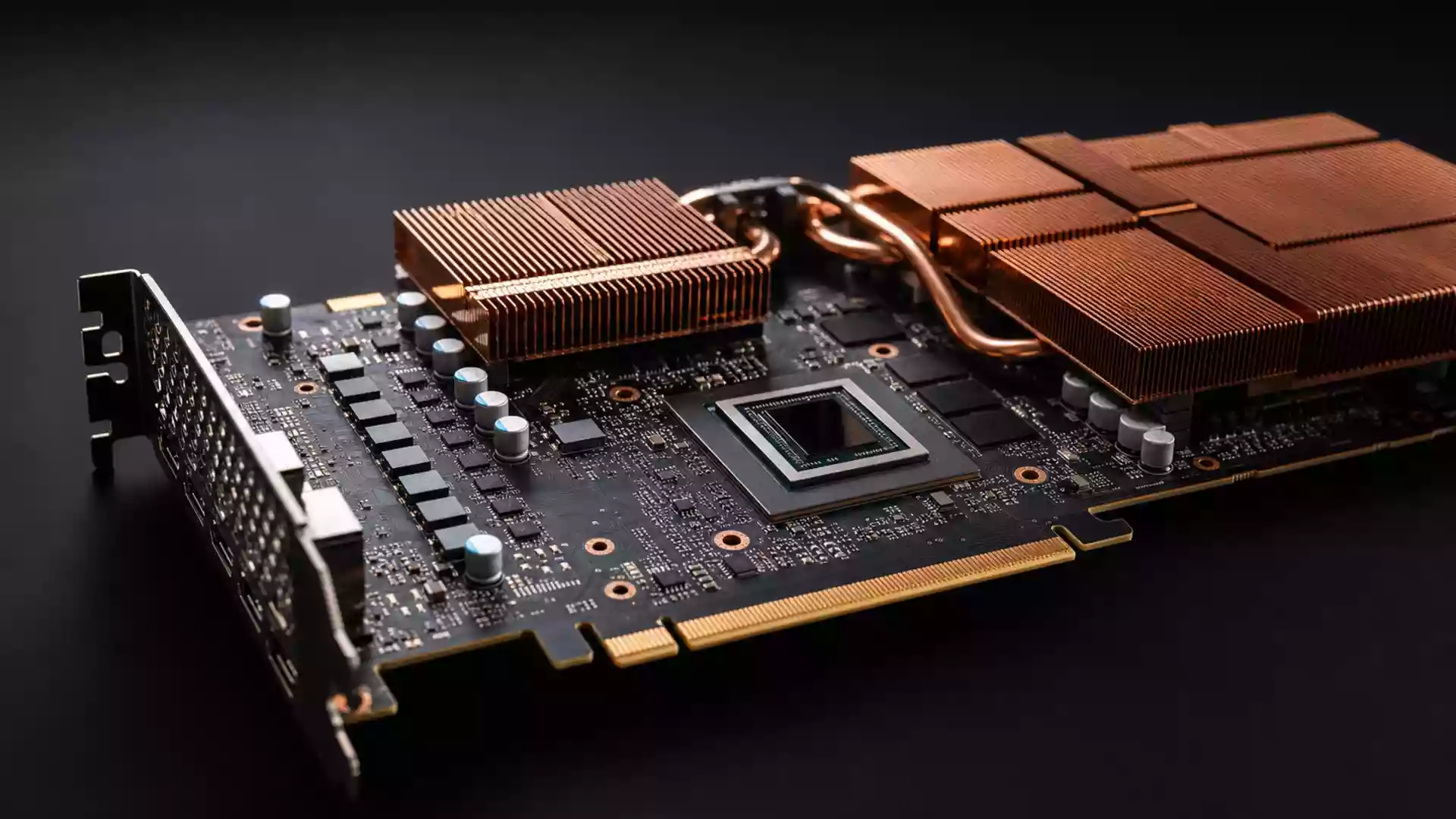
The counterweight arrived Tuesday via Reuters: ByteDance, Alibaba and Tencent together ordered more than 3 million RTX PRO 5500 chips, a package worth upwards of $35 billion. Total Chinese orders reportedly topped 6 million cards.
Should investors sell immediately? Or is it worth buying Nvidia?
Yet orders and output are different animals. According to the report, Nvidia could not guarantee delivery—and for good reason. The company has pegged its worldwide production ceiling at 3 million cards for 2027, roughly half the Chinese order volume alone. Booked demand, in other words, does not translate into shipped product or recognized revenue.
Nvidia moved on the supply side Wednesday, announcing agreements to expand capacity for substrates, advanced chip packaging and testing. Those steps target the manufacturing bottleneck, but they do not by themselves settle the question of whether customers can sustain their spending levels.
A Commercial Network Call, Not a Lab Demo
On the deployment front, Nvidia reported Wednesday that T-Mobile, working with Nvidia and Nokia, completed what the companies describe as the world's first AI-RAN call on a commercial network. That distinction matters: this is a finished use case in a live network, not a product launch. BT, Deutsche Telekom and Elisa have separately announced tests or pilot projects running Nokia software on Nvidia's Aerial RAN Computer—the next round of trials, not full-scale operations.
Elsewhere, Reuters reported Monday that AI cloud startup Modal intends to run on Nvidia's Vera processor, a switch from its previous use of Intel and AMD chips. The significance lies less in added compute capacity than in which vendor wins the silicon behind a specific workload. Also Monday, Nvidia and the German government agreed to cooperate on "physical AI" models and industrial AI applications, with access extended to smaller mid-sized companies and research institutions.
Nvidia at a turning point? This analysis reveals what investors need to know now.
Two Questions, Kept Separate
These announcements span a wide range of maturity—a completed commercial call sits alongside pilots, a planned processor migration and a signed cooperation agreement. Concrete applications demonstrate adoption. They do not answer the financing question that surfaced Thursday.
For investors, the useful discipline is to hold two questions apart rather than blur them together: what Nvidia can actually deliver, and how the market prices the AI investments standing behind it. Operational headlines and a more cautious shareholder mood are not in conflict—they speak to different preconditions for the next leg of growth.
Ad
Nvidia Stock: New Analysis - 24 October
Fresh Nvidia information released. What's the impact for investors? Our latest independent report examines recent figures and market trends.