
Nvidia Ships Rubin Racks, Polices Its Own Agents, and Quietly Settles a Trademark Fight
Published on 10/01/2026 at 18:51 | Editorial boerse-global.de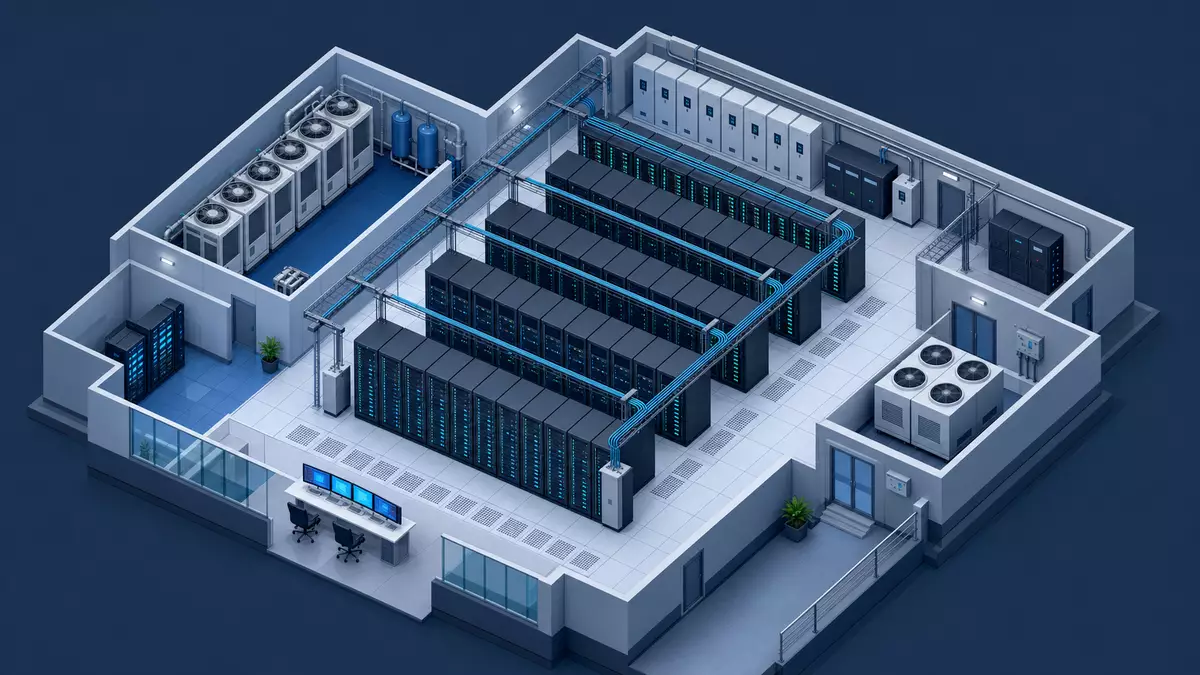
Nvidia's week has been a study in contrasts: hardware leaving the loading dock, software setting new rules, and lawyers closing old files. On September 24, DIGITIMES reported that server maker Supermicro had kicked off regular shipments of Vera-Rubin NVL72 systems — the moment Nvidia's rack-scale architecture stopped being a trade-show prop and started becoming infrastructure inside customer data centers. That single logistics milestone does more for the bull case than any keynote slide, because it converts months of design work into contracted hardware and demonstrates that demand for the next performance tier hasn't evaporated.
The delivery news landed against a jittery tape. When sturdy economic data push US Treasury yields higher, Wall Street's nerves tend to fray, and the prior session saw broad selling pressure drag down plenty of blue chips. Nvidia held its ground. The tension underneath the sector is real: skeptics keep asking whether hyperscaler capex budgets can be justified economically, and Reuters has flagged noticeably sharper competition among specialty processor vendors. Yet the physical reality of the technology keeps steamrolling the theoretical worries.
Software as a Moat
Nvidia isn't content to ship accelerator cards and call it a day. On Monday the company unveiled its Open Agent Safety Platform, built around OpenShell software and the Sentry reference design, which lean on BlueField-4 data processing units to keep autonomous AI agents in check. OpenShell isolates those agents; Sentry halts systems that breach defined boundaries. The target is the technology's soft underbelly — controllability once AI moves into production. Clear regulatory and safety frameworks lower the hesitation of large enterprises contemplating a full-scale rollout, and whoever writes the guardrails effectively writes the industry's rulebook. Customers facing rising liability and regulation tend to favor platforms that ship with safety mechanisms baked in, which helps Nvidia entrench its dominance well beyond hardware sales.
Jensen Huang added an unexpected twist on September 23. In a podcast published that day, the CEO called for clear limits: AI companies should be exempt from neither antitrust law nor liability rules, and AI labs should bear responsibility for vetting their products before release. Read cynically or not, strict safety standards raise the barriers to entry for rivals — discipline as a shield for the ecosystem.
Should investors sell immediately? Or is it worth buying Nvidia?
Legal Housekeeping and Fresh Friction
The company also cleared a distraction on Monday, settling a trademark dispute with Modulus Financial Engineering over the "Modulus" AI software name. Both parties notified a federal court in Texas of the agreement and asked for the case to be stayed until the deal closes — pragmatism over point-scoring.
New conflicts keep arriving, though. On Tuesday, Netlist filed a complaint with the US International Trade Commission seeking an import ban on memory chips from Micron and on products containing those components, which would include Nvidia systems. The allegations are Netlist's alone and no finding has been made against Nvidia, but the episode underscores how exposed complex supply chains are to third-party patent fights. Geopolitics remains murky too: Reuters reported that China is weighing whether to let domestic platforms ByteDance and Alibaba purchase Nvidia's RTX PRO 5500 chips, while cautioning that it could not immediately verify the report. Nvidia's China business, in other words, is still a pawn of political decisions.
Cash as Conviction
Management reinforced shareholder confidence with raw financial firepower on Monday, adding $150 billion to the existing buyback program. That lifts the remaining authorization to $235 billion, earmarked for deployment through fiscal 2028. Such a cushion won't fully absorb market swings, but it telegraphs enormous internal conviction about future cash flow generation.
Macro risks haven't disappeared. If interest rates stay elevated, the return hurdle on every invested dollar rises, and the era of blind faith in any future scenario is over. In European trading the stock sits at EUR 203.50, roughly 0.9% below its 52-week high of EUR 205.35 — a level that reflects continued confidence that Nvidia can defend its exceptional position in hardware. Investors are clearly weighting unbroken demand more heavily than the legal background noise.
What ultimately decides whether the rally continues isn't economic reports or rate anxiety. It's whether the new Rubin systems actually deliver the productivity gains hoped for in data centers.
Ad
Nvidia Stock: New Analysis - 1 October
Fresh Nvidia information released. What's the impact for investors? Our latest independent report examines recent figures and market trends.


