

Nvidia Spreads Its AI Bets Across Research, Finance and European Startups
Published on 10/14/2026 at 09:51 | Editorial boerse-global.de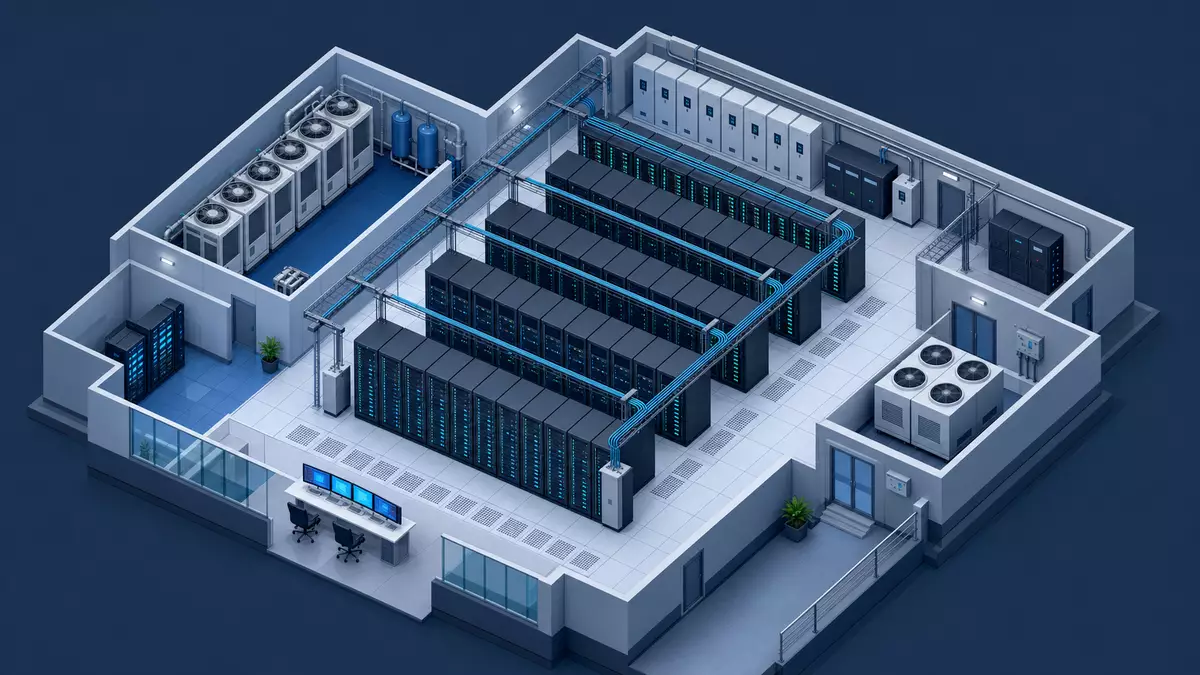
Nvidia is assembling a broad patchwork of commitments that touch everything from British safety research to French startup equity and a planned Danish data center. The common thread is AI infrastructure — but the financial character of each move differs sharply, and investors would be wrong to read them as a single revenue signal.
A $250 million research pledge in the UK
The chipmaker has committed $250 million in computing power to British research into the safety of agentic AI, according to Reuters. The support runs over five years and works out to roughly $50 million in annual compute access. Nvidia is effectively donating research resources rather than selling them, which means the arrangement should be read as research backing, not as a commercial customer order — even though both involve the use of AI compute.
The British initiative is aimed squarely at safety questions surrounding agentic AI systems, with Nvidia providing access to processing power across multiple years. The emphasis is on sustained support rather than a one-off handover of resources.
That pledge sits alongside a separate research push: on October 8, Nvidia announced commitments worth $1 billion over five years to advance science and superintelligence research in the United States, spanning quantum computing, healthcare and energy security. Both programs fund research, but they diverge in substance — the UK commitment addresses agentic AI safety, while the American effort covers a spread of scientific applications.
Should investors sell immediately? Or is it worth buying Nvidia?
Market data and open-source software round out the picture
On the commercial side, Reuters also reported a partnership between Nvidia and the London Stock Exchange Group. The tie-up is designed to help financial institutions process and analyze tick history market data faster and at greater scale. Unlike the research pledge, this collaboration targets a concrete financial-sector workflow, with the focus on handling and interpreting market data.
A further thread came a day earlier, when Nvidia opened up its Run:ai software platform. According to the company, the full platform is now available as open-source software within its DSX AI Factory Platform. Taken together, the announcements operate on different levels — compute access, the use of market data, and software availability — all tied to AI infrastructure. For any economic reading, the key distinction remains that research commitments are not customer revenue.
Scaleway picks Nvidia systems for a Copenhagen site
Separately, Scaleway announced a Copenhagen AI compute site that will rely on Nvidia hardware. The company said the facility will run NVIDIA HGX B300 systems, giving the project a specific technical foundation. The announcement concerns a future site, not one already in operation.
For Nvidia, the project represents a concrete planned deployment of its systems, though no particular revenue contribution or timeline can be inferred from it. The relevance for shareholders lies first in Scaleway's technology choice; the actual scale and execution of the project would be what matters for any economic assessment. The plan differs from a vague declaration of intent to expand AI capacity, since Scaleway named the intended systems outright — yet the line between planned infrastructure and live operations still matters.
Equity stakes offer a different route in
Nvidia is taking another path with its French startup holdings. Reuters reported, citing Les Echos, on agreed stakes in Doctolib, Genesis AI, Pigment and Entalpic. Doctolib confirmed a minority investment, while Genesis AI confirmed Nvidia as a strategic investor.
Nvidia at a turning point? This analysis reveals what investors need to know now.
Neither the size nor the value of the Doctolib stake was disclosed, so the holding in the French healthcare platform cannot be weighed financially. The Genesis AI confirmation, likewise, is best classified as an investor relationship rather than evidence of a specific order for Nvidia.
That distinction is central to assessing the news. An equity agreement describes a capital relationship, whereas Scaleway's decision concerns the planned use of specific systems. Both may matter for Nvidia's future trajectory, but they represent different economic realities. Investors should resist bundling the announcements into a single revenue message: the data center project supplies a concrete technical deployment plan, while the confirmed stakes document additional corporate ties whose financial weight stays tied to how they are actually structured and executed.
Ad
Nvidia Stock: New Analysis - 14 October
Fresh Nvidia information released. What's the impact for investors? Our latest independent report examines recent figures and market trends.


