Rail Firms Face Liability Demand After Fatal Bedford Crash
Published on 08/05/2026 at 20:57 | Redaktion boerse-global.de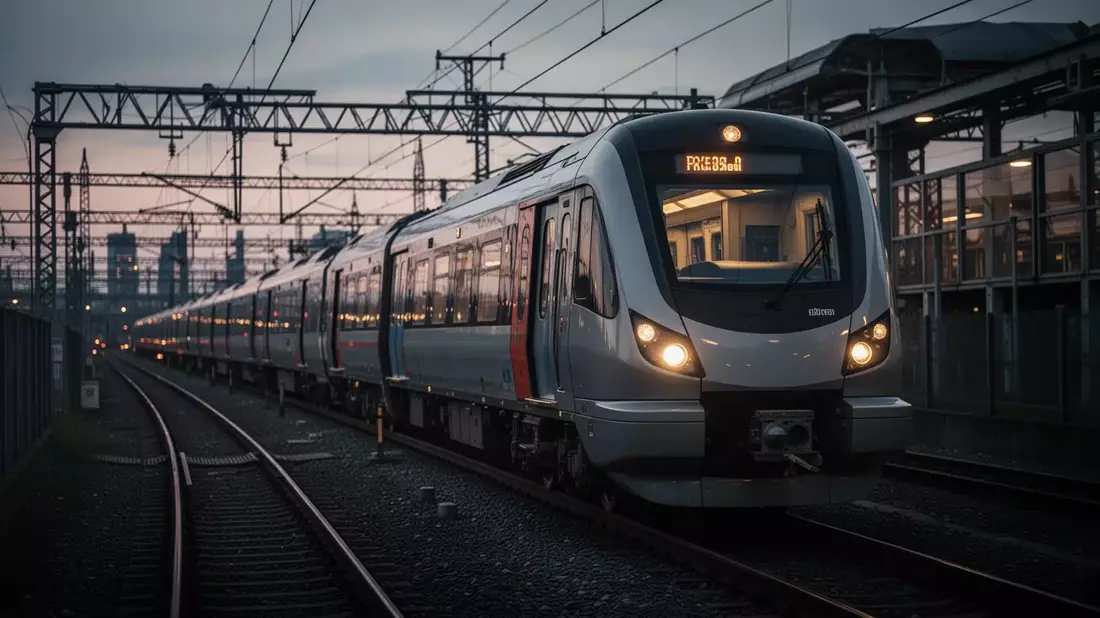
Legal representatives have formally asked East Midlands Railway (EMR) and Network Rail to accept liability for a fatal train collision near Bedford in June, in a move that could shape how the rail industry handles compensation for major incidents. Collins Solicitors issued the request on August 5, 2026, seeking swift redress for victims of the crash, which killed one person and injured more than 160 others.
What Happened on June 19
The collision occurred at approximately 17:15 BST near Elstow, involving services running between Corby and Nottingham. Investigators believe the train was travelling at 49 mph when it passed a red signal, and the absence of a Train Protection and Warning System (TPWS) has been cited as a primary factor.
The crash claimed the life of the train driver, 60-year-old Shaun Burton. Casualty reports show 162 passengers were injured in total: 102 were hospitalised, with 11 sustaining very serious injuries and 32 classified as seriously injured. A further 57 passengers suffered minor injuries.
The rail line remained closed for several days to allow for recovery work and initial site investigations, reopening to traffic on June 28.
Investigations and Safety Concerns
The Rail Accident Investigation Branch (RAIB) and British Transport Police continue to examine the circumstances of the Bedford crash. In a separate development, the RAIB has recently raised safety concerns over other rail incidents, recommending improvements to automatic sanding systems and driver training following a head-on collision in Mid-Wales.
Safety failures of this kind highlight how critical thorough risk assessment is in any transport or workplace environment. Many employers underestimate the gaps in their own safety documentation until an incident forces a review. A free toolkit with 41 ready-to-use templates and checklists can help you document and manage workplace risks properly, covering areas like fire safety, manual handling, and lone working. Download the free Risk Assessment Toolkit
Lawyers for the Bedford victims have stressed that the rail operators must take responsibility for the safety failures that led to the crash. Local officials, including Mayor Tom Wootton, have meanwhile praised the community and emergency response, noting that residents and medical professionals provided immediate support to the injured at the scene.
Reliability Pressures at East Midlands Railway
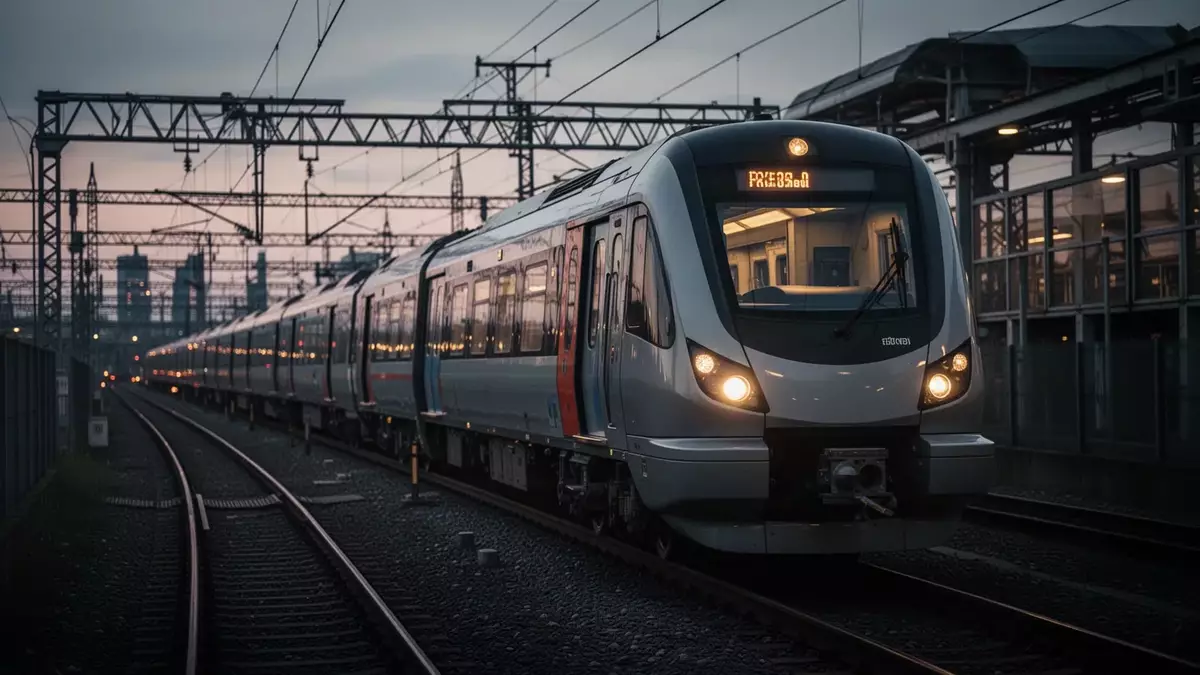
The liability demand comes at a difficult time for EMR, which is grappling with significant reliability issues across its fleet. The operator's new Hitachi-built Class 810 Aurora trains have experienced a series of technical problems involving brakes, doors, and the Automatic Warning System (AWS).
Recent data shows a sharp decline in reliability for the Aurora fleet. In one monitoring period earlier this year, the miles between faults dropped to 1,706, compared with more than 25,000 miles in an earlier period. By May 2026, faults linked to the Class 810 fleet had contributed to over 5,500 delay minutes.
EMR Managing Director Will Rogers has acknowledged the performance shortfall, citing maintenance demands on both the new Aurora trains and the older Class 222 fleet. The Rail, Maritime and Transport (RMT) union has raised concerns about the new fleet's introduction, suggesting the rollout was rushed despite a three-year delay in the trains' arrival.
Further Disruption Ahead
As EMR addresses these liability and reliability challenges, passengers face more disruption later this month. Network Rail has scheduled £5.46 million in regional upgrades for the weekends of August 15–16 and August 22–23. The work includes drainage renewals at Alfreton and points refurbishment at Blackwell South and Trowell Junctions, requiring replacement buses and amended timetables for EMR and Northern services.
When safety systems come under scrutiny, having the right compliance documentation in place is essential for any organisation. Over 37,000 UK businesses already rely on a free Health & Safety Toolkit to stay aligned with regulations like the Health & Safety at Work Act 1974, COSHH, and PUWER. It provides ready-to-use risk assessments, checklists, and toolbox talks that help protect employees and visitors alike. Get the free Health & Safety Toolkit