
Rheinmetall's €12.4 Billion Arminius Order Hinges on Year-End Booking as JPMorgan Watches Margins
Published on 09/22/2026 at 19:50 | Editorial boerse-global.de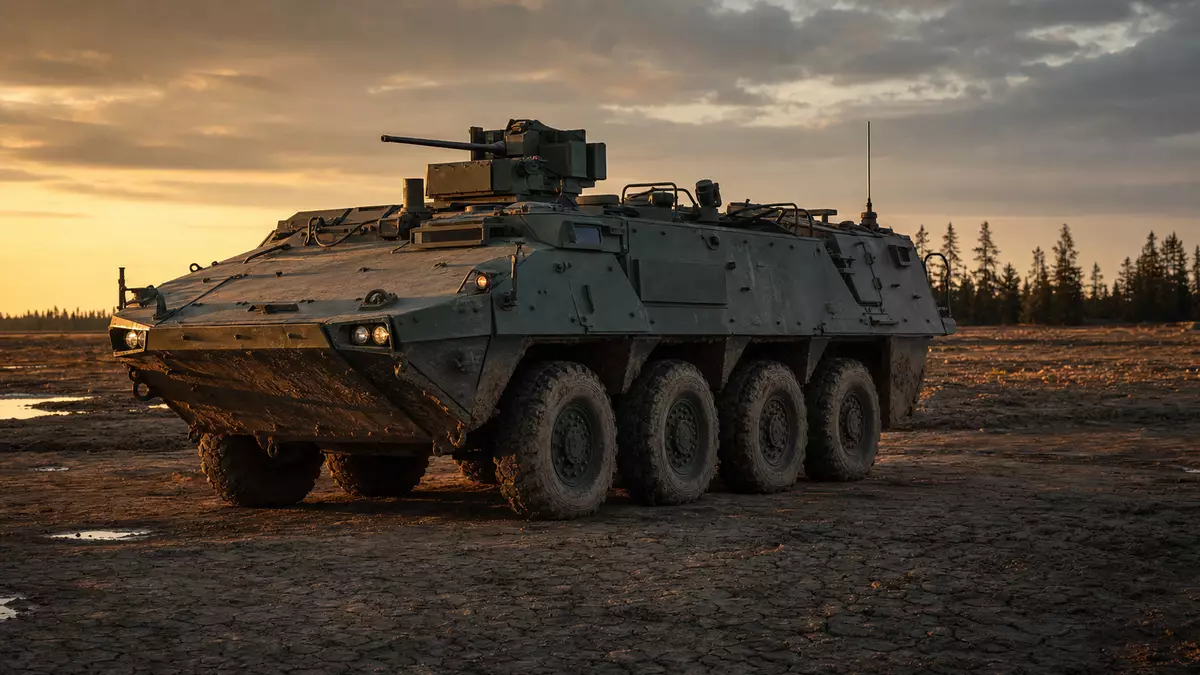
Rheinmetall finds itself pulled in two directions. On one side sits an order pipeline that shows no sign of cooling; on the other, a share price that has surrendered more than a third of its value since January and a profitability picture that is getting harder to read.
Bank of America is betting the next big catalyst lands before the calendar flips. According to the US lender, the Arminius military vehicle contract — worth EUR 12.4 billion — should be entered into Rheinmetall's order intake during the current year. BofA reiterated its buy rating on the Düsseldorf-based DAX member on the back of that expectation.
The market, however, is not trading like a stock on the verge of a windfall. The shares changed hands at EUR 996.10, down 1.6% on the day, extending a year-to-date decline of 36%. That divergence between operating momentum and equity performance sits at the heart of the current debate.
Order Intake Running Well Ahead of Revenue
BofA's analysts point to a book-to-bill ratio of roughly 2.3 across the trailing twelve months. In plain terms, Rheinmetall keeps winning new business at more than double the pace it converts orders into sales. Booking the Arminius package before year-end would stretch that gap further.
Should investors sell immediately? Or is it worth buying Rheinmetall?
The broader industry backdrop supports the trend. Western governments continue to expand defence budgets, and sector specialists forecast robust revenue growth for European manufacturers in the coming years, fuelled by state procurement programmes and armed forces modernisation.
Yet the sheer weight of incoming orders brings its own complications. Rheinmetall reported an order backlog of EUR 80.5 billion at the mid-year mark. Those recurring munitions orders underwrite baseline utilisation for years to come, but executing them demands heavy interim financing for raw materials and production stages — a temporary drag on liquidity.
JPMorgan Flags a Shifting Product Mix
Not everyone is focused on the top line. On 10 September, JPMorgan placed Rheinmetall on its "Negative Catalyst Watch" list while keeping a Neutral rating. The analysts cited emerging margin pressure stemming from a change in the product mix.
As the company tilts toward missiles, drones and digital systems, substantial upfront investment is required — spending that could weigh on the operating margin. It is a double-edged proposition. On one hand, Rheinmetall secures future-facing market share in modern warfare. On the other, it was the established ammunition and vehicle divisions that historically delivered the most dependable and profitable returns. Rebuilding those revenue streams around new products therefore tempers near-term earnings momentum.
The warning landed in an already jittery environment. The German government's decision to cancel the F126 frigate programme was a key trigger. At the same time, the group guided toward a significantly negative operating free cash flow for the full year. Reports of delivery delays on the wheeled armoured vehicle and the Skyranger air-defence system, along with quality checks on protective plates, added to the downbeat mood.
Those setbacks lay bare the industrial challenges facing the sector. Capacity cannot be ramped up after years of low utilisation without friction. Stringent acceptance procedures and technical requirements mean even minor defects in supplier parts can throw entire production runs off schedule.
Autonomous Systems Push on Land and Sea
While the financial headlines focus on margins and cash, Rheinmetall is quietly widening its technological footprint. At NATO exercise REPMUS26 in Portugal — running until 25 September — the company is testing a command architecture for networked, autonomous naval operations.
Rheinmetall at a turning point? This analysis reveals what investors need to know now.
In the Troia peninsula area, Rheinmetall is trialling a mobile command centre for the German Navy. A software-based middleware links various sensors, effectors and mission modules. Below the surface, uncrewed systems are intended to build a seamless situational picture for protecting harbours and maritime infrastructure.
On land, the group is advancing its unmanned vehicle business in parallel. Rheinmetall secured an order from the U.S. Marine Corps worth USD 7.28 million, covering twelve autonomous Mission Master SP vehicles complete with amphibious equipment.
What the Third Quarter Needs to Show
The last reported quarter offered a reminder of the underlying growth engine. In the second quarter of 2026, Rheinmetall lifted revenue by just over 35% to EUR 3.29 billion, with earnings per share of EUR 2.66.
Investors will get the next instalment on 5 November, when third-quarter figures are due. The focus then will fall squarely on how far the company has progressed in executing its recent large contracts — and whether the margin concerns raised by JPMorgan are beginning to show through the numbers. Pre-market indications put the stock at EUR 1,015.00.
Ad
Rheinmetall Stock: New Analysis - 22 September
Fresh Rheinmetall information released. What's the impact for investors? Our latest independent report examines recent figures and market trends.


