
Rolls-Royce's Trent Upgrade Timetable Emerges as the Real Gauge of Its Post-Rally Valuation
Published on 09/30/2026 at 19:01 | Editorial boerse-global.de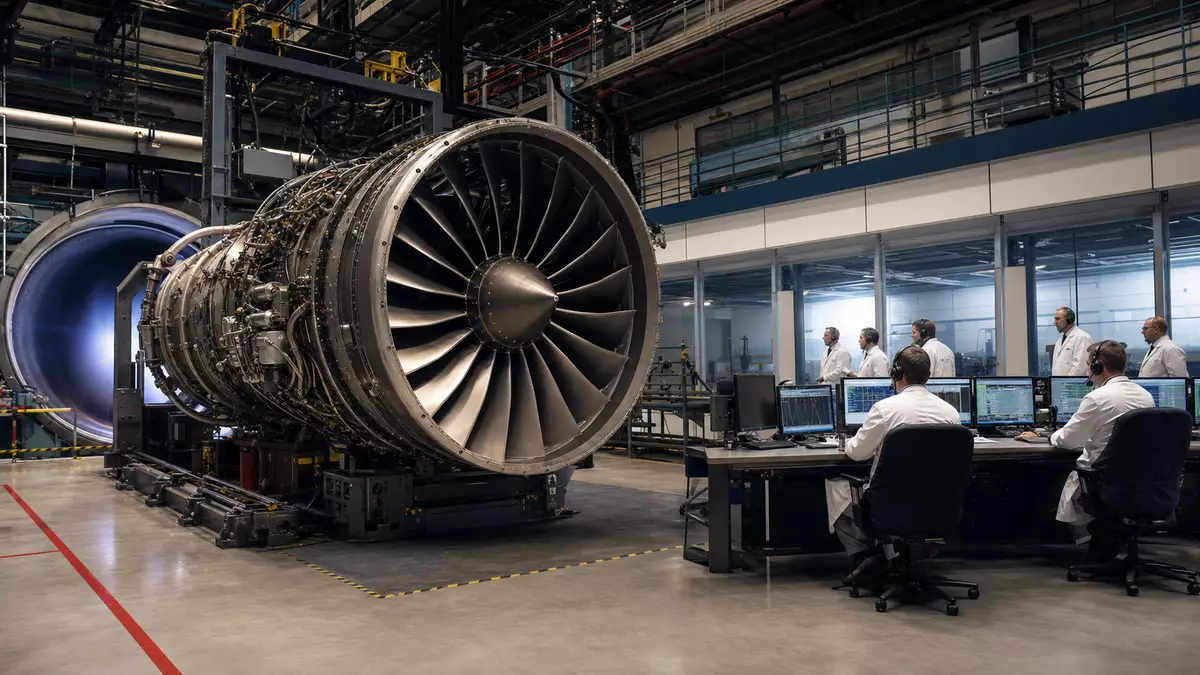
Rolls-Royce finds itself in the unusual position of having to prove that a 30% year-to-date surge is justified by execution rather than momentum. With the stock changing hands at 17.14 Euro as the fourth quarter gets underway, attention has shifted from the scale of the rally to the durability of the operational story underpinning it.
JPMorgan has placed the British engine maker among its core European holdings in the aerospace and defense space for the closing quarter, with analyst David Perry singling out the resilience of the high-margin spare parts business. That endorsement lands alongside upgraded profit and cash flow targets, which the company raised in September and has since reinforced with a £300 million commitment to its UK manufacturing footprint.
Trent Durability: The £1 Billion Question
For all the optimism, the single variable that will determine medium-term earnings power is the technical reliability of the civil large-engine fleet. At the heart of that effort sits the Trent family's durability program, backed by £1 billion in spending.
The second phase of modified high-pressure turbine blades entered service in April, following certification of the first phase in June 2025. These components are designed to lift cooling air delivery by 40% and more than double the interval between costly shop visits. Slightly more than half of the global Trent 1000 fleet is slated for conversion to the improved XE standard by the end of 2027. Should that schedule hold, warranty costs in the civil division would fall sharply while billable flying hours climb profitably.
A350F Milestone Anchors the Civil Pipeline
The civil program notched a significant milestone this week when the Airbus A350F completed its maiden flight from Toulouse, powered by Rolls-Royce Trent XWB-97 engines. The aircraft stayed aloft for 4 hours and 11 minutes, reaching altitudes of up to 25,000 feet, and kicked off a roughly nine-month flight-test and certification campaign.
Should investors sell immediately? Or is it worth buying Rolls-Royce?
For Rolls-Royce, the freighter's progress locks in future revenue streams. By the end of August, 115 firm orders had been placed by 14 customers. The Trent XWB-97 has already accumulated more than 4.5 million flight hours across eight years of service on the passenger A350-1000, and the company has promised a technology upgrade for the freighter variant from 2028 that would extend time on wing to as much as six years.
Factories, Submarines and a Nuclear Supply Chain
The industrial backdrop stretches well beyond commercial aviation. Of the £300 million being channeled into British sites, more than £140 million is earmarked for Derby, where modernization is due for completion by 2028. Bristol's defense operations receive over £90 million, while the Inchinnan facility in Scotland is allocated £43 million.
Under the AUKUS pact, Australia is contributing £2.4 billion toward expanding reactor manufacturing at Derby. Rolls-Royce is also taking the lead on ELEVATED, a European-funded project exploring hybrid-electric gas turbine propulsion for future short- and medium-haul aircraft. Its SMR unit, meanwhile, is preparing tenders worth £1.4 billion for British suppliers next year.
What the Bulls and Bears Are Pricing In
The bull case extends past civil aviation. Rising aftermarket utilization and the defense division are seen driving structural growth, and if global flight activity stays elevated and MRO capacity comes online as planned, the most optimistic voices on the street see room for the shares to reach £20. The engine behind that path would be sustained free cash flow generation stretching beyond 2026.
The bear case rests on a price-to-earnings ratio of 34.8, which leaves little cushion for operational missteps. Skepticism centers on industrial bottlenecks and geopolitical risk. Nuclear submarine programs demand a dramatic compression of manufacturing cycles, while skills shortages and British yard capacity carry meaningful timing risk. Lingering tensions from the Iran conflict, inflation and a possible cooling of international passenger demand could all slow the recovery in civil flying hours. In a scenario combining supply chain problems and margin pressure, the most cautious analysts pencil in a decline to as little as £11.99.
The Execution Clock Is Ticking
How quickly the announced capacity expansions take effect will shape the next leg of the share price. As long as Rolls-Royce maintains the Trent retrofit ramp-up through the end of 2027 without unexpected material defects, and engine maintenance demand holds steady, the market's valuation premium looks defensible.
Sitting 7.2% below its 52-week high, the stock is within striking distance of fresh records. But if airline flying-hour growth stalls or component supply chains for Derby and Bristol slip, a meaningful correction becomes a real possibility. The next concrete test of confidence in the long-term margin targets will be progress on the fleet's conversion to the XE standard in the coming financial year.
Ad
Rolls-Royce Stock: New Analysis - 30 September
Fresh Rolls-Royce information released. What's the impact for investors? Our latest independent report examines recent figures and market trends.


