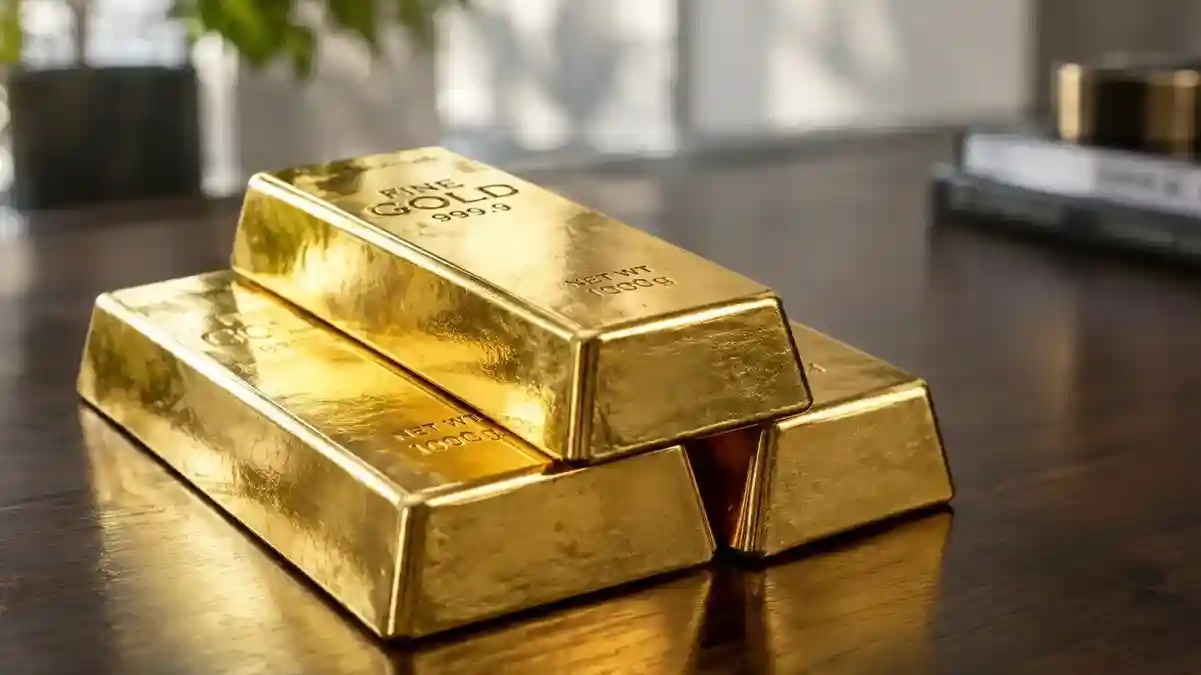
Seoul's Gold Bet Meets Washington's Inflation Problem
Published on 11/16/2026 at 03:50 | Editorial boerse-global.de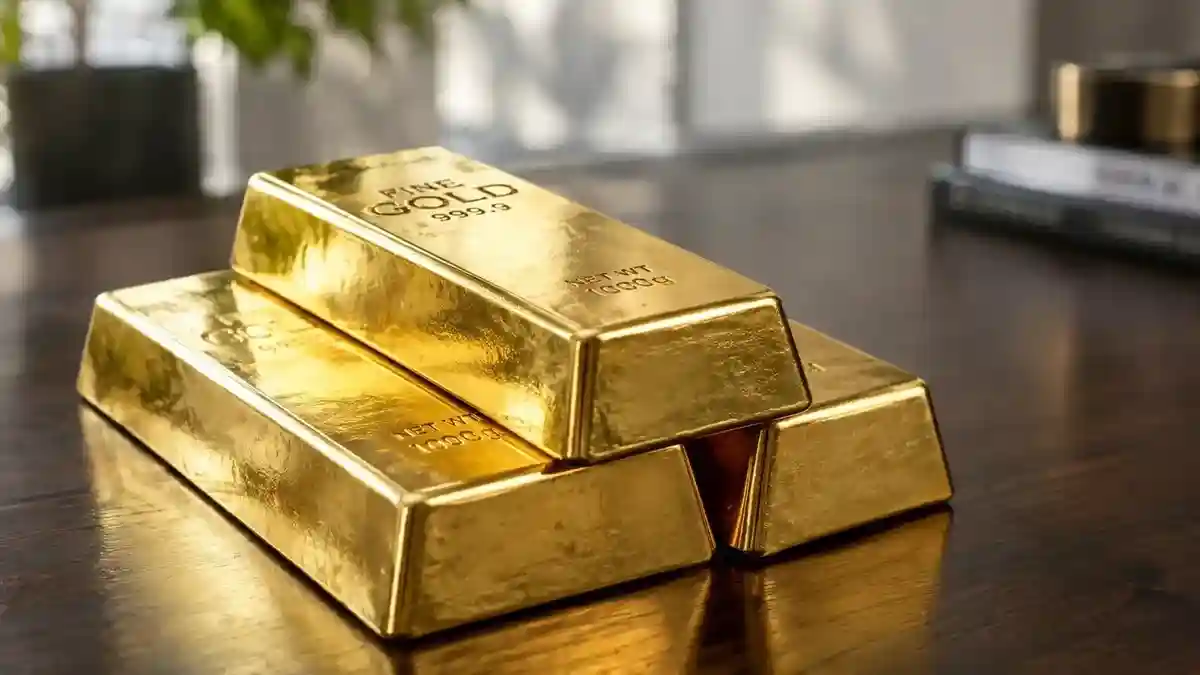
South Korea's central bank spent the third quarter of 2026 buying more of the world's largest gold fund — a wager that has already run into a market moving the other way. A filing with the US Securities and Exchange Commission shows the Bank of Korea raised its stake in the SPDR Gold Trust by 40.8% over the quarter, lifting the position's market value from $250.41 million to $364.41 million, a 45.5% increase.
Part of that jump reflects a higher unit price at quarter-end rather than fresh buying alone, a distinction that matters when reading institutional filings. In Seoul's case, though, the larger share count confirms genuine accumulation rather than a pure valuation effect.
The timing was awkward. Gold settled Friday at $3,876.13 an ounce, with the seven-day change at -4.6% — a reminder that a bigger allocation cuts both ways, since more metal in the portfolio means more exposure to its swings. A lower market value later is not automatically a realized loss; entry costs and any sales decide that. Building a position and its short-term performance are two separate questions.
Producer Prices Add to the Pressure
The macro backdrop has turned hostile. US producer prices rose 0.3% in October from the prior month, pushing the annual rate to 6.5% — the highest since November 2022. Reuters also cited firmer oil prices and rate worries as weights on bullion, which has now fallen for three straight sessions.
Should investors sell immediately? Or is it worth buying Gold?
Inflation alone is not the whole story for gold. Higher Treasury yields and a firm dollar raise the opportunity cost of holding metal that pays no coupon, and rising bond returns sharpen that disadvantage. The seven-day move of -6.5% captures how hard those forces have hit the price recently.
Official Buying and ETF Flows on the Other Side
Set against the rate pressure is demand from large institutional buyers. The World Gold Council's demand report, published November 3, put net purchases by central banks and other official institutions at 321 tonnes, while physically backed gold ETFs drew inflows of 211 tonnes. That is enough to offset weaker jewelry demand, though not enough to prevent a decline.
Supply tells a mixed story of its own. Mine output in the third quarter of 2026 hit a record for that period of the year, according to the World Gold Council, yet total supply fell 1% as recycling dropped. More digging did not translate into more metal available.
Seoul's ambitions extend beyond the fund. The central bank is preparing to buy domestically sourced physical gold, with groundwork due to be finished after mid-December — not a confirmation that a purchase will follow. It has published neither a target allocation nor a timetable. Its last physical purchase was 20 tonnes in 2013, so ETF accumulation and any later bullion buying should be read separately; completed preparations imply neither a fixed volume nor a firm execution date.
Gold at a turning point? This analysis reveals what investors need to know now.
The Calendar Ahead
Near-term direction hinges on whether incoming US data intensify or ease the yield and dollar squeeze. Physical demand operates on a different clock than daily shifts in rate expectations, and robust buying on its own does not signal an imminent turn in price.
US retail sales for October land on November 17, followed on November 18 by the minutes of the Federal Reserve's October meeting. Stronger consumption figures could move rate expectations, while the minutes may shed light on the reasoning behind policy. What gold needs most is for the recent pressure from yields and the dollar to stop building.
Ad
Gold Stock: New Analysis - 16 November
Fresh Gold information released. What's the impact for investors? Our latest independent report examines recent figures and market trends.