Siemens Energy: A Sapporo Service Hub, a 40% Earnings Gap to GE Vernova, and the Cash Flow Question Beneath Both
Published on 10/27/2026 at 12:01 | Editorial boerse-global.de
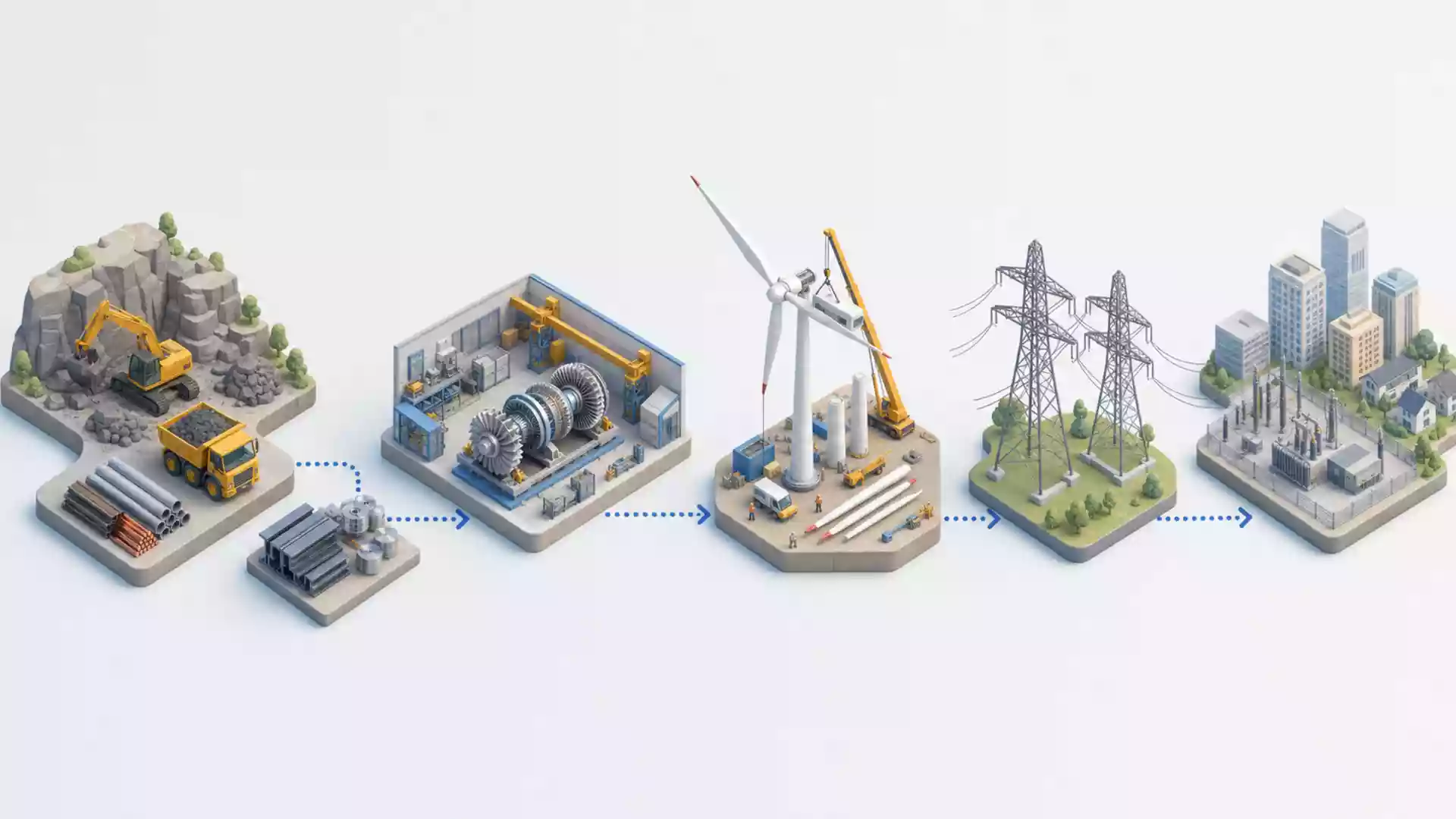
Siemens Energy is preparing to plant a maintenance flag in northern Japan while its valuation continues to divide the market. According to Kyodo news agency, the company plans to open a wind-turbine servicing base in Eniwa, near Sapporo, in January. The site would cover Japan alongside the Philippines and Vietnam, extending the firm's service reach well beyond a single national market.
The plan is said to form part of an economic agreement between Japanese Prime Minister Sanae Takaichi and German Chancellor Friedrich Merz. Kyodo's report, citing informed sources, describes an intention rather than a completed opening or an operating facility. That distinction matters for investors: the base signals a broader regional service presence, not quantified additional revenue. No financial contribution from the site can yet be folded into earnings expectations.
Two Sides of the Same Company
The Japan plans touch a different part of the business from the one drawing most attention. The Wall Street Journal points to Siemens Energy's electrification equipment and gas turbines, where demand is running hot. BloombergNEF ranks Siemens Energy and GE Vernova as the world's two largest gas-turbine manufacturers by confirmed orders since 2016, with each having booked roughly 150 GW of orders through the first half of 2026.
That order book underpins the argument that Siemens Energy should not be judged solely on the troubles of its wind business. The Wall Street Journal frames the company as a potentially overlooked play in the artificial-intelligence buildout. On expected earnings, its valuation sits around 40% below that of its rival. The comparison rests on genuine business overlap: both sell electrification technology into strong demand, generate similarly sized revenues, and carry wind operations with difficult histories.
Should investors sell immediately? Or is it worth buying Siemens Energy?
A Discount, Not a Verdict
A cheaper multiple does not settle the question. A discounted cash flow model published today assigns the company an enterprise value well below its market price, assuming cash flows that decline over time. The tension with the relative valuation stems from different yardsticks — the peer comparison looks at expected profits, the model at the long-run path of cash surpluses.
Media reports put Siemens Energy's free cash flow over the past twelve months at roughly EUR 7.8 billion, alongside a record order backlog of EUR 162 billion. Whether those inflows are durable is precisely what the cautious model asks. A discount to GE Vernova may flag an opportunity, but it does not substitute for testing the assumptions behind recent cash generation.
November 11 as the Reckoning
The next hard data point arrives with quarterly results, expected on November 11. Analysts forecast earnings per share of EUR 1.33 for the quarter ended in September, against EUR 0.190 a year earlier. Revenue consensus stands at EUR 12.72 billion, which would mark growth of 21.99% from the prior-year EUR 10.43 billion.
Siemens Energy at a turning point? This analysis reveals what investors need to know now.
Those are projections, not reported figures — and the bar is high. The expected improvement is already embedded in the investment case. For fiscal 2026, the consensus calls for earnings per share of EUR 4.48 on revenue of EUR 44.19 billion.
What the report must show is whether Siemens Energy can deliver on growth expectations that are already priced in, lending support to the earnings-based valuation. The cash flow model offers a counterweight, warning against extrapolating short-term profit strength indefinitely. The Sapporo service base adds an operational dimension to the story; the November figures will supply the measurable test.
Ad
Siemens Energy Stock: New Analysis - 27 October
Fresh Siemens Energy information released. What's the impact for investors? Our latest independent report examines recent figures and market trends.