
Siemens Energy's Rebranding Gambit Collides With Boardroom Debate Over Breakup
Published on 08/14/2026 at 03:41 | Redaktion boerse-global.de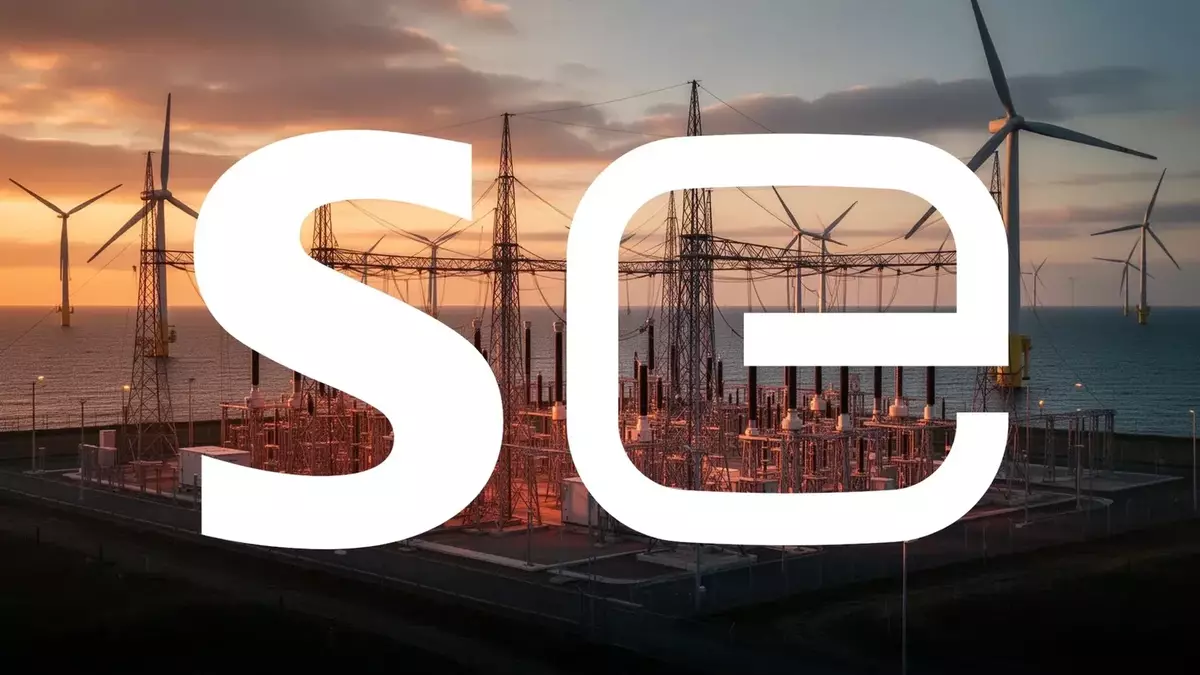
The timing could hardly be more awkward. Just as Siemens Energy's supervisory board prepares to weigh the future of its industrial division, management is pushing ahead with a sweeping rebranding effort that would unite the parent company and its wind turbine subsidiary under a single new identity: "Omterra."
That juxtaposition — integration on the marketing front, potential disintegration on the structural front — is set to come to a head at a special board meeting scheduled for August 25, where directors will discuss strategic options for the Transformation of Industry unit, which is led by Anne-Laure de Chammard. Behind the scenes, resistance is reportedly building among board members over the project codenamed "Project Voyager," with critics questioning whether spinning off the industrial arm would merely serve as a prelude to a broader dismantling of the group.
A Wind Division That Finally Delivers
The governance drama arrives at a moment when the company's operational performance has rarely looked stronger. Net income for the fiscal third quarter ended June 30 surged to €1.19 billion, up from €697 million in the same period a year earlier. Profit before special items climbed to €1.623 billion, compared with €497 million in the prior-year quarter. Revenue rose 18.5 percent on a comparable basis to €11.45 billion, while order intake reached €17.9 billion.
The standout figure, however, came from the long-troubled wind division. Siemens Gamesa posted €75 million in EBITA — its first profitable quarter since fiscal 2022. For a unit that has weighed on the group's results for years, the turnaround marks a significant milestone, and it is precisely this division that would fall under the new Omterra umbrella.
Reuters attributed much of the demand surge to AI-driven data center buildouts in the United States and infrastructure projects in the Middle East, which have fueled the gas turbine business. Both Reuters and dpa-AFX characterized the quarter as record-breaking and comfortably ahead of market expectations.
While Siemens Energy navigates its structural overhaul, another kind of compliance risk often flies under the radar: workplace safety documentation. Many employers underestimate how quickly a missing risk assessment can become a costly liability. A free toolkit with 41 ready-to-use templates and checklists helps you document hazards properly and stay on the right side of UK regulations. Download the free Risk Assessment Toolkit
Analysts Respond With Upgraded Targets
The strong results prompted a flurry of target-price revisions. JPMorgan lifted its price target to €245 on August 5 while maintaining an "Overweight" rating. The following day, Deutsche Bank raised its target to €210 with a "Buy" rating. Jefferies reaffirmed its buy recommendation with a €215 target, and Berenberg adjusted its estimates upward following the record quarter while also maintaining its buy stance.
Bernstein Research weighed in as well, with two analysts expressing positive views. Alasdair Leslie held his price target at €210, pointing to sustained momentum in the data center business and an improving price-to-cost relationship. His colleague Chad Dillard, also maintaining a €210 target, highlighted a different concern: a shortage of skilled labor in the United States that could constrain data center expansion through 2030 and potentially force Siemens Energy to pursue greater modularization in its manufacturing processes.
Buybacks Continue Amid Mixed Market Reaction
The company has also been active in the market for its own shares. During the first week of August, Siemens Energy repurchased 694,400 shares, bringing the total volume under the current buyback program to nearly 6 million shares.
The immediate market reaction to the earnings release was mixed, with Reuters reporting some initial weakness in the stock. The shares closed Thursday at €161.24, down 1.1 percent on the day, though they remain up roughly 5 percent over both the seven-day and 30-day periods. Year to date, the stock has gained 34 percent.
Still, the share price sits 17 percent below its 52-week high of €195.38, reached in April. That gap suggests that despite the strong quarterly numbers, ongoing share repurchases, and a wave of analyst upgrades, investors are holding back until the boardroom conflict over the company's structure is resolved.
Just as investors weigh structural risks, employers should assess their own operational exposures — particularly around hazardous substances. COSHH compliance is a legal duty, yet many businesses overlook dangerous materials until it's too late. A free toolkit with 43 customizable templates, checklists, and toolbox talks helps you meet your obligations without hours of paperwork. Get the free COSHH Toolkit
For the full fiscal year, management confirmed its guidance of a net profit of around €4 billion, with EBITA margin expected at the upper end of the 10 to 12 percent range. Whether the August 25 board meeting clears the air or deepens the uncertainty, the outcome will likely determine whether that gap to the high narrows — or widens.


