Silver's 4% Rebound Masks a Deeper Debate: UBS Sees $70, China's Solar Sector Says Otherwise
Published on 11/04/2026 at 20:31 | Editorial boerse-global.de
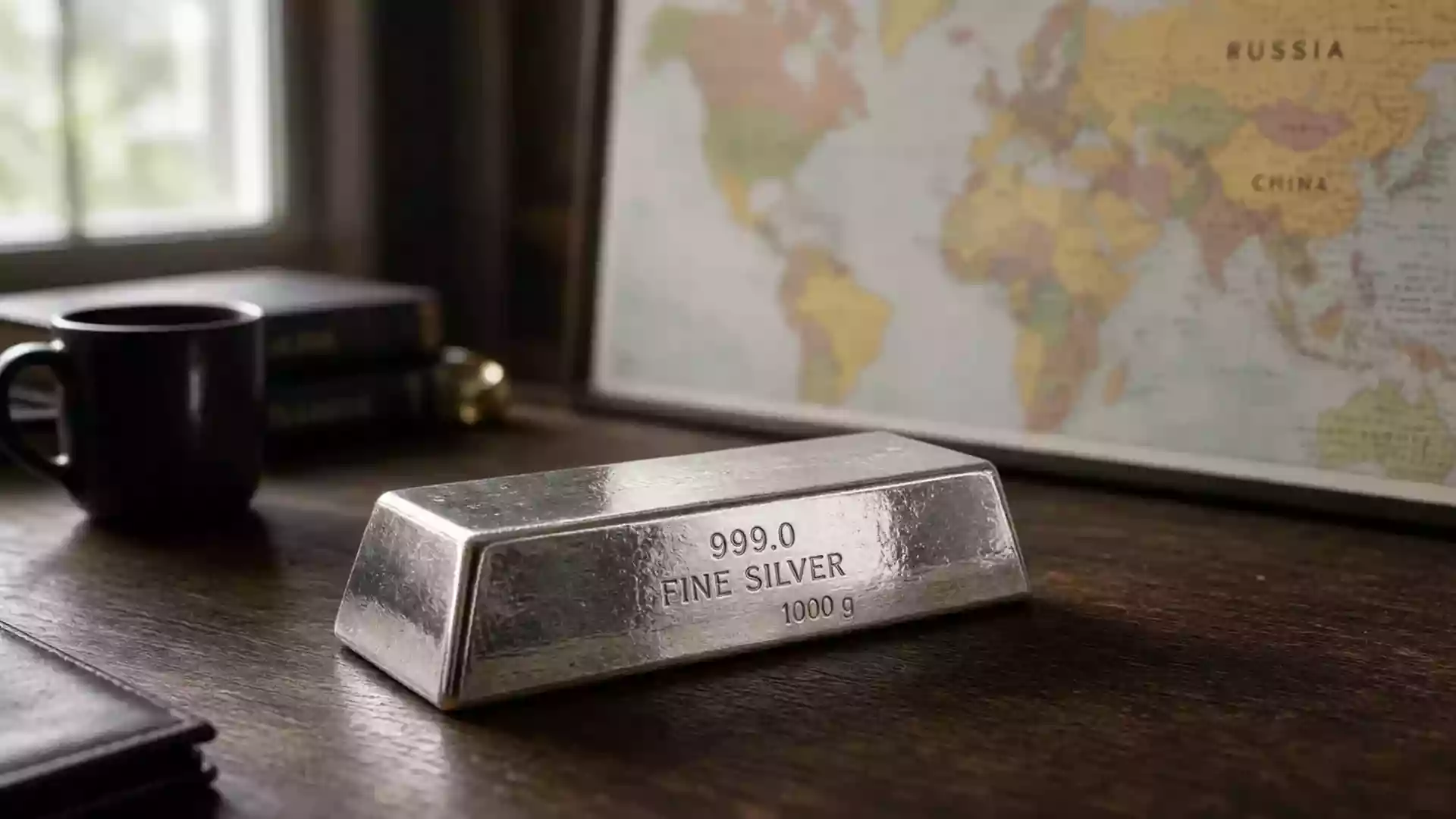
Silver prices staged a sharp recovery on Wednesday, climbing as a weaker US dollar and falling Treasury yields lured buyers back into precious metals. But the rally, however welcome, does little to resolve the more consequential question hanging over the market: how much industrial appetite remains for the metal?
The two narratives are pulling in opposite directions, and investors would do well to keep them separate.
A Macro-Driven Bounce
The front-month contract settled at 52.00 USD per troy ounce, a gain of 4.4% on the day, with some quotes putting the close as high as 52.19 USD — a reflection of the favorable environment for hard assets. Reuters linked the advance to Democratic gains in the US midterm elections, which weighed on the dollar and pushed government bond yields lower.
That combination — a softer greenback and reduced returns on Treasuries — has been the primary engine behind the move. Higher yields had previously punished precious metals by making interest-bearing government debt more attractive relative to assets that pay nothing. The reversal of that dynamic now offers silver a tailwind, but it is a currency-and-rates story, not a supply-and-demand one.
Should investors sell immediately? Or is it worth buying Silber Preis?
Fritsch: The Selloff Was Overdone
The rebound follows a stretch of losses that Commerzbank analyst Carsten Fritsch had already flagged as excessive. Writing a day before the bounce, Fritsch pointed to weakness in technology stocks and base metals, along with broader anxiety about industrial silver consumption, as the forces behind the decline. He saw no silver-specific trigger for the drop.
His read matters because it reframes the recent weakness. Rather than a verdict on silver's fundamentals, the selloff looked like collateral damage from losses elsewhere in the market. As a counterweight, Fritsch cited robust import demand from India and China — a reminder that physical offtake has not disappeared.
China: Output Down, but Not the Whole Story
Fresh data from China complicates the picture further. Silver bar production there fell 5.03% month-on-month in October, according to media reports. Yet cumulative output for 2026 reached roughly 16,000 tonnes, up 3.72% from the same period a year earlier.
The distinction is critical. A single month's pullback does not reverse the year-to-date expansion, and reading the October dip as the start of a lasting shortage would be a stretch. Inventories tell a similar short-term story: China's so-called social silver stock stood about 68 tonnes below the level recorded at the end of the previous month as of October 29.
Solar Demand Cuts Both Ways
On the consumption side, a market report dated October 29 described softer industrial silver demand, singling out reduced usage in the solar sector as a drag. That headwind sits alongside — not in contradiction to — the World Silver Survey's projection of a sixth consecutive annual supply deficit in 2026. Weaker demand does not automatically produce a surplus, and the two forces can coexist.
UBS has staked out a bullish position nonetheless. The bank forecasts silver at 70 USD per troy ounce by December 2026, rising to 75 USD in both March and June 2027, and 80 USD by September of that year. Those are projections, not prices already achieved — and UBS attached a caveat that deserves equal billing: substitution and thrift in the photovoltaic sector could erode demand for the metal.
Silber Preis at a turning point? This analysis reveals what investors need to know now.
That qualification is the hinge on which the whole thesis turns. The recovery case rests on macro relief; the risk case rests on industrial parsimony. Neither has been settled.
Friday's Payrolls in Focus
The next scheduled macro catalyst is the US October employment report, due Friday, November 6, 2026, at 8:30 a.m. Eastern Time. Market commentary has identified the release as the key input for Federal Reserve policy expectations.
Until then, dollar moves, bond yields and rate bets will set the tone. What they cannot do is answer whether weaker industrial offtake can be squared with a sixth straight supply deficit — the question that will ultimately decide whether UBS's price targets prove prescient or merely optimistic.
Ad
Silber Preis Stock: New Analysis - 4 November
Fresh Silber Preis information released. What's the impact for investors? Our latest independent report examines recent figures and market trends.