Silver's Sharp Snapback Puts the Fed Back in the Driver's Seat
Published on 11/24/2026 at 06:41 | Editorial boerse-global.de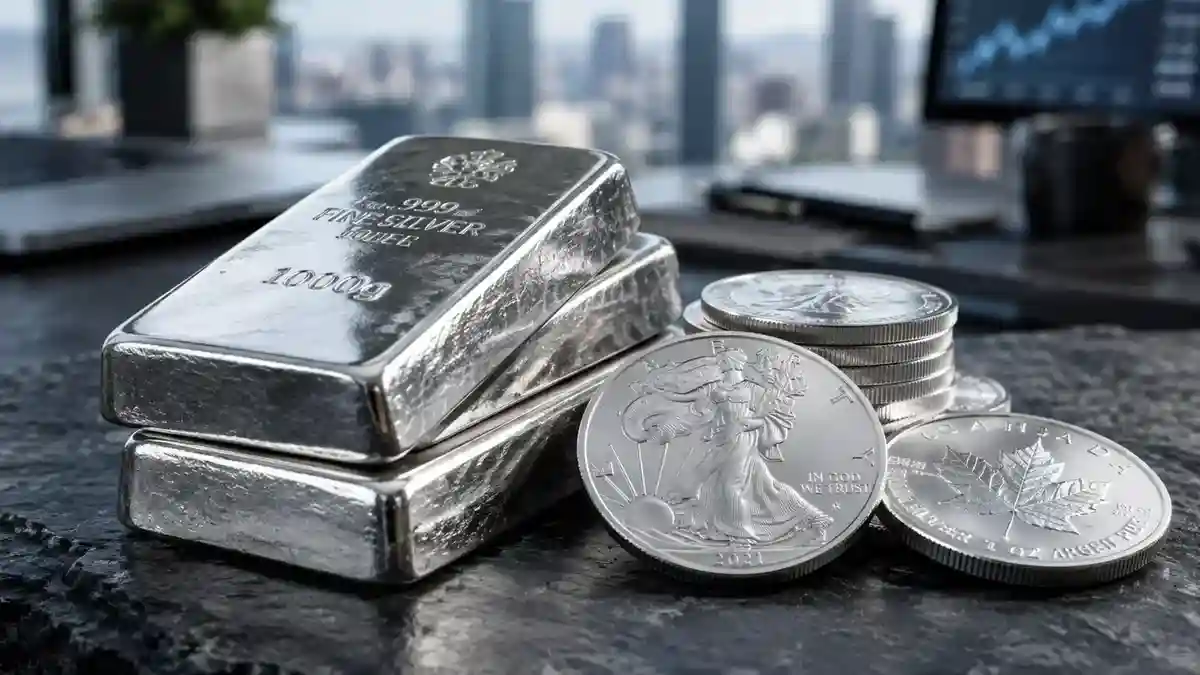
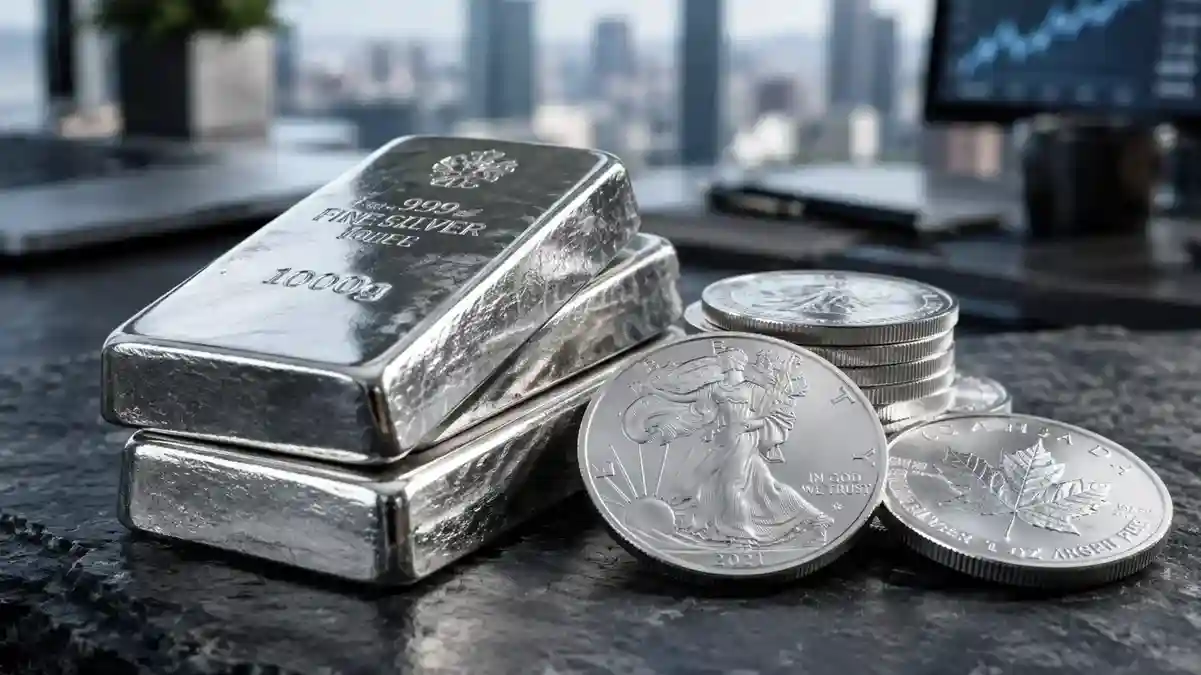
Silver staged a forceful recovery as the new trading week got under way, climbing 5.5% to $43.29 an ounce as a pause in the dollar's advance and fading expectations for an oversized Federal Reserve rate hike combined to release two of the pressures that had weighed on the metal before the weekend. A day earlier, the spot price had settled at $43.10 following a 5.1% gain, with buyers reportedly stepping in at the lower levels while a brighter tone across global equity markets lifted risk appetite. The bounce demonstrates that demand reappears on dips — though it does not yet amount to a change in trend.
Dollar and rate bets loosen their grip
The prior week's selloff had been driven by a stronger dollar, restrictive commentary from the US central bank and persistent inflation worries. Friday's retreat came under exactly that combination. Monday's rebound, tracked by Reuters, ran in tandem with gold, and media reports pointed to technical buying after the earlier rout as an additional prop.
The October minutes of the Federal Reserve and remarks by Fed Governor Christopher Waller had fuelled expectations of further tightening, while the firmer dollar added to silver's burden. Higher rates raise the opportunity cost of holding a metal that pays no income. Yesterday, reports said, wagers on a larger Fed step eased, giving the recovery extra momentum — though the prospect of higher rates is far from off the table.
A data calendar with two markers
Two dates now frame the rate debate. On Wednesday, the US Bureau of Economic Analysis is due to publish the October PCE price index, the inflation gauge the Fed prefers; Reuters suggested the figures could shed light on the path ahead for policy. For silver, the key question is whether the recent repricing of rate expectations survives the release. The Fed's own meeting follows on 9 December.
Should investors sell immediately? Or is it worth buying Silber Preis?
Bank of America sketches a $75 horizon
Commodity strategists at Bank of America led by Michael Widmer said yesterday that silver could reach $75 an ounce in 2027, citing easing macroeconomic headwinds, according to media reports. The figure describes a possibility for next year rather than a forecast for the coming sessions. OCBC also stayed constructive on silver over the medium term, pointing to structural bottlenecks in supply, while flagging smaller physical deficits, reduced silver use in solar applications and uncertain capital flows as constraints.
A sixth deficit — with demand shrinking
The Silver Institute and Metals Focus expect demand to outstrip supply by 35 million ounces in 2026, which would mark a sixth consecutive annual shortfall. That gap should not be read as evidence of growing consumption. The two organisations project a 5% decline in total demand to 1.08 billion ounces, as elevated prices accelerate thriftier use of silver in solar cells and substitution by other materials, while also damping purchases of jewellery and silverware.
Industry trends pull in opposite directions. For applications outside photovoltaics, the Silver Institute and Metals Focus foresee demand rising 4.5% to 492 million ounces, while industrial demand overall is projected to fall 3%.
ETF outflows meet improved liquidity
Investor appetite is cooling alongside. Reuters reported that Metals Focus expects net outflows of 45 million ounces from exchange-traded silver products. Even so, the smaller-than-expected deficit, together with outflows from exchange-traded products and from US inventories, has improved liquidity in the physical market. A tight physical balance and waning investor interest can therefore coexist — which is why the recent countermove owed less to the supply ledger than to the shifting view on US rates and the dollar.
Ad
Silber Preis Stock: New Analysis - 24 November
Fresh Silber Preis information released. What's the impact for investors? Our latest independent report examines recent figures and market trends.