Thyssenkrupp's Hydrogen Math Meets a 2029 Duisburg Deadline
Published on 11/14/2026 at 10:01 | Editorial boerse-global.de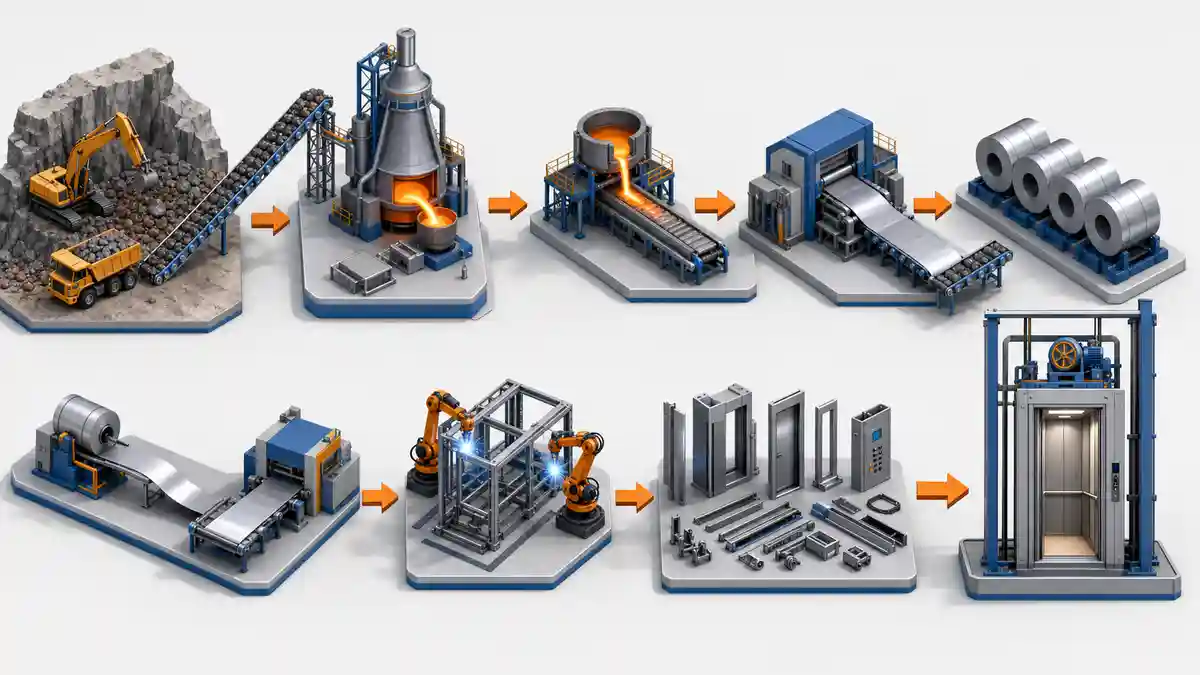
Thyssenkrupp shareholders have two separate storylines to track into December: a pair of opposing stake disclosures from Wall Street's biggest banks, and a green-steel programme whose economics still hinge on a fuel that costs far more than planners first assumed.
Morgan Stanley and Goldman Sachs both filed updated holdings in the German industrial group this week, moving in opposite directions. Morgan Stanley reported a combined share of voting rights and instruments of 3.90% on Thursday, down from 4.10% previously. The bank crossed below the relevant threshold on 6 November, with 2.97% held as voting rights from shares and 0.93% through instruments.
Goldman Sachs went the other way. Its aggregate position climbed to 5.04% from 4.98%, crossing the threshold on 4 November in a filing published Tuesday. Financial instruments accounted for the bulk of that stake at 4.48%, while voting rights from shares made up 0.56%. Both disclosures bundle equity voting rights with instrument-based positions.
The stock shed 2.1% in the previous session.
Should investors sell immediately? Or is it worth buying Thyssenkrupp?
Funding Terms Settled, Supply Still Open
On the decarbonisation side, the amended subsidy conditions for the tkH2Steel project have now become legally binding, following the adjusted funding decision that took effect in October. Thyssenkrupp Steel said it is preparing a fresh hydrogen tender, a step it flagged back in October as imminent.
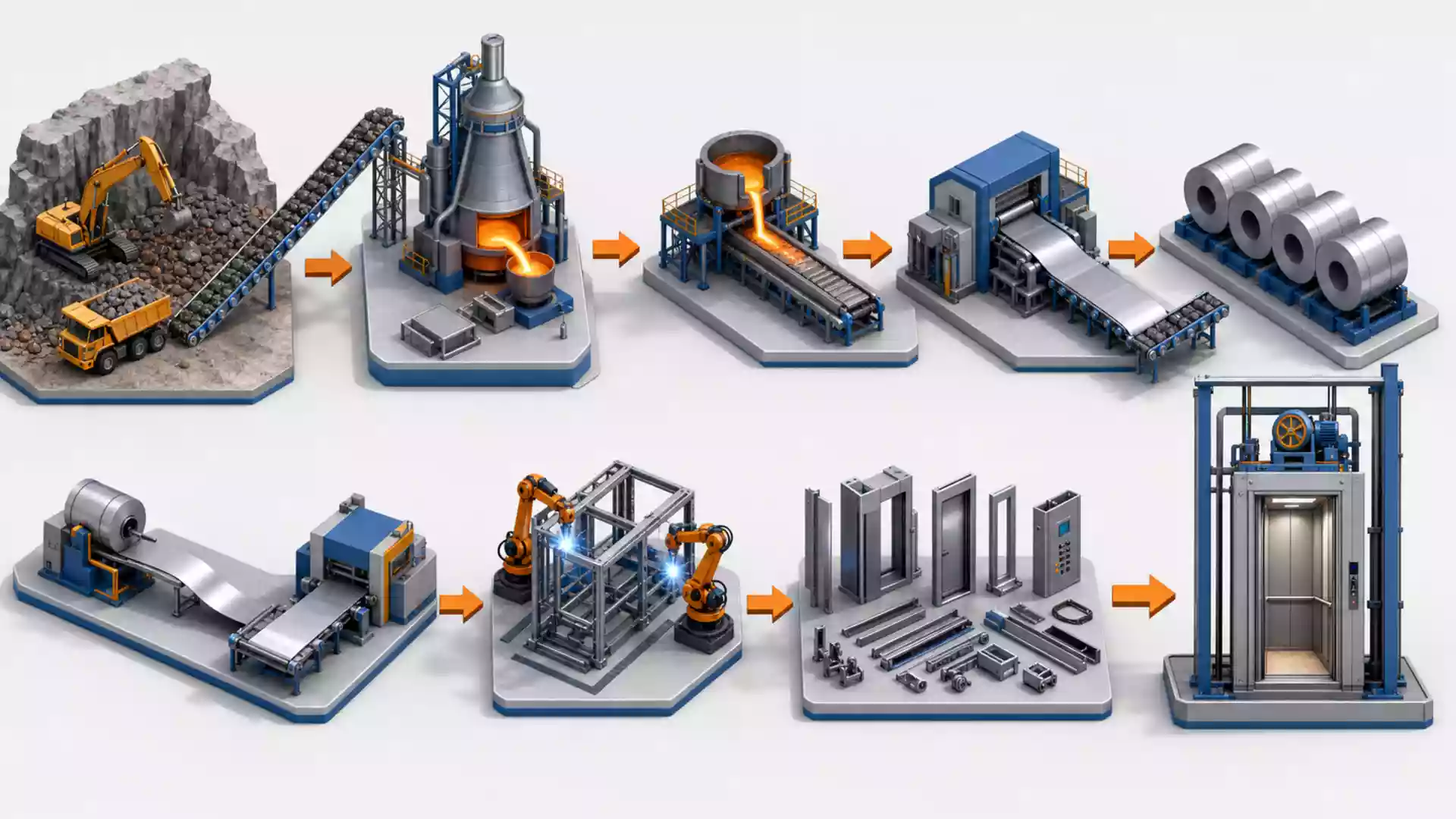
The direct-reduction plant at Duisburg is designed to produce up to 2.5 million tonnes of directly reduced iron a year, at a cost of roughly EUR 3 billion.
What has not been settled is the price of the hydrogen that will feed it. Thyssenkrupp Steel warned in October that the fuel is significantly more expensive than originally assumed and is not yet available on competitive terms. That admission sits at the heart of the investment case: the funding framework is now firmer, but the operating economics remain unresolved.
The Timeline Has Also Moved
Compounding the cost question is a scheduling shift confirmed in November. According to Handelsblatt, the Duisburg direct-reduction plant is now slated to start up in 2029 rather than the original 2027. Thyssenkrupp attributed the delay to the engineering phase.
That pushes the risk profile onto two fronts at once — procurement and technical execution. Cheaper hydrogen offers would not substitute for engineering progress, and technical milestones would still need to line up with viable supply costs. If either leg falters, a cautious read on the transformation stays justified.
Thyssenkrupp at a turning point? This analysis reveals what investors need to know now.
What December 8 Will Reveal
The next scheduled checkpoint is 8 December, when Thyssenkrupp has said it will publish its 2025/2026 annual report alongside an annual press conference and a call with analysts and investors.
For anyone weighing a position, the test is whether new disclosures sharpen the economic picture. The tender preparation offers a possible route to better terms, though its mere launch would say little about what those terms turn out to be. Tangible progress would mean closing the gap between current cost levels and a supply arrangement the project can actually carry.
A longer project window could also read more favourably, provided the extra time is used for more robust delivery. That benefit, like the rest, is tied to demonstrable advances rather than announcements. Until hydrogen costs stop constraining the business case, restraint toward a rapid re-rating of the green-steel story remains defensible — and the annual report is the next chance to test it.
Ad
Thyssenkrupp Stock: New Analysis - 14 November
Fresh Thyssenkrupp information released. What's the impact for investors? Our latest independent report examines recent figures and market trends.