U.S. Steel Blast Report Highlights Safety Failures as UK Building Ruling Reshapes Liability
Published on 08/11/2026 at 14:57 | Redaktion boerse-global.de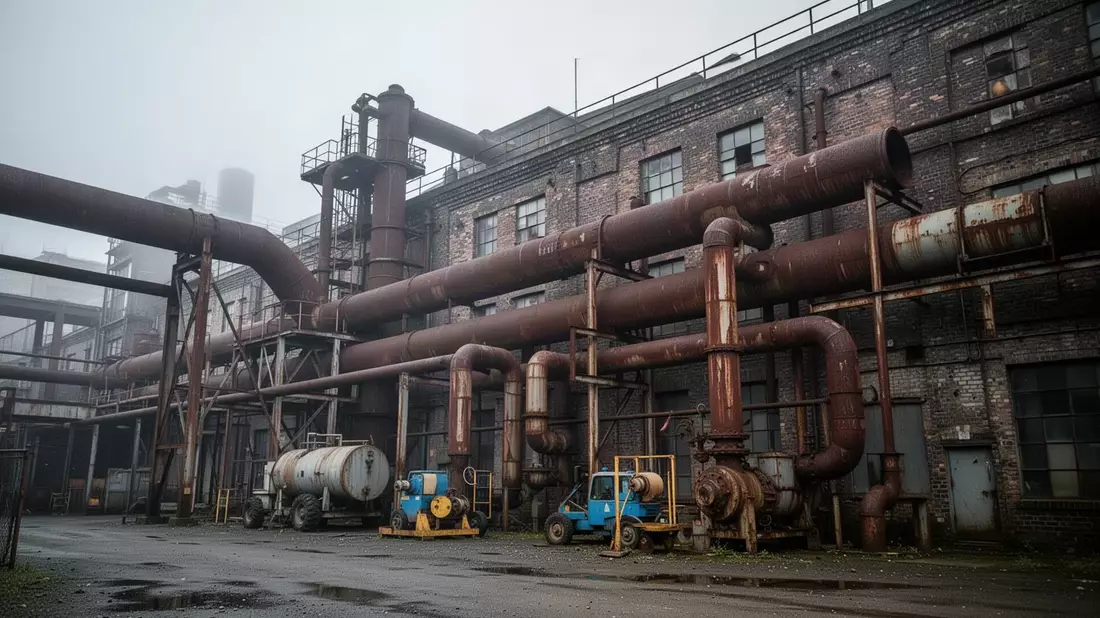
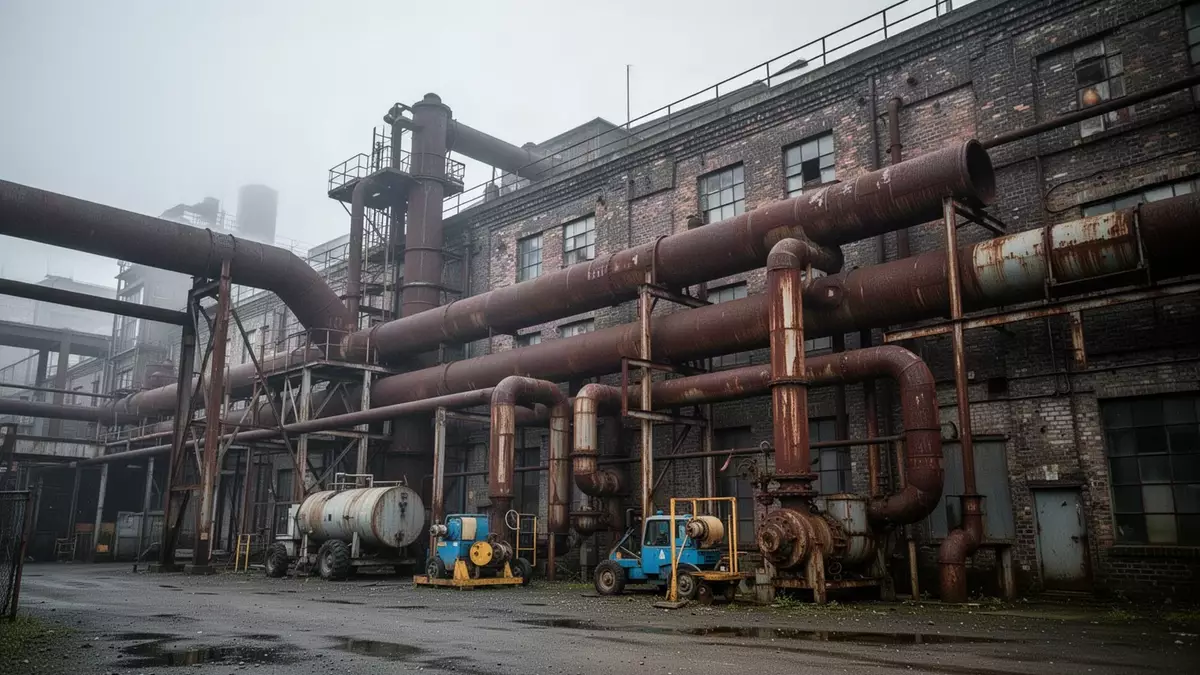
A final investigation into a deadly explosion at a Pennsylvania coke works has identified serious safety failures, offering a stark reminder to UK employers of the consequences of neglected maintenance and risk assessment. The U.S. Chemical Safety and Hazard Investigation Board (CSB) released its findings on August 11, 2026, exactly one year after the blast at the Clairton Coke Works killed two workers and injured 11 others.
Deficient Procedures at Clairton
The CSB report faults both U.S. Steel and its contractor, MPW, for the incident, which caused an estimated $52 million in property damage. Investigators found that teams lacked a formal procedure for cleaning valves and improperly used water instead of steam during the process.
The report also highlights that U.S. Steel failed to conduct a facility siting analysis—a step the CSB said should have been prioritised following a previous explosion at the same site in 2010. Without such an analysis, personnel and equipment remained vulnerable to the effects of the 2025 blast.
Landmark UK Ruling on Building Safety
In a significant application of the UK's Building Safety Act 2022, a recent court ruling has upheld a £14.9 million adjudicator's award against Ardmore Construction. The case, Crest Nicholson v Ardmore, involves fire safety defects identified at the Admiralty Quarter development in Portsmouth.
The court granted anticipatory Building Liability Orders (BLOs), allowing claimants to pursue the entire Ardmore group rather than just the specific subsidiary involved in the original construction. While Ardmore has indicated it will appeal, the ruling is seen as a landmark for enforcement of the 2022 legislation, which was designed to broaden accountability for building defects.
Insolvency Pressures Across Manufacturing and Research
The industrial and consulting sectors are seeing a rise in insolvency filings as companies struggle with liquidity and legacy liabilities. In early August 2026, German furniture manufacturer Domo Collection entered preliminary administration. CEO Ulf Vietor cited weak sales and liquidity challenges as the primary drivers, with the filing affecting approximately 270 employees across Germany and Poland. Operations are continuing, with salaries secured through the end of September.
In the UK, the Institute of Occupational Medicine (IOM) was placed into administration in late July. The Edinburgh-headquartered research facility, founded in 1969, faced a sustained decline in grant funding and disruptions related to laboratory relocations. The organisation has since been sold in a pre-pack deal to Rcapital Partners, a move administrators say has safeguarded 90 jobs.
Financial Sector Risks and Ongoing Litigation
Legal proceedings regarding the 2021 collapse of Arena Television continue through the UK High Court. Liquidators and administrators are pursuing claims totalling more than £1.2 billion against Lloyds, alleging the bank failed its Quincecare duty to prevent suspicious transactions. Although the court allowed the claims to proceed in late 2025, a full trial is not expected until October 2028.
In the financial sector, Fitch Ratings has issued a neutral outlook for European structured finance in 2026, citing stable interest rates. The outlook for North American markets is more cautious, with analysts warning that macroeconomic pressures could lead to deteriorating asset performance, particularly within the commercial mortgage-backed securities (CMBS) sector.