Bougainville Copper: The High-Stakes Gamble on Panguna's Reopening
11.06.2026 - 23:54:33 | boerse-global.de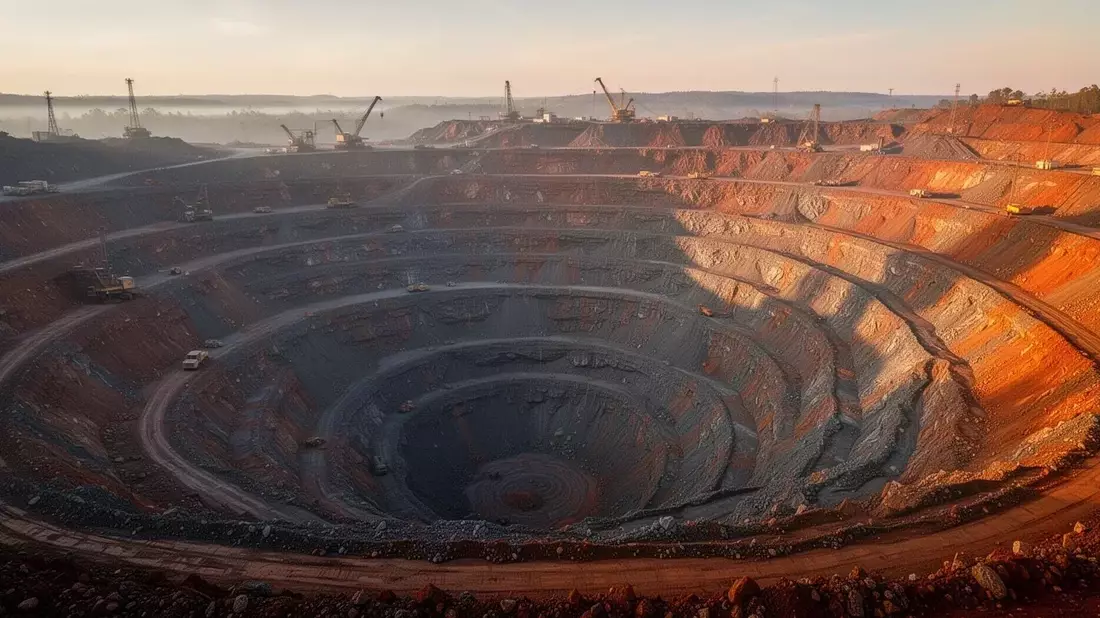
Shares in Bougainville Copper edged up 3.20 percent to €0.35 on Tuesday, but day-to-day moves offer little insight into the real forces shaping this stock. With an annualised 30-day volatility of 87 percent, the equity trades more like a lottery ticket on a complex web of political, commercial and social outcomes — all converging on a single mine in the Pacific.
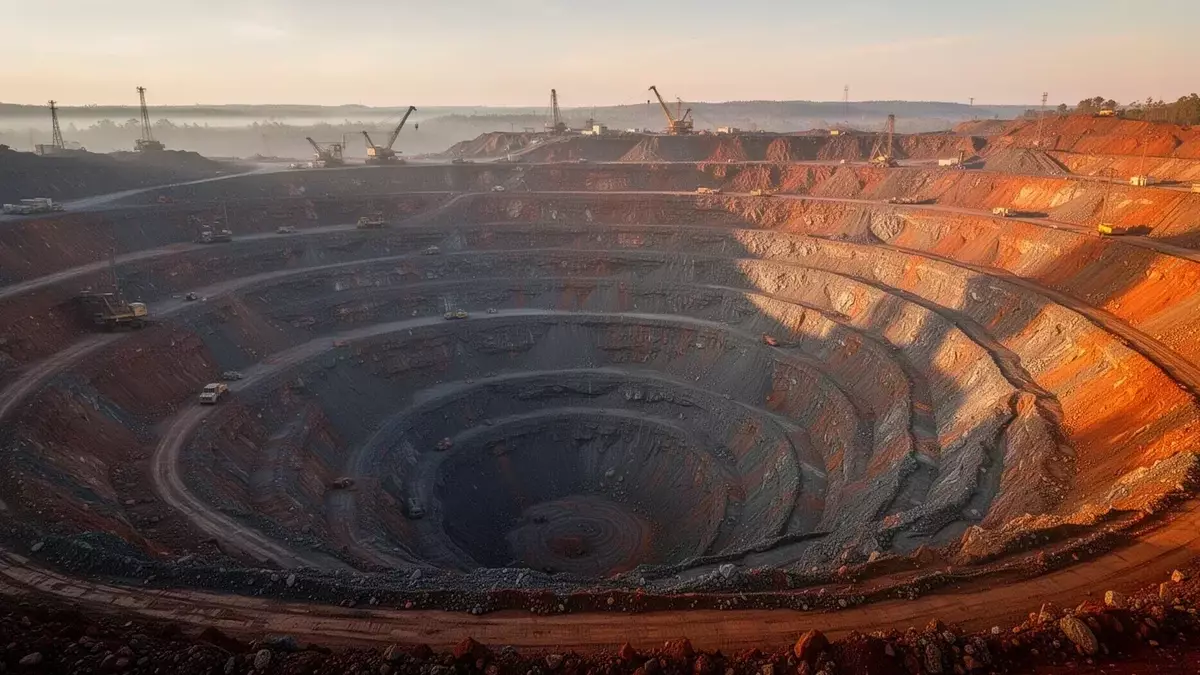
The Panguna deposit on Bougainville Island ranks among the world’s largest undeveloped copper-gold assets, with an estimated 5.3 billion tonnes of copper ore and nearly 20 million ounces of gold. At current commodity prices, that equates to roughly US$160 billion. Yet the pit has lain idle since 1989, when Rio Tinto shut it down amid local protests that spiralled into a civil war claiming up to 20,000 lives.
Two distinct timelines now dictate Bougainville Copper’s trajectory. On the political front, Papua New Guinea’s National Parliament has formally begun the ratification process for Bougainville’s independence. A cross-party committee delivered its consultation report on 2 June, triggering debate. Prime Minister James Marape proposed that lawmakers must vote by 30 August 2026 — a deadline that adds a clear countdown to an already delicate negotiation. The 2019 referendum saw 97.7 percent of Bougainvilleans vote for independence, but the result is non-binding; the National Parliament holds the final say.
The parliamentary debate has been anything but smooth. Tourism Minister Belden Namah, a veteran of the Bougainville conflict, urged rejection of ratification, arguing the Autonomous Bougainville Government (ABG) has not met its weapons-disposal and governance commitments under the peace agreement. The ABG fired back: Vice-President Ezekiel Masatt called the debate “foolish and premature,” and warned that Bougainville might abandon the Melanesian Accord and explore other options if Port Moresby fails to respect the agreed process.
Should investors sell immediately? Or is it worth buying Bougainville Copper?
Running parallel to the independence timeline is a commercial one. On 8 April 2026, Bougainville Copper signed a 90-day non-binding cooperation agreement with Indian iron-ore producer Lloyds Metals and Energy, granting the company exclusive access to conduct technical and commercial due diligence on Panguna. The deal edges out the much larger Chinese state-owned CMOC Group — a decision Bougainville President Ishmael Toroama justified by saying the island’s administration did not want to dilute Panguna’s value through a Chinese equity offer. The choice underscores how geopolitical considerations now shape mining projects even on remote Pacific islands.
Lloyds has already established a PNG subsidiary and moved equipment onto the mine site. Feasibility and exploration studies are under way. But the revival faces fierce opposition from a group of traditional landowners, who have demanded an immediate halt to what they call “unauthorised entry” and activities that they say disregard their concerns. Their legal challenge represents a direct threat to the social licence needed for any reopening. Reopening the mine would require an estimated US$5–6 billion in capital expenditure.
The ownership structure of Bougainville Copper has shifted decisively. In June 2025, the PNG national government transferred its 36.45 percent stake to the ABG and the people of Bougainville, giving the ABG a 72.9 percent controlling interest. The company now effectively sits at the intersection of economic incentive and regulatory authority — the ABG is both majority shareholder and the local mining regulator.
Bougainville Copper at a turning point? This analysis reveals what investors need to know now.
Financially, Bougainville Copper generates zero revenue and pays no dividends. It is debt-free and says it can cover its 2026 operating expenses from its own cash. With a market capitalisation of around €85 million and a relative strength index of 38.7, the stock is technically near oversold territory. But technicals offer little comfort when the asset’s value rests entirely on a mine that has been frozen for decades, a political deadline that stokes tension between Port Moresby and Bougainville, and landowner grievances that have already sparked one war. The August 2026 vote will determine whether the political framework for mine development can hold — or whether the conflict escalates anew.
Ad
Bougainville Copper Stock: New Analysis - 11 June
Fresh Bougainville Copper information released. What's the impact for investors? Our latest independent report examines recent figures and market trends.