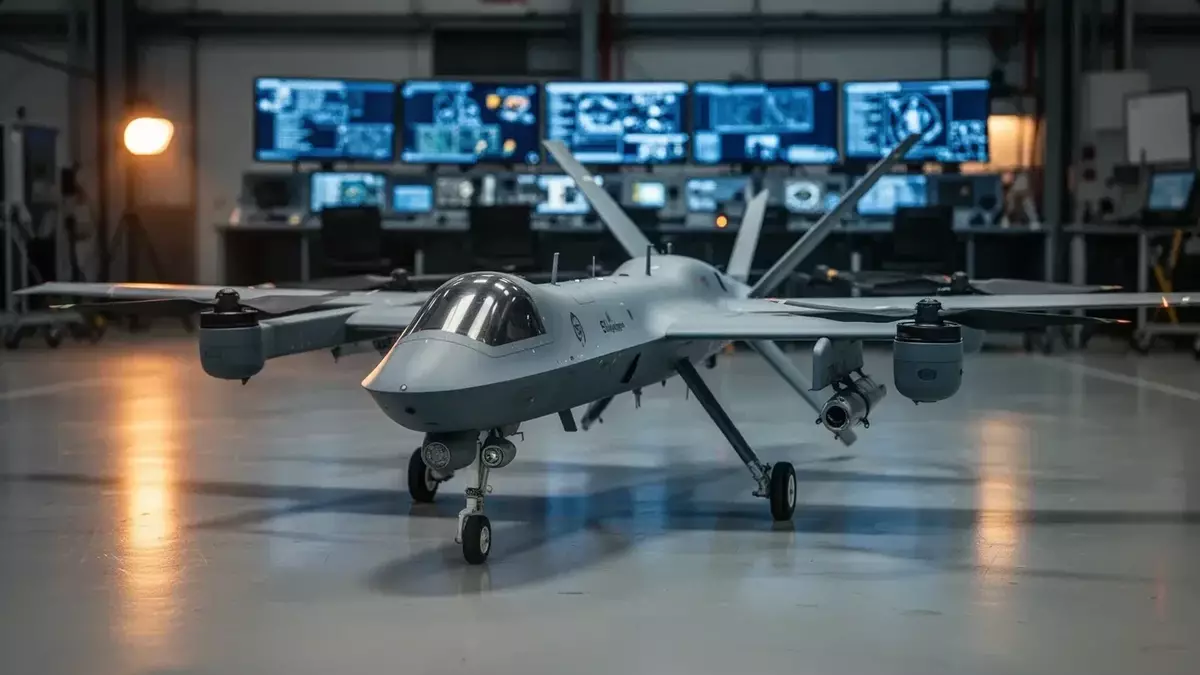
DroneShield: The Bull Case Is Stronger Than Ever – So Why Is the Stock Stuck in a Rut?
11.06.2026 - 20:44:11 | boerse-global.de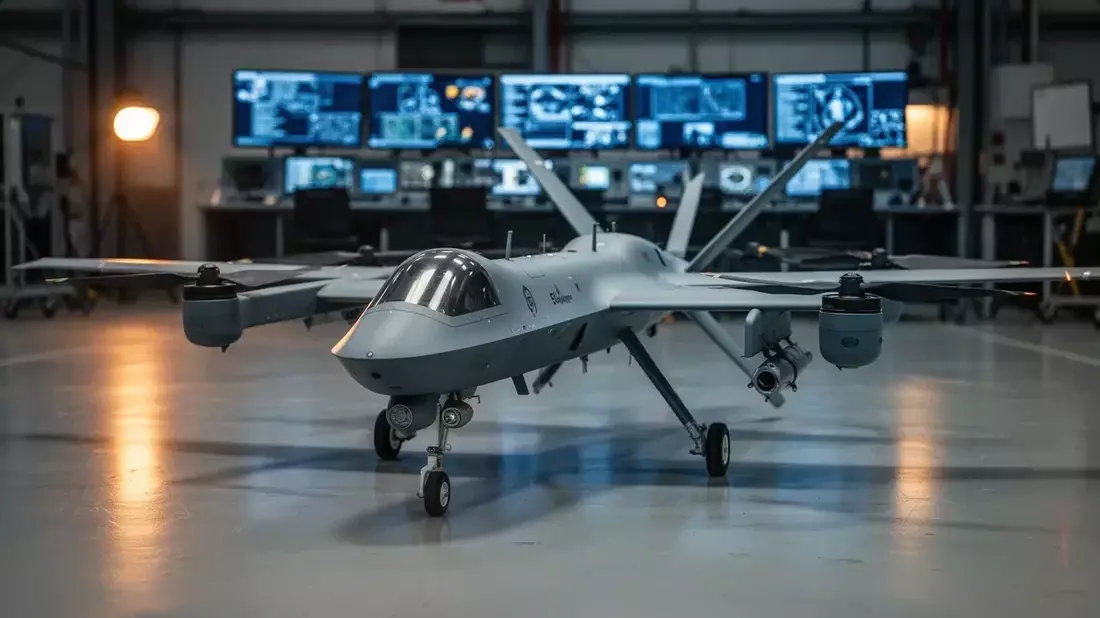
DroneShield has never had a better story to tell. The counter-drone specialist just landed a $24.9 million contract with the US Department of Defense’s Joint Interagency Task Force 401, first-quarter customer payments soared 360% to A$77.4 million, and revenue jumped 121% to A$74.1 million. The global market for anti-drone systems is projected to more than triple from US$6.6 billion in 2025 to US$20.3 billion by 2030, growing at a 25% annual clip. The Pentagon has requested US$3.1 billion specifically for counter-UAS in fiscal 2026, and next year’s FIFA World Cup will serve as a live showcase, with US$115 million of a US$365 million security package earmarked for drone programmes in and around stadiums.
Yet the stock sits at around €1.68 on the European exchange – roughly 54% below its 52-week high. The 12-month gain still stands at a respectable 84%, but the trajectory has been downward for months. A brief 6.6% spike following the latest Iran-related geopolitical jitters failed to break the trend. Something is clearly holding the shares back.
That something is a governance cloud that refuses to dissipate. Australia’s securities regulator, ASIC, is investigating DroneShield’s disclosure practices. The probe centres on a November 2025 announcement that touted US government contracts worth roughly A$7.6 million – only to be retracted days later. The regulator is examining whether the release was delayed and whether share sales by executives between 6 and 12 November breached corporate law. In a move that raised eyebrows across the market, former CEO Oleg Vornik and former chairman Peter James sold their entire holdings near the stock’s peak, with combined insider sales estimated between A$67 million and A$70 million.
Should investors sell immediately? Or is it worth buying DroneShield?
The shareholder backlash was swift. At the annual general meeting, 48% of votes cast opposed the remuneration report – a “first strike” under Australian rules – while 43% rejected a share option package for newly appointed CEO Angus Bean. Peter James left the board on 29 May 2026. Two days after the JIATF-401 deal was announced, a major shareholder disclosed that its stake had fallen below the 5% reporting threshold.
Institutional buyers are understandably cautious. The stock now trades roughly 19% below its 50-day moving average, and the relative strength index has slipped to 33.2, deep into oversold territory. Analysts have maintained a mixed view, with price targets on the Australian-listed shares ranging from A$2.28 to A$4.80. The majority recommendation is “hold” – a verdict that reflects the tension between a booming order book and an unresolved regulatory overhang.
Financially, the company is in solid shape. DroneShield holds A$223 million in cash with no debt, and management plans to expand manufacturing capacity from A$500 million to A$2.4 billion by the end of 2026. The structural tailwinds from conflicts in Ukraine, the Middle East, and the growing seriousness with which Western governments treat drone threats are as strong as any in the defence sector. The annual revenue run rate has already climbed to A$227 million.
But none of that seems to matter until the ASIC investigation takes clearer shape. The market is effectively applying a governance discount that neutralises every positive headline. The next major test will be the half-year report, due in coming weeks, which will show whether the swelling backlog is translating into earnings quality. Barring a swift resolution to the regulatory inquiry, any recovery in the share price is likely to meet resistance – no matter how full the pipeline gets.
Ad
DroneShield Stock: New Analysis - 11 June
Fresh DroneShield information released. What's the impact for investors? Our latest independent report examines recent figures and market trends.