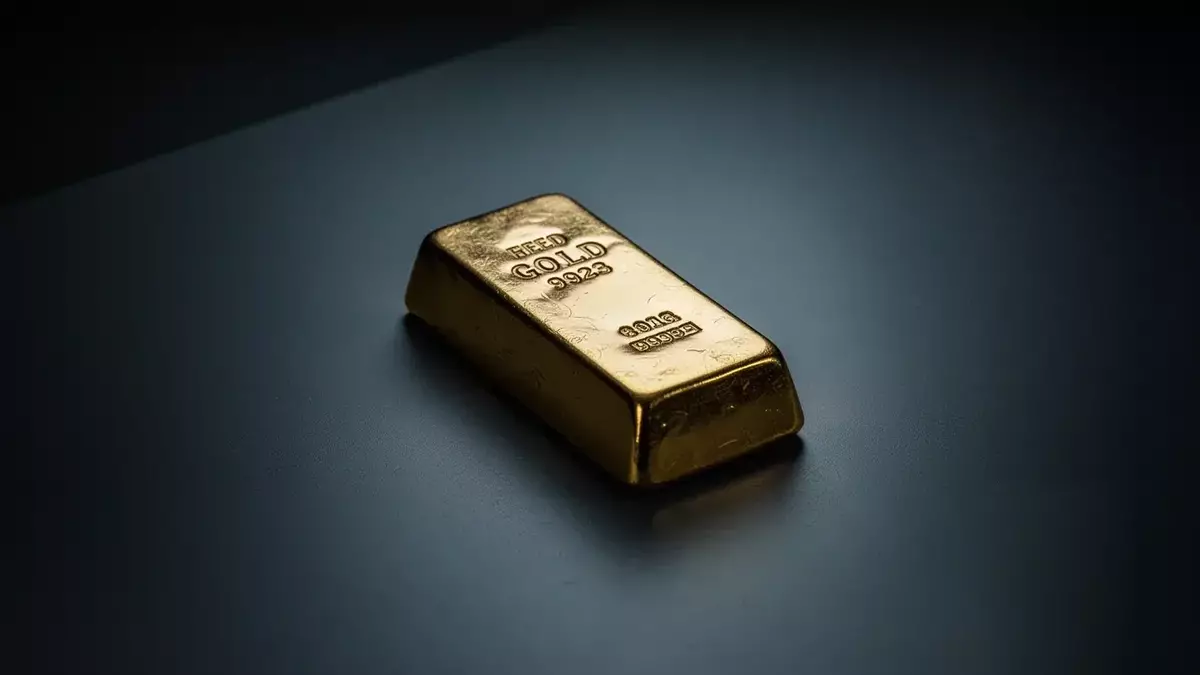
Gold's 9% Weekly Rout Exposes a New Dynamic: Geopolitics Fuel Inflation, Not Haven Demand
11.06.2026 - 13:43:09 | boerse-global.de
The safe-haven playbook has been rewritten. US airstrikes on Iran would normally send gold soaring — but this time they triggered a cascade that pushed the yellow metal to its worst week in months. The culprit: higher oil prices stoking inflation, which in turn raises the spectre of tighter Federal Reserve policy.
Spot gold tumbled roughly 9% over the past five sessions, settling near $4,113 an ounce on Wednesday. That’s the lowest close since March 23 and puts bullion some 27% below the January all-time high. The relative strength index has sunk to 25.7, firmly in oversold territory, signalling that the sell-off may be overdone from a technical perspective — but the macro headwinds show no sign of easing.
Inflation Data Reshapes the Rate Outlook
The catalyst for the latest leg lower came on June 10, when the Bureau of Labor Statistics reported that the Consumer Price Index accelerated to 4.2% year-on-year — its fastest pace since April 2023. Energy costs surged 23.5% on the same basis, accounting for more than 60% of the monthly increase. Core CPI, excluding food and energy, rose a more modest 2.9% annually, but that offered little comfort.
What really shattered the dovish narrative was the May jobs report, released a few days earlier. Payrolls grew by 172,000, more than double the consensus estimate of 80,000. Markets repriced aggressively: the probability of a Fed rate hike in December jumped to 70% on the CME FedWatch tool. Goldman Sachs scrapped all rate cuts from its 2026 forecast and pushed the next two moves to June and December 2027.
Should investors sell immediately? Or is it worth buying Gold?
Real Yields Deliver the Knockout Punch
Gold’s vulnerability lies in its zero-yield nature. As nominal yields climb and inflation remains sticky, real rates rise — making bullion less attractive compared to interest-bearing assets. The metal has now breached its 200-day moving average for the first time since October 2023, a bearish technical signal that amplifies the selling pressure.
The secondary article highlights a rare dynamic: geopolitical tensions in the Middle East typically burnish gold’s safe-haven credentials. But this time the oil-price channel dominates. Higher crude feeds inflation, inflation raises rate expectations, and those expectations strengthen the dollar — each step a direct headwind for gold. All four factors aligned against the metal on Wednesday alone, overwhelming any residual crisis premium. A brief respite on Tuesday, when oil dipped and tensions seemed to ease, proved fleeting.
Central Banks Keep Buying — But It’s Not Enough
Despite the rout, the structural underpinning from official-sector demand remains intact. Central banks added a net 244 tonnes of gold in the first quarter of 2026, exceeding both the previous quarter and the five-year average. Poland led the charge, lifting reserves by 31 tonnes to 582 tonnes, with a stated target of 700 tonnes. China continued its 19-month buying streak with a further 9.95 tonnes in May.
Total first-quarter demand came in at 1,231 tonnes, up 2% year-on-year, while the quarterly demand value jumped 74% to a record $193 billion — a reflection of the lofty prices earlier in the year. The World Gold Council still expects central bank purchases to land between 700 and 900 tonnes for the full year, a floor that should prevent a total collapse even if investor appetite wanes.
Jewelry Demand Crumbles, Analysts Stand Firm
The price pain is not universal. The jewelry sector suffered a 23% drop in demand to 335 tonnes in the first quarter, with China off 32%, India down 18%, and the Middle East falling 23%. High prices have clearly dented consumer buying.
Gold at a turning point? This analysis reveals what investors need to know now.
Yet sell-side forecasts remain remarkably bullish. Goldman Sachs maintains a year-end target of $5,400 — roughly 29% above current levels — citing central-bank buying as a structural support that justifies an unchanged price outlook even after the Fed pivot was erased. J.P. Morgan, however, flags a key risk: if economic growth and employment stay robust while inflation persists, a new rate-hiking cycle could gradually erode investment demand.
The Next Catalyst
All eyes are now on the June CPI release due July 14. Until then, gold will remain hostage to the daily interplay of oil prices, the dollar, and shifting rate expectations. The critical question is whether the energy-driven spike in headline inflation starts to bleed into core measures. If it does, the Fed’s resolve to hold rates steady — or hike — will only harden, keeping the pressure on bullion. For now, the old rules of crisis-driven gold rallies have been suspended. A new, more uncomfortable logic is in charge.
Ad
Gold Stock: New Analysis - 11 June
Fresh Gold information released. What's the impact for investors? Our latest independent report examines recent figures and market trends.